Enterprise Phytochemical Potency Validation, NHP/Site Licensing Compliance, and Multi-Omics Active Ingredient Standardization Engineered for Ontario’s Life Sciences Corridor.
Accelerate Natural Health Product (NHP) clinical filings through validated bio-potency mapping, seasonal active screening, and GLP-compliant in-vivo pharmacology.


A technical breakdown of regulatory friction points, bio-potency variability, and the shift from commoditized botanical trading to integrated CRO/CDMO validation.
Toronto represents North America’s second-largest food and health innovation cluster, stretching across Mississauga, Markham, and downtown’s MaRS Discovery District. Ontario nutraceutical and biomedical enterprises face rigorous enforcement under Health Canada's Natural Health Products Regulations (NHPR). Sourcing unstandardized botanical ingredients frequently leads to regulatory hold-ups, micro-contamination seizures, or batch rejections due to batch-to-batch active titer variance. Modern GTA brands demand ODM partners who possess verifiable laboratory instrumentation to prove NHP monograph compliance prior to export.
Global botanical supply chains are compromised by severe climate shifts, soil depletion, and adulteration risks. Synthetic spikes in standardized extracts (e.g., adulterated Ginkgo biloba flavonoids or low-grade Curcuminoid fractions) create massive brand liability. Modern enterprise procurement has pivoted from "lowest-cost-per-kilogram" buying to integrated ODM/CDMO partnerships that perform multi-origin genomic identification, stable isotope analysis, and year-over-year harvest potency evaluations at point of origin.
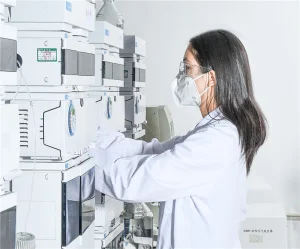
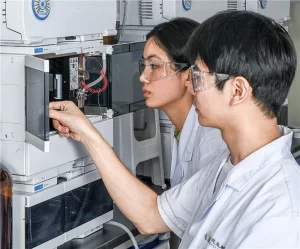
Basic UV-Vis spectrophotometry is no longer sufficient for institutional procurement. Premium ODM programs evaluate botanical raw materials using High-Performance Liquid Chromatography (HPLC-DAD-MS/MS), High-Performance Thin-Layer Chromatography (HPTLC) fingerprinting, and Gas Chromatography-Mass Spectrometry (GC-MS). This guarantees exact quantification of non-polar volatiles, phenolic structures, and macromolecular polysaccharides while monitoring residual agricultural chemicals, heavy metals, and polycyclic aromatic hydrocarbons (PAHs).
| Evaluation Parameter | Commodity Ingredient Sourcing | MedGence ODM Analytical Framework (Toronto Spec) | Impact on Regulatory Licensing |
|---|---|---|---|
| Taxonomic Identification | Macro visual inspection, basic morphology | HPTLC fingerprinting + ITS2 DNA barcoding | Eliminates species adulteration per NPN guidelines |
| Active Potency Titer | Generic assay (often non-specific UV) | Quantified HPLC/UPLC isomeric resolution | Guarantees label claims throughout shelf-life stability |
| Harvest Phenology Studies | Unmonitored bulk commodity harvesting | Four-season potency mapping & terroir screening | Optimizes extraction yield & lowers active ingredient cost |
| Preclinical Evidence Package | Generic academic literature citations | Product-specific In Vitro & GLP animal toxicology | Substantiates novel claims with Health Canada Class III reviews |
A fully integrated pathway designed to minimize technology transfer risks and accelerate product entry into North American commercial distribution.
Phytochemical density changes dynamically based on soil composition, solar incidence, altitude, and harvest stage. Our teams perform seasonal potency charting across diverse cultivation regions. We isolate the precise temporal window and plant organ (rhizome, rootlet, leaf, or seed) yielding maximum bioactive fractions, slashing raw botanical input consumption by up to 34%.
Preserving heat-sensitive phytochemicals demands advanced extraction protocols. We model and refine supercritical CO2, ultrasonic-assisted, and multi-stage countercurrent hydro-ethanolic extraction processes. Membrane ultrafiltration and targeted macroporous resin adsorption isolate active constituents while purging pesticide residues, polyphenolic polymers, and inorganic salts.
Toronto manufacturers launching products across Canada and the US require full compliance traceability. Our ODM evaluation generates comprehensive chemistry, manufacturing, and controls (CMC) documentation packages, ICH stability testing results, Certificate of Analysis (CoA) release criteria, and validated analytical test methods ready for seamless submission.
Bridging millennia of classic botanical documentation with modern, high-precision industrial pharmacological chemistry.
Direct technical clarifications addressing regulatory validation, intellectual property confidentiality, and analytical testing methodologies.
Health Canada mandates precise identification, chemical assay potency, and strict heavy metal, mycotoxin, and solvent contamination limits for any Natural Product Number (NPN) submission. Our evaluation reports provide validated chromatographic fingerprints (HPLC/HPTLC), pesticide residual assays, and toxicology packages that directly populate your Summary of Technical Data (STD) or novel application files.
Phytochemical active compounds (e.g., ginsenosides, berberine, artemisinin) can fluctuate by over 300% depending on soil mineralogy and harvest timing. Unmonitored materials create significant finished-product inconsistency. By profiling multiple origin lots across spring, summer, and autumn crops, we establish optimized procurement bands that maintain formulation bioactivity at consistent production costs.
We operate strictly under internationally enforceable Non-Disclosure Agreements (NDAs) and custom CRO contract frameworks. Your exclusive formulas, target indications, extraction parameters, and downstream clinical trial endpoints remain your exclusive property. R&D assets and data generated are never licensed or disclosed to third parties.
Yes. MedGence maintains in-house pilot laboratories and manages dedicated commercial cGMP-compliant extraction and packaging plants. We provide a single-source solution that eliminates the typical information gap between benchtop R&D and commercial output, delivering active ingredients as powders, liquids, softgels, capsules, and tablets.
Explore our comprehensive lineup of botanical active ingredient services, analytical protocols, preclinical models, and clinical research capabilities.