

China Screening of the Active Ingredient(s) of Plants Manufacturer, Manufacturers
Explore Specification
Immediate enterprise access to high-purity phytochemical identification, potency evaluation, in vitro platforms, and regulatory dossiers.





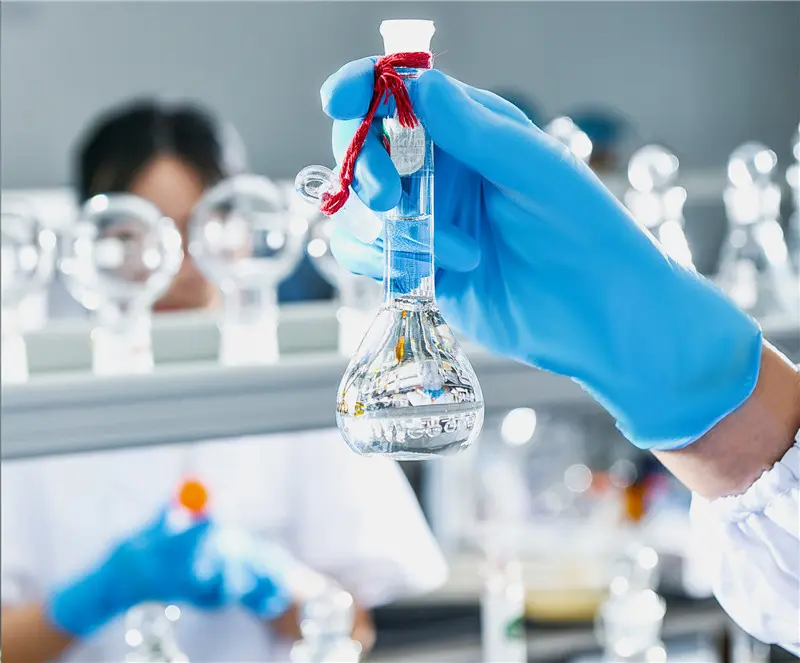
Quantifying global therapeutic transitions, secondary metabolite standardizations, and the convergence of Traditional Chinese Medicine (TCM) with modern biopharma.
The contemporary pharmaceutical, nutraceutical, and cosmetic sectors are navigating a structural shift toward standardized, plant-derived molecular entities. As chemical combinatorial synthesis experiences diminishing marginal discovery rates, high-throughput active ingredient screening has re-emerged as the primary engine for novel scaffold identification. Globally, the bioactive botanical extraction and functional discovery market has exceeded USD 38.5 Billion, expanding at a CAGR of 8.9%. This trajectory is fueled by strict regulatory pressures demanding reproducible analytical fingerprints and definitive bio-equivalence.
However, extracting consistent therapeutic or functional efficacy from botanical matrices poses complex challenges. Plant secondary metabolomes—including saponins, flavonoids, terpenoids, alkaloids, and polyphenols—exhibit intense chemical fluctuations influenced by microclimatic geography (terroir), seasonal timing, harvest techniques, and post-harvest stabilization. Without rigorous bioassay-guided fractionation and chromatographic fingerprinting (HPLC, HPTLC, GC-MS), manufacturers encounter unacceptable batch variance. MedGence acts as an integrated CRO and CDMO bridgehead, transforming unpredictable raw botanical variance into reproducible, validated, and regulatory-ready finished formulations.
Combining phenotypic screening, bio-affinity ultrafiltration, and chromatography to de-risk botanical product development.
Deploying surface plasmon resonance (SPR) coupled with LC-MS to isolate active ligands directly from crude plant mixtures. This replaces blind chemical separation with affinity-driven bio-discovery, shrinking discovery cycles from years to months.
Botanicals harvested across divergent ecological regions exhibit marked phenotypic variances. Our matrix evaluations establish quantitative chemical fingerprints, ensuring procurement parameters capture peak therapeutic density.
Formulating strict quantitative assay frameworks leveraging HPTLC, HPLC-DAD, and GC-MS. We set reproducible multi-component release parameters complying with USP, EP, and ChP international pharmacopeias.
Multi-origin botanical sample acquisition, taxonomical confirmation, and environmental terroir benchmarking.
Supercritical CO2, enzymatic extraction, and solvent fractionation paired with untargeted metabolomic fingerprinting.
In vitro cellular profiling, enzymatic inhibition modeling, and acute/chronic LD50 toxicology qualification.
Pilot-to-commercial GMP transition, producing dry powders, concentrated pastes, volatile oils, or finished dosages.
Tailored operational paths for enterprise partners seeking regulatory clarity, supply consistency, and proprietary IP creation.
For biopharma organizations developing botanical new drug entities (NDAs). We deliver end-to-end preclinical portfolios: active monomer isolation, molecular docking, GLP toxicology, and Phase I–IV clinical study execution across 100+ hospital networks.
Resolving market commoditization with validated botanical claims. We formulate standardized extracts with quantified bioactive compounds (polysaccharides, ginsenosides, flavonoids), backed by human clinical evidence for North American and European markets.
Engineered clean-label phytocompounds targeting cellular renewal, tyrosinase inhibition, and barrier reinforcement. Comprehensive safety packages include human patch testing, cytotoxicity panels, and organotypic skin models.
In-depth technical answers addressing methodology, quality assurance, intellectual property, and contract terms.
Select a screening program, analytical validation package, or clinical trial model to initiate your contract development.