Explore our validated contract testing platforms engineered for botanical active ingredient screening, potency quantification, toxicity assessment, and full-spectrum regulatory dossiers.






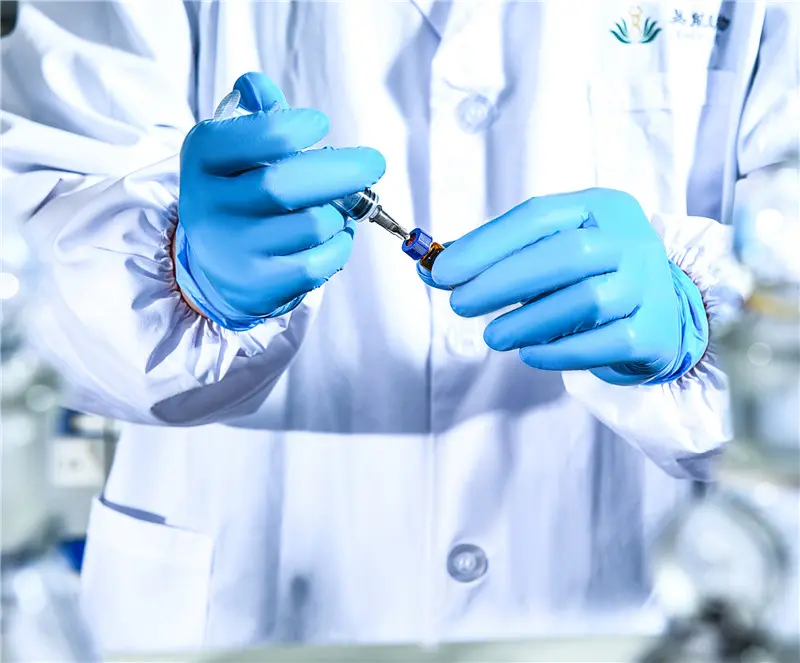
In modern biopharmaceutical development, the transition from empirical herbal knowledge to regulatory-grade botanical medicine hinges upon reproducible, physiologically predictive in vitro testing systems.
Traditional two-dimensional in vitro assays frequently fall short when quantifying the pharmacodynamics of complex multi-constituent plant fractions. Monolayer cell systems lack physiological cell-matrix interactions, resulting in altered gene expression profiles and misleading cytotoxicity profiles.
MedGence deploys three-dimensional spheroid and organoid models (hepatic, intestinal, and dermal) that reconstruct tissue-level architecture, enabling drug hunters to characterize the true biological activity of botanical actives with unmatched in vivo translational correlation.
Botanical extracts present high-dimensional analytical complexity, containing dozens of secondary metabolites that act via network pharmacology. Determining whether therapeutic efficacy stems from a single active pharmaceutical ingredient (API) or synergistic multi-target polypharmacology is a formidable regulatory hurdle.
Our in vitro screening platform integrates high-throughput biofractionation with automated reporter gene assays and high-content phenotypic profiling, isolating specific mechanisms of action (MOAs) and mitigating interference from non-specific pan-assay interference compounds (PAINS).
Early-stage attrition in clinical trials due to off-target hepatotoxicity, cardiotoxicity, or mutagenicity costs pharmaceutical developers millions. Conventional non-GLP cytotoxicity assays (such as basic MTT) fail to distinguish between transient cytostatic effects and irreversible necrotic cell death.
We deploy multiplexed in vitro toxicological batteries: LDH membrane leakage, ATP bioluminescence, mitochondrial membrane potential (JC-1), in vitro micronucleus assays (OECD 487), and real-time cellular impedance monitoring to establish robust early safety margins.
“The integrity of botanical active discovery rests upon empirical repeatability. By standardizing high-content cellular imaging, human primary cell cultures, and chromatographic fingerprinting within our testing pipelines, we provide global life-sciences innovators with conclusive data packages that satisfy FDA, EMA, and NMPA regulatory scrutiny.” — MedGence Scientific Directorate
Biopharmaceutical, nutraceutical, and multinational cosmetic procurement officers face tightening international standards and demand reliable contract research organizations capable of turnkey data delivery.
The codification of the FDA Modernization Act 2.0 has eliminated the mandatory requirement of animal testing prior to human clinical trials, elevating Qualified Alternative Methods (QAMs) and New Approach Methodologies (NAMs). Enterprise buyers increasingly prioritize CRO suppliers equipped with advanced microphysiological systems (MPS), human primary cell platforms, and validated in vitro efficacy models that satisfy IND-enabling filings without animal attrition.
Time-to-market pressure is acute in dietary supplement innovation and competitive cosmetics formulation. Enterprise procurement mandates CRO partners capable of rapid compound intake, standard curve calibration, and automated 96/384-well plate robotic screening, delivering comprehensive screening readouts within 10 to 15 working days while maintaining full data audit trails.
Natural raw materials fluctuate drastically across cultivars, altitudes, harvest seasons, and processing techniques. Enterprise clients require testing providers capable of bridging biological in vitro performance with quantitative analytical chemistry (HPLC, HPTLC, GC-MS), ensuring that active biomarkers remain consistent across commercial production batches.
Outsourcing novel botanical isolation and proprietary drug formulations requires rigorous IP protection mechanisms. Global manufacturers partner with contract research facilities operating under strict bi-lateral Non-Disclosure Agreements (NDAs), air-gapped data management, and absolute exclusion of cross-client data contamination.
Bridging target-based screening, cellular phenotyping, and toxicological validation across human therapeutics, wellness supplements, and personal care.
| Target Therapeutic Area | Validated In Vitro Cell & Tissue Models | Key Biomarkers & Quantitative Readouts | Target Applications |
|---|---|---|---|
| Metabolic & Glycemic Regulation | HepG2 hepatocytes, 3T3-L1 adipocytes, C2C12 skeletal muscle cells, pancreatic β-cell lines (INS-1E) | Glucose uptake (2-NBDG fluorescence), GLUT4 translocation, AMPK phosphorylation, lipid accumulation (Oil Red O), insulin secretion index | Anti-Diabetic Botanicals Weight Management |
| Immune Modulation & Anti-Inflammatory | RAW 264.7 murine macrophages, human peripheral blood mononuclear cells (PBMCs), THP-1 monocytes | Inhibition of NO synthesis (Griess assay), NF-κB luciferase reporter, cytokine multiplexing (TNF-α, IL-6, IL-1β, IL-10 via ELISA), COX-2 expression | Autoimmune Therapies Functional Nutrition |
| In Vitro Dermal Permeability & Anti-Aging | Reconstructed human epidermis (RhE) EpiDerm™, HaCaT keratinocytes, primary human dermal fibroblasts (HDF) | Type I & III collagen synthesis, elastase inhibition, matrix metalloproteinases (MMP-1, MMP-9), transepithelial electrical resistance (TEER) | Cosmeceuticals Topical Dermatology |
| In Vitro ADME & Intestinal Absorption | Caco-2 human epithelial colorectal adenocarcinoma monolayers, primary human hepatocytes (cryopreserved) | Apparent permeability coefficient (Papp A-to-B / B-to-A), efflux ratio (P-glycoprotein transport), CYP3A4 / CYP2D6 inhibition/induction kinetics | Oral Bioavailability Herbal Drug Interactions |
| Cellular Safety & Genetic Toxicology | V79 Chinese hamster lung fibroblasts, TK6 human lymphoblastoid cells, human primary cardiomyocytes (iPSC-derived) | In vitro mammalian chromosomal aberration, micronucleus induction (OECD 487), hERG potassium channel blockade (patch clamp), cell viability (LDH/ATP) | IND Safety Filing GRAS Dossier Validation |
Navigating global compliance frameworks with auditable quality management systems, localized technical liaison, and seamless international biological logistics.
Our laboratories adhere to GLP guidelines and OECD test standards (e.g., OECD 431 for skin corrosion, OECD 439 for skin irritation, OECD 442C/D/E for skin sensitization). Study directors generate fully auditable data documentation, raw instrumental traces, and formal validation reports that satisfy pre-market clearance authorities in North America, Europe, and the Asia-Pacific region.
Handling international biological material transfer requires strict adherence to customs regulations, CITES guidelines for rare botanical specimens, and temperature-controlled cold chains. MedGence maintains validated -80°C and liquid nitrogen shipping logistics protocols, ensuring that plant matrices, active phytocompounds, and biological assay samples retain 100% bio-potency upon arrival.
Say goodbye to communication bottlenecks. Every enterprise project is assigned a designated Senior Study Director holding a Ph.D. in Pharmacology, Phytochemistry, or Cellular Biology. From initial protocol drafting and assay optimization to statistical interpretation and final dossier sign-off, our technical liaisons deliver clear, bi-weekly progress debriefs aligned with your time zone.
How artificial intelligence, microfluidic bioengineering, and high-dimensional multi-omics are converging to redefine contract research.
By 2026, MedGence is expanding microfluidic biochip integration that interconnects gut epithelium (Caco-2), metabolic liver (HepaRG), and functional target tissue chambers via dynamic micro-channels. This multi-organ setup simulates human systemic pharmacokinetics, capturing first-pass hepatic metabolism and secondary metabolite biological cascades before in vivo clinical deployment.
Merging automated confocal laser scanning with deep learning computer vision algorithms enables real-time sub-cellular phenotype segmentation. Our machine-learning engines analyze subtle mitochondrial alterations, cytoskeletal rearrangements, and chromatin condensation patterns across thousands of herbal fractions simultaneously, identifying therapeutic signatures within hours.
Deploying human induced pluripotent stem cells (iPSCs) differentiated into specialized cardiomyocytes, cortical neurons, and pancreatic islet clusters. This technology allows pharmaceutical researchers to evaluate drug candidate efficacy directly across diverse human genetic backgrounds in vitro, drastically de-risking prospective Phase 1 clinical cohorts.
Our contract research frameworks power preclinical pipelines and clinical dossier approvals for top-tier pharmaceutical entities and leading TCM medical universities.






Detailed insights into assay methodology, regulatory acceptance, turnaround times, and contract research integration.
Seamlessly transition your discoveries from in vitro target screening and analytical validation through pilot manufacturing and clinical testing.
Connect directly with our senior study directors. Provide your target indication, botanical compound specifications, or regulatory testing timeline, and receive a customized protocol design and study quotation within 24 hours.
