Full-chain CRO execution ensuring smooth regulatory data transfer toward European Medicines Agency (EMA) and Slovak State Institute for Drug Control (ŠÚKL) authorization.

Validated rodent and non-rodent model testing adhering to OECD GLP standards for therapeutic efficacy, systemic pharmacokinetics, and chronic safety evaluation.
View Animal Study Specifications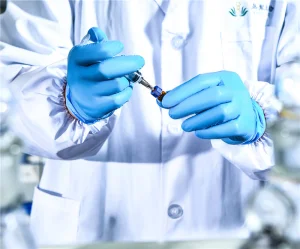
High-throughput 2D/3D cellular bioassays, membrane permeability, cytotoxicity screening, and target-receptor affinity assessments reducing early attrition.
Explore In Vitro Solutions
Disease-targeted animal modeling across oncology xenografts, metabolic syndrome, and autoimmune disorders tailored for Slovak scientific research centers.
View Study Methodologies
Robust HPLC, GC-MS, HPTLC, and chromatographic fingerprinting methodologies designed to fulfill European Pharmacopoeia (Ph. Eur.) registration dossiers.
Inspect Bioanalytical StandardsAn in-depth structural analysis of Slovakia’s pharmaceutical transition, the academic-industrial triangle, and the strategic outsourcing imperatives facing regional biopharma innovators.
The Slovak Republic has emerged as a high-value node within the Central and Eastern European (CEE) life sciences network. Anchored by prestigious research bodies such as the Biomedical Research Center of the Slovak Academy of Sciences (BMC SAV), Comenius University Science Park in Bratislava, and Pavol Jozef Šafárik University in Košice, regional sponsors are increasingly generating proprietary biologics, complex botanical isolates, and small molecule therapeutic entities.
Historically characterized by formulation and generic packaging hubs in towns like Hlohovec and Slovenská Ľupča, Slovakia is rapidly transitioning upstream into translational drug discovery. However, local infrastructure faces intense challenges: escalating costs of maintaining SPF (Specific Pathogen Free) vivarium facilities, the acute scarcity of continuous-telemetry small animal suites, and lengthy waitlists for GLP toxicological slot reservations.
Preclinical data destined for the Slovak market or European registration must withstand rigorous oversight. The State Institute for Drug Control (Štátny ústav pre kontrolu liečiv - ŠÚKL) operates in harmonized synchronization with EMA guidelines, mandating uncompromised compliance with OECD Principles of Good Laboratory Practice (GLP) and EU Directive 2010/63/EU on the protection of animals used for scientific purposes.
Slovak sponsors cannot afford ambiguities in bioanalytical traceability, data integrity, or animal ethics documentation. Global CRO partnerships bridge this barrier by executing multi-species preclinical trials under pristine GLP documentation, guaranteeing that every histopathological slice, pharmacokinetic plasma curve, and toxicokinetic metric can be seamlessly compiled into Common Technical Document (CTD) Module 4 for flawless regulatory submissions.
How the global preclinical contract research domain is merging translational fidelity with progressive ethical stewardship to accelerate IND candidates.
Global regulatory agencies (EMA, FDA, NMPA) actively demand the practical application of Replacement, Reduction, and Refinement (3Rs). Our facilities lead this transition through statistical cohort optimization, non-invasive digital imaging, and high-content physiological telemetry that extract maximal biometric parameters per animal, substantially minimizing subject counts without sacrificing statistical power.
Standard wild-type rodent assays are insufficient for targeted human oncology and rare pathologies. We utilize humanized immune-system murine models, patient-derived xenografts (PDX), and genetically engineered knockout systems. These advanced platforms mimic human physiological micro-environments with exceptional accuracy, minimizing late-stage Phase II clinical trial failures.
Modern preclinical toxicology relies on deep convolutional neural networks for automated whole-slide digital imaging and quantitative tissue morphometry. Our computational pathology pipeline detects sub-microscopic organ alterations, inflammatory infiltrates, and neurodegenerative amyloid plaque burdens with zero intra-observer variability, expediting comprehensive toxicology dossiers.
Comprehensive animal study protocols designed around the specific research interests, botanical traditions, and pharmaceutical strengths of the Slovak Republic.
| Research Domain | Specific Animal Model Applied | Primary Measured Biomarkers | Relevance to Slovak Market |
|---|---|---|---|
| Botanical Medicine & Nutraceuticals | Wistar Rats / C57BL/6J Mice (Diet-Induced Obesity & Hyperglycemia) | Insulin sensitivity, HbA1c, lipid profiles, hepatic steatosis grading | Direct validation for Central European herbal extract manufacturers developing metabolic and cardiovascular dietary supplements. |
| Oncology Therapeutics | BALB/c Nude Mice / NOD-SCID (Subcutaneous & Orthotopic Xenografts) | Tumor volume progression, apoptosis index (TUNEL), CD31 microvessel density | Critical for biotech spin-offs from SAV and Comenius University advancing novel anti-neoplastic compounds and immunotherapies. |
| Neuropharmacology & Cognition | Transgenic APP/PS1 Mice / Scopolamine-Induced Cognitive Deficit Rodents | Morris water maze latency, acetylcholinesterase activity, cortical Aβ42 levels | Targeting neurodegenerative and psychiatric therapeutics, addressing Central Europe's aging population demographics. |
| Veterinary & Agricultural Biotech | Canine, Porcine, and Bovine Surrogate Preclinical Models | Anti-microbial kinetics, systemic safety, mucosal immune response | Supporting Slovakia's active agro-veterinary research institutes in developing antibiotic-free livestock therapeutics and pet health products. |
| Dermal & Wound Healing Formulations | Full-Thickness Skin Excision Models (Sprague Dawley Rats) | Epithelialization rate, collagen deposition (Masson’s trichrome), VEGF expression | Serving Slovak cosmeceutical developers testing regional alpine herbs, mineral waters, and biopolymer hydrogels. |
A structured, sequential methodology guaranteeing zero data divergence between discovery research, in vivo animal experimentation, and clinical translation.
Initial molecular docking, target binding assays, high-content screening in primary cell cultures, and liver microsome stability profiling to confirm preliminary safety and potency before in vivo engagement.
Exploratory pharmacokinetic profiling, bio-availability determination, maximum tolerated dose (MTD) assays, and tissue distribution in small rodent cohorts to establish rigorous dose-response linearity.
Formal 28-day / 90-day repeat-dose subchronic toxicity, safety pharmacology (core battery: CNS, respiratory, cardiovascular), and disease-specific model efficacy under full GLP audit trails.
Validated LC-MS/MS bioanalysis of animal bio-fluids, comprehensive histopathology by certified veterinary pathologists, and compilation of electronic CTD Module 4 data ready for ŠÚKL submission.
For many emerging biotechnology companies across Slovakia, Hungary, Poland, and the Czech Republic (V4 region), establishing internal barrier animal facilities is financially prohibitive. A fully compliant animal facility demands massive capital expenditure, including laminar airflow vivariums, dedicated HEPA air filtration cycles, micro-isolator cages, automated sterilization units, and specialized clinical laboratory staff available 24/7. Partnering with a dedicated contract research organization provides an instantaneous leap in capability: sponsors immediately harness over 300 experienced toxicologists, verified disease animal models, and thousands of historical control database points without incurring multi-million-euro facility depreciation costs.
Ensuring cross-border acceptability, regulatory audit defense, and seamless cross-continental scientific communication.
We implement bank-grade confidentiality measures. All protocols, raw animal telemetry logs, high-resolution histology scans, and proprietary molecular structures remain strictly protected under robust non-disclosure frameworks (NDA) enforceable under international and European civil jurisdictions.
Our safety suites encompass acute oral/dermal toxicity (OECD 420/423/425), repeat-dose subacute (28-day, OECD 407), chronic bioassays (OECD 452), Ames bacterial reverse mutation tests (OECD 471), in vivo mammalian bone marrow micronucleus tests (OECD 474), and embryonic developmental toxicity screening.
Unlike standard synthetic chemistry CROs, our scientists possess decades of specialized expertise investigating multi-component botanical matrices, Traditional Medicine decoctions, and synergistic phytochemical cocktails, decoupling compound complexity through chromatographic fingerprinting prior to in vivo testing.
Direct technical responses addressing regulatory acceptance, animal welfare, customs logistics, and bioanalytical integrity.
Explore our complete spectrum of preclinical contract services supporting Slovak biopharma and phytomedicine programs from early active screening to late-stage validation.
Comprehensive pharmacodynamic and toxicology validation in controlled in vivo models designed to establish safety margins and regulatory compliance.
View Animal Study Details
Cellular toxicology, biochemical receptor affinity, enzyme inhibition, and high-throughput cell-based bioassays minimizing development risk.
View In Vitro Details
Repeated-dose toxicity, safety pharmacology, and pharmacokinetic profiling conforming to European regulatory submission dossiers.
View Toxicology Protocols
Custom HPLC, LC-MS/MS, GC, and chromatographic fingerprint method establishment according to ICH Q2(R1) regulatory guidelines.
View Analysis Methods
Evaluating potency across harvest origins, seasons, and plant organs to lock in standardized raw material batches for commercial scaling.
View Potency Evaluation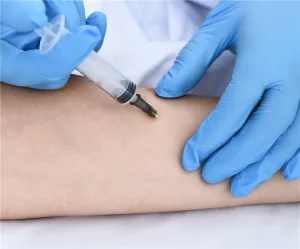
GCP-compliant small-group nutritional trials, bioequivalence, and multi-center clinical trials fulfilling international registration criteria.
View Clinical Phase Services
High-throughput separation and bio-guided fractionation to isolate novel bioactive lead molecules from terrestrial flora.
View Screening Capabilities
Coordinated multi-phase in vivo toxicology, pharmacokinetic mapping, and efficacy programs backed by rigorous OECD GLP reporting.
Inquire Full Study PackageConnect directly with our senior study directors and toxicologists to establish protocol scopes, statistical cohort designs, and preliminary quotes fully compliant with OECD GLP and EU Directive standards.