Explore our core clinical pharmacology, botanical standardization, and preclinical study modules designed for seamless IND and NDA filings worldwide.






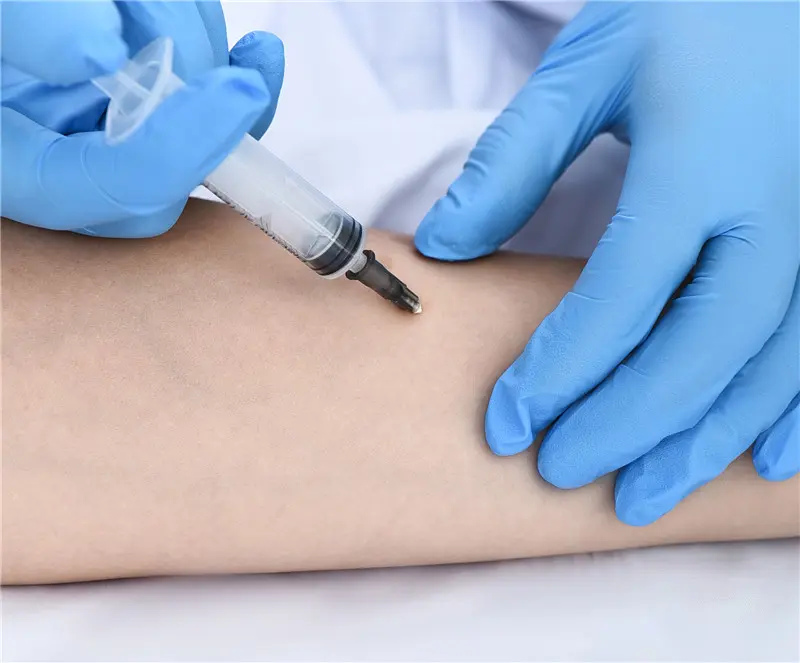

Modern translational medicine requires seamless bridge building between preclinical phytochemical identification, multi-omic bioanalytics, and early human clinical tolerability.
The transition from preclinical research to clinical Phase I trials represents the most critical hurdle in therapeutic commercialization—the proverbial "translational valley of death". Phase I trials are no longer merely observational safety assessments; they are dynamic, biomarker-guided investigations designed to establish Maximum Tolerated Dose (MTD), Dose-Limiting Toxicities (DLTs), pharmacokinetics (PK), and pharmacodynamics (PD).
MedGence (Yineng Pharma) converges over 14 years of rigorous botanical and natural chemical R&D with modern GCP-compliant clinical infrastructure, delivering an integrated translational framework that de-risks capital allocation for pharmaceutical and life-science sponsors globally.
Traditional static clinical protocols are rapidly being supplanted by adaptive designs that merge Single Ascending Dose (SAD) and Multiple Ascending Dose (MAD) cohorts with concurrent food-effect and bioequivalence evaluations.
By leveraging continuous interim PK/PD modeling and real-time electronic data capture (EDC), our technical teams enable trial sponsors to modify dose escalation increments safely and dynamically. This systematic design significantly contracts exploratory timelines while maintaining uncompromised safety compliance with FDA 21 CFR Part 312 and ICH E6(R2) standards.
Unlike single synthetic chemical entities, natural botanical drug candidates and complex phytochemical formulations present profound analytical and bioequivalence challenges. Minor shifts in harvest season, geographic terroir, or extraction parameters can alter multi-component synergistic fractions.
Our CRO/CDMO platform resolves this variance by establishing full chromatographic fingerprints (HPTLC, HPLC-MS/MS, GC-FID) before entering the clinic, ensuring clinical batches match the exact chemical specifications approved in IND submissions.
Combining high-throughput digital extraction plants with hospital-affiliated Phase I clinical trial centers to eliminate fragmented contract handoffs.
The production of Investigational Medicinal Products (IMPs) and clinical trial supplies requires absolute physical, chemical, and microbiological uniformity. MedGence’s pilot plants and integrated manufacturing facilities operate under stringent GMP and Pharma 4.0 principles.
Automated feedback-control loops regulate critical process parameters (CPPs)—such as countercurrent supercritical extraction pressure, resin column elution speeds, multi-stage membrane concentration, and low-temperature vacuum drying. By continuously recording these variables into digital batch records, we virtually eliminate lot-to-lot variance.
This closed-loop automated system ensures that materials tested in preclinical animal toxicology studies are indistinguishable from the cGMP clinical batches administered to human cohorts in Phase I clinical facilities.
Supply disruptions can stall early clinical trials, incurring crippling burn rates for clinical-stage biotechs. China’s bio-cluster ecosystem, augmented by MedGence’s established regional networks in Hunan and partner provinces, provides unparalleled vertical integration.
We manage source raw materials through Good Agricultural and Collection Practices (GACP). Every botanical harvest undergoes quantitative marker evaluation across multiple seasons and altitudes.
By controlling the vertical supply chain from raw germplasm to purified Active Pharmaceutical Ingredients (APIs) and finished clinical dosage forms (capsules, tablets, oral liquids, sterile injectables), we provide global procurement executives with predictable delivery lead times and full traceability.
Years of End-to-End Natural Medicine & Clinical R&D
Scientific & Bioanalytical Researchers Across Divisions
Classic TCM Prescriptions Modernized with Fingerprint Data
Single-Herb Quality Standards & Process Dossiers Established
What multinational pharmaceutical procurement directors, biopharma CEOs, and regulatory affairs executives demand when selecting an OEM Phase I partner.
International biopharmas can no longer afford region-locked clinical trials. Cross-border efficiency requires clinical trial packages that simultaneously withstand the regulatory scrutiny of the US FDA (21 CFR Part 312), the European Medicines Agency (EMA CTR 536/2014), and China's NMPA.
MedGence engineers study designs with pre-harmonized endpoints, complete validation reports, validated bioanalytical assays, and audit-ready electronic Common Technical Documents (eCTD Module 2 and Module 5 summaries).
Phase I patient recruitment failures are among the primary causes of budget overruns. Through deeply integrated clinical affiliations with Tier-3 Class-A medical institutions and specialized Clinical Research Centers (CRUs) across China, our network offers access to extensive clinical bed infrastructure.
Our dedicated patient screening databases enable rapid enrollment for healthy volunteer Single Ascending Dose (SAD) cohorts as well as niche target-indication patient cohorts (e.g., oncology, metabolic disorders, immunology).
Intellectual property ownership is paramount in OEM development. Under our contract research agreements, all synthesized processes, chromatograms, assay methodologies, and clinical data dossiers remain the exclusive proprietary asset of the sponsor.
Data workflows utilize 21 CFR Part 11 compliant Electronic Data Capture (EDC) systems featuring unalterable cryptographic audit trails, dual independent bioanalytical verification, and stringent compartmentalized confidentiality protocols.
A sequential, auditable development cycle ensuring every milestone is supported by verifiable analytical and clinical documentation.
High-resolution botanical characterization, seasonal potency evaluation, geographical terroir differentiation, and sustainability assessments.
Deliverable: Phytochemical Profiling DossierDevelopment and ICH Q2(R1) validation of HPTLC identity standards, HPLC/UPLC-MS/MS fingerprinting, and GC quantification assays.
Deliverable: Validated QC & Testing MonographOptimization of critical extraction parameters, purification yields, active fraction crystallization, and stability testing under ICH conditions.
Deliverable: CMC Documentation & Clinical IMPIn vitro receptor assays, target validation, followed by in vivo GLP acute/subchronic toxicity, LD50, genotoxicity (Ames test), and PK profiling.
Deliverable: GLP Safety & NOAEL ReportPreparation of Investigator's Brochure (IB), Master Clinical Protocol, informed consent forms (ICF), and regulatory defense before Institutional Review Boards (IRB).
Deliverable: Formal IND Approval ClearanceSAD/MAD cohort dosing within dedicated CRU units, continuous telemetry monitoring, real-time bioanalysis, and final GCP Clinical Study Report (CSR).
Deliverable: eCTD-Compliant CSR for Phase II EntryDemonstrated translation across synthetic molecules, innovative phytochemicals, and modernized TCM formulations.
Evaluating botanical active extracts (such as berberine derivatives, mulberry leaf polysaccharides, and fenugreek saponins) for glycemic regulation and insulin sensitivity. Our Phase I protocols utilize automated continuous glucose monitoring (CGM) alongside traditional oral glucose tolerance tests (OGTT) to assess acute metabolic modulation in both healthy cohorts and pre-diabetic subjects.
Phytomedicines targeting Non-Alcoholic Steatohepatitis (NASH/MASH) and hepatic recovery. Phase I studies measure non-invasive serum biomarkers (transaminases, cytokeratin-18 fragments) paired with dynamic pharmacokinetics to demonstrate bio-distribution and initial target engagement without compounding hepatotoxic liabilities.
Investigating purified polysaccharide and triterpenoid fractions as immunomodulatory adjuncts alongside first-line chemotherapeutics. Phase I designs focus on safety escalation cohorts combined with deep immune immunophenotyping (flow cytometric analysis of CD4+/CD8+ ratios, NK cell activity, and circulating inflammatory cytokine profiles).
Direct answers for clinical research directors, heads of outsourcing, and chief scientific officers evaluating early-phase clinical programs.
Select specialized research modules or integrate a complete translational pathway from plant extract to commercial regulatory approval.

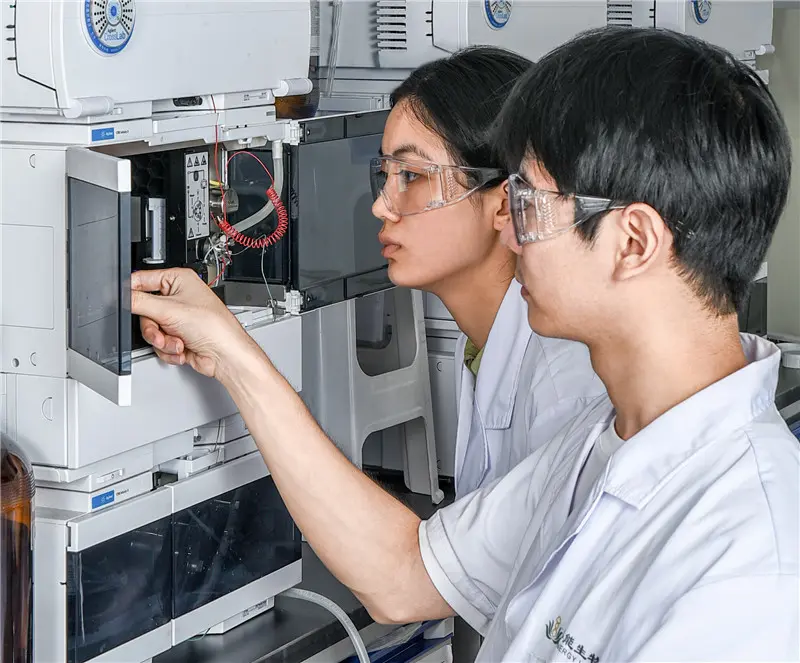
Consult directly with our scientific team to review trial protocols, establish chromatographic fingerprinting baselines, or scope GMP clinical supply production in our Industry 4.0 facilities.
