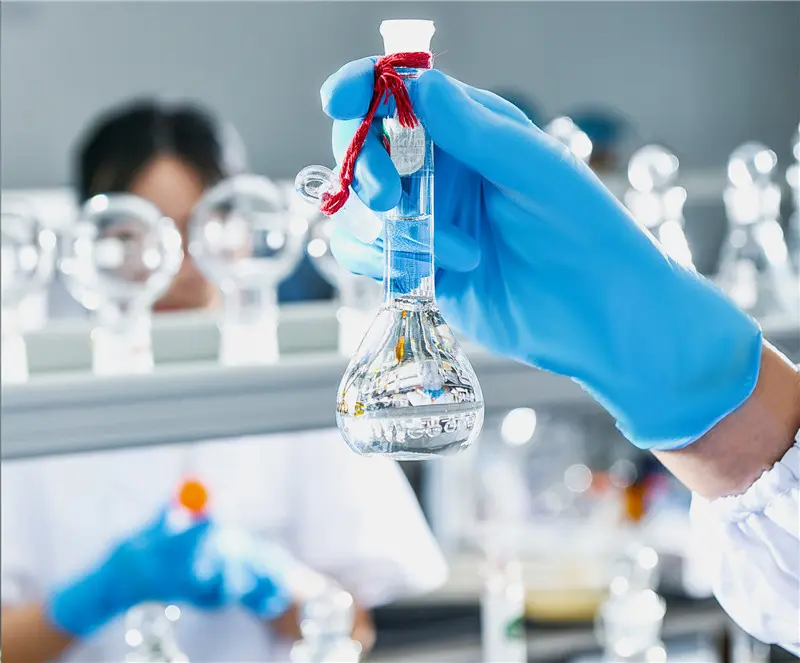
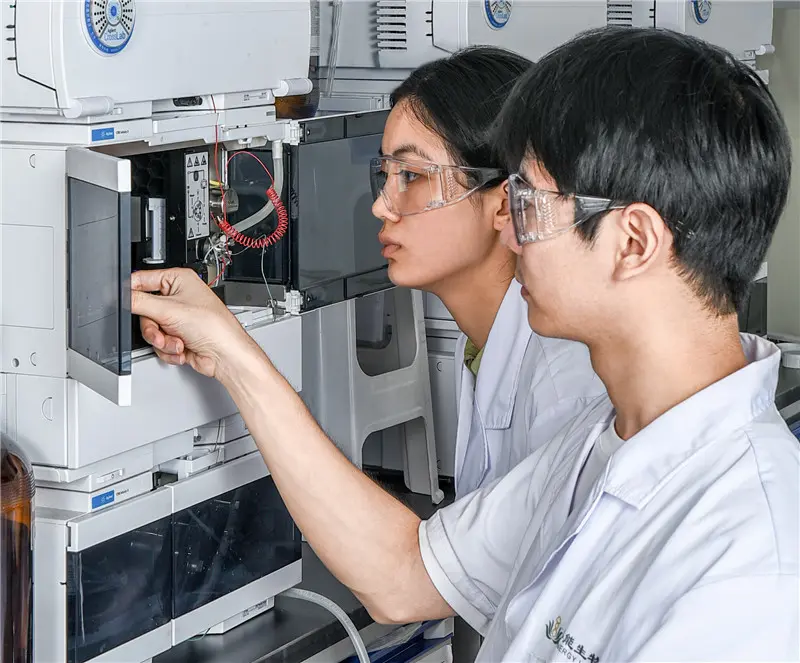
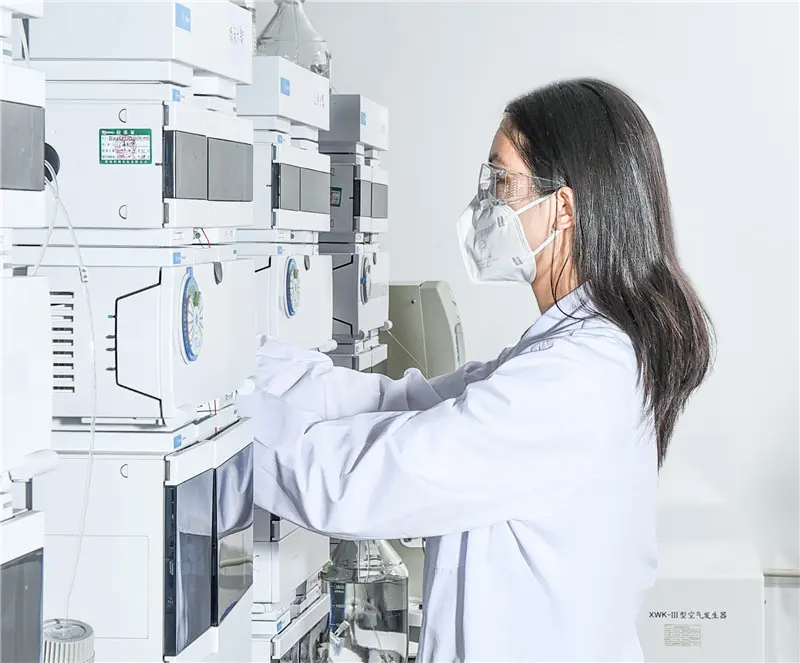
Accelerate commercial launch with standardized assay methods, comprehensive pharmacological profiling, and pilot-to-bulk botanical processing.


The global biopharmaceutical and functional health ecosystem is undergoing a profound structural transition. For decades, natural product development was hindered by chemical heterogeneity, seasonal bioactive variance, and an absence of reproducible pharmacological characterization. Today, the convergence of high-resolution chromatography, mass spectrometry (LC-MS/MS), multi-omics target mapping, and strict regulatory standards—such as the United States Food and Drug Administration (FDA) Botanical Drug Development Guidance and the European Medicines Agency (EMA) Committee on Herbal Medicinal Products (HMPC) directives—has created a rigorous, science-backed framework for OEM Phase I to Phase IV botanical drug research and manufacturing.
Under the International Council for Harmonisation (ICH) guidelines, progressing an investigational botanical entity from target discovery to post-marketing pharmacovigilance requires an integrated CRO/CDMO partner capable of bridging ethnopharmacological heritage with modern chemistry, manufacturing, and controls (CMC). MedGence (Yineng Pharma) operates at the vanguard of this evolution, offering contract research, analytical fingerprinting, preclinical toxicology, human clinical trials, and full-scale commercial manufacturing from its advanced engineering hubs in Changsha, Hunan, China.
Historically, standard chemical entities followed the "one target, one molecule" doctrine. In contrast, botanical extracts encompass complex matrices containing dozens of synergistic secondary metabolites—such as polyphenols, alkaloids, diterpenes, and polysaccharides. Regulatory agencies mandate absolute reproducibility from raw harvest through clinical batch delivery:
Pharma procurement managers, regulatory directors, and biotech venture leaders evaluate clinical-stage botanical OEM suppliers on four uncompromising pillars.
Global pharmaceutical entities require complete origin tracing from Good Agricultural and Collection Practices (GACP) farms to cGMP master batch records. Regulatory dossiers demand heavy metal ICP-MS quantification, pesticide residue multi-screens (compliant with USP <561>), and residual solvent gas chromatography.
Procuring preclinical assays and Phase I–IV clinical trial execution from separate regional contractors creates data fragmentation and expensive tech-transfer delays. Enterprise buyers prioritize unified platforms that handle active extraction, analytical development, GLP animal models, and clinical logistics under one roof.
Complex natural formulations represent proprietary enterprise value. Under MedGence's entrusted contract research and manufacturing protocols, non-disclosure agreements ring-fence chromatographic methods, separation parameters, and clinical trial datasets, guaranteeing absolute proprietary security.
Harnessing automated industrial robotics, continuous counter-current extraction, and in-line process analytical technology (PAT) to manufacture pharmaceutical-grade botanical ingredients.
Moving away from antiquated static batch cooking, our Industry 4.0 facilities utilize continuous counter-current solid-liquid extraction. Real-time ultrasonic and enzymatic cavitation optimizes thermal efficiency, shortens solvent contact cycles, and preserves heat-labile glycosides and polyphenols.
Integrated near-infrared (NIR) sensors and automated feedback loops monitor refractive index, dry-matter Brix, and active constituent density across evaporator columns. This data-driven cyber-physical infrastructure reduces inter-batch relative standard deviation (RSD) to under 2.5%.
Centrally situated in Changsha, Hunan, MedGence leverages direct regional access to premier Chinese botanical production belts (Wuling Mountains, Xuefeng Mountain corridors). This geographic integration guarantees an unbroken cold supply chain, direct farm-gate traceability, and low-cost raw biomass access.
From initial discovery and GLP preclinical safety models through NDA-supporting multicenter clinical validation and post-launch pharmacovigilance.
Bioactive screening, HPTLC/HPLC standard establishment, and in vitro cellular target profiling. Comprehensive animal toxicology: Acute (LD50), chronic toxicity (90-day subchronic rodent/non-rodent), and genotoxicity Ames assays.
Initial tolerance and safety evaluation in healthy volunteers (20–80 subjects). Single Ascending Dose (SAD) and Multiple Ascending Dose (MAD) protocols to establish maximum tolerated dose (MTD) and pharmacokinetic bioavailability.
Double-blind, randomized, placebo-controlled trials in target patient populations (100–300 subjects). Evaluation of therapeutic efficacy across specific clinical endpoints, dose-ranging optimization, and monitoring of short-term side effects.
Large-scale multicenter clinical trials (1,000–3,000+ patients) across leading university medical institutions to demonstrate definitive therapeutic efficacy, monitor adverse reactions, and support regulatory New Drug Applications (NDA).
Post-marketing surveillance to evaluate long-term safety, drug interactions, and rare adverse outcomes across diverse demographics. Generation of real-world datasets supporting label expansions and hospital formulary adoption.
A verifiable operational track record partnering with premier pharmaceutical conglomerates, provincial TCM hospitals, and international academic hubs.
Bridging translational scientific evidence with commercial dosage formats tailored to individual regulatory jurisdictions across North America, the EU, and Asia-Pacific.
Tailored for clinical-stage biotechnology entities targeting complex metabolic diseases, viral pathogenesis, and inflammatory disorders. From early chemical screening to multicenter Phase II/III clinical trials supporting New Drug Applications (NDA) and Investigational New Drug (IND) clearances.
For premier retail and e-commerce dietary supplement brands requiring empirical claim substantiation. We execute double-blind, randomized, human clinical trials (50–100 subjects) on functional finished formulations to support structural/functional claims compliant with DSHEA and EFSA regulations.
Meeting clean-label consumer demand with clinically validated natural actives. In vitro anti-inflammatory, barrier-repair, and elastase-inhibition assays validate dermal bioavailability before transition into commercial serum, emulsion, or topical gel CDMO production.
Our translational research and contract manufacturing platforms power major clinical innovations and hospital preparations nationwide.
 Beijing Tongrentang Group
 China Resources Sanjiu
 Sunflower Pharmaceutical
 Livzon Pharmaceutical
 Dihon Pharmaceutical
 Golden Throat Holdings
 Yangtzi River Pharma
 Beihai Gofar Biological
 Humanwell Healthcare
 SCIMYTH Pharmaceutical
 Shandong Hanfang
 Luoxin Pharmaceutical
 Zhongsheng Pharma
 Hunan Brilliance & Abundance
 Apeloa Pharmaceutical
 Hunan Heng Chang
 Baotou TCM
 Kamp Medicine
 Guangxi Santo Pharma
 Hunan Kangshou Pharma
 Jiangxi Juwang Pharma
 Beijing Tcmages Pharma
 Guizhou Ruihe Pharma
 Anhui CR Jinchan
 Kangmei Pharmaceutical
 Tianjicaotang Pharma
 Jiangxi Kingstone Unite
 Shuguang Hospital (Shanghai)
 Hunan Province TCM Hospital
 First Hospital of Hunan TCM
 Second Xiangya Hospital (CSU)
 Second Hospital of Hunan TCM
 Zhuzhou Orthopedics TCM
Comprehensive guidance for procurement managers, regulatory directors, and biotech researchers sourcing Phase I to Phase IV botanical capabilities.
Directly transfer verified analytical protocols and clinical dossiers into high-yield, cost-efficient bulk manufacturing.