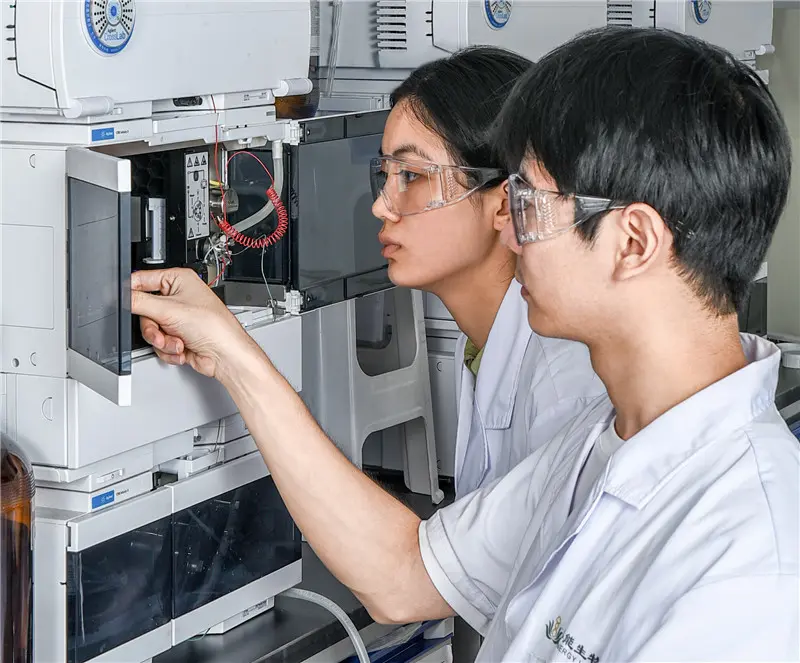
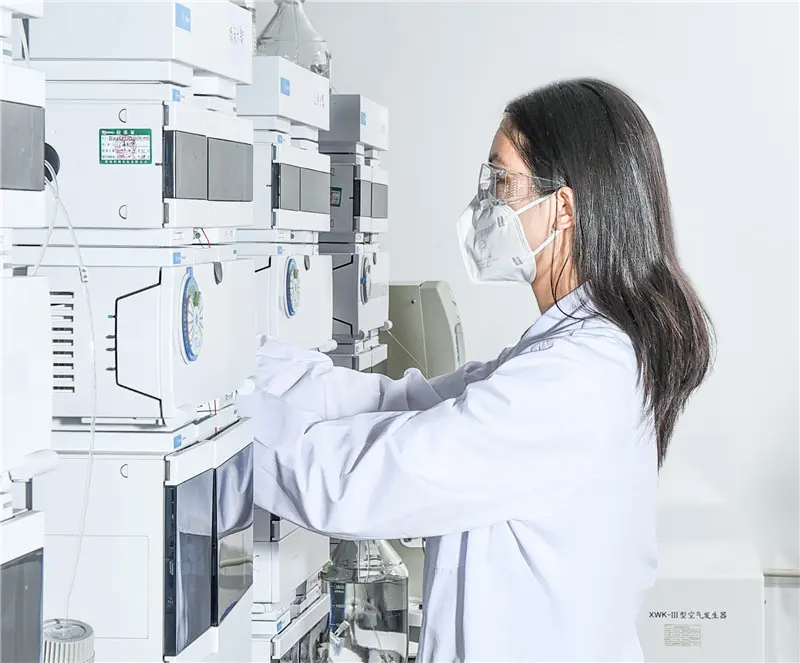
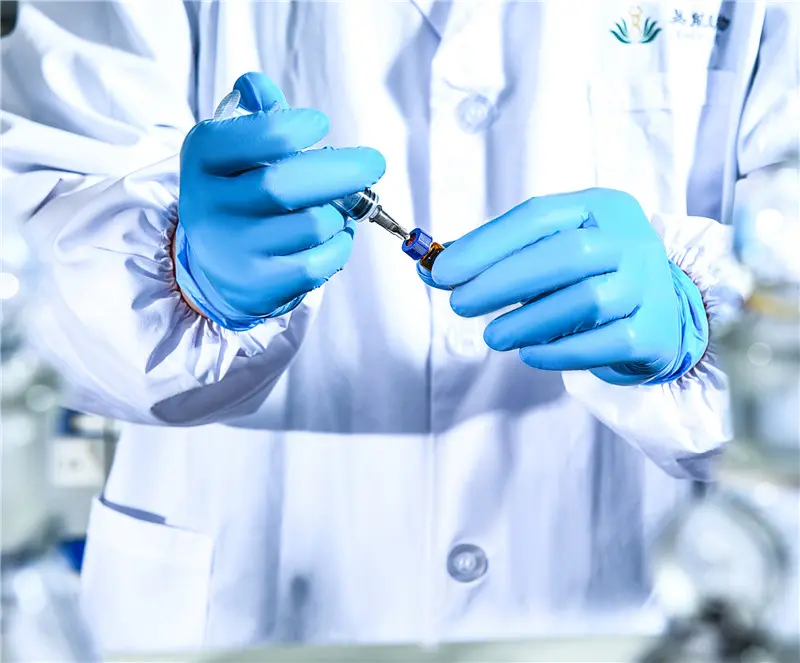
Full-cycle turnkey laboratory evaluations, proprietary method establishment, preclinical validation, and commercial extraction governed by strict non-disclosure covenants.
Evaluating the institutional transformation of OEM/CDMO operations from standard tolling facilities into mathematically secured, IP-isolated discovery and manufacturing ecosystems.
In modern pharmaceutical synthesis, phytochemical commercialization, and high-potency nutraceutical formulation, intellectual property protection has transcended conventional legal contracts. Global brand sponsors, venture-backed biotechnology incubators, and multinational wellness consortia increasingly operate under Zero-Trust manufacturing frameworks. The core dilemma facing brand owners has historically rested on exposure vulnerability: transferring a novel proprietary extraction methodology, chromatography fraction ratio, or bioactive concentration standard to a contract development and manufacturing organization (CDMO) inherently risked illicit formula leakage, cross-contamination of trade secrets, or rapid reverse engineering by local market players.
As an established natural medicine Contract Research Organization (CRO) and Contract Development and Manufacturing Organization (CDMO) with more than 14 years of specialized operational history, MedGence (Yineng Pharma) has redefined non-disclosure manufacturing. Modern confidential contract manufacturing requires a multi-layered convergence of juridical enforceability, digital role-based access control (RBAC), physical cleanroom segregation, and blind-batch manufacturing workflows. In this model, process variables—such as solvent vapor pressure, column retention timelines, enzymatic lysis temperatures, and crystallization catalysts—are partitioned into segregated operational data silos. Technicians on the factory floor execute standardized sub-steps without exposure to the master upstream formulation algorithm or downstream target molecule profile.
Furthermore, the proliferation of global regulatory scrutiny (including US FDA 21 CFR Part 111 for dietary supplements, 21 CFR Part 210/211 for pharmaceutical active pharmaceutical ingredients (APIs), European Medicines Agency EMA herbal monographs, and the Therapeutic Goods Administration TGA in Australia) necessitates that non-disclosure does not compromise audit traceability. A supplier must guarantee complete black-box IP isolation to external third parties while supplying unimpeachable, transparent, and defensible Certificate of Analysis (CoA) documentation, validation batches, and stability records to qualified regulatory authorities on behalf of the sponsor.
Proprietary chemical processes are compartmentalized into distinct pilot extraction modules. Raw material sourcing parameters, supercritical solvent profiles, and spray-drying excipient formulations are executed on decoupled floor lines with restricted, biometric cleanroom access.
HPLC, GC-MS, and HPTLC spectroscopic raw data and fingerprint chromatographic baselines are archived in local, air-gapped LIMS databases. Digital project accounts remain accessible strictly to designated principal scientific liaisons under cryptographic signature authorization.
Contractual instruments integrate dual-jurisdiction non-circumvention, non-disclosure, and proprietary asset transfer clauses. MedGence acts strictly as an entrusted CRO/CDMO platform; all developed chemical know-how and DMF filings remain client-exclusive assets.
Backed by 14+ years of specialized laboratory research, national botanical repositories, and collaborative modern pharmaceutical manufacturing complexes.
Why Fortune 500 nutritionals, European phytotherapy developers, and US botanical brands are resetting supplier validation criteria toward integrated CRO/CDMO alliances.
The contemporary global botanical and natural medicine market has transitioned through three evolutionary epochs. In the first epoch (1990–2005), procurement was purely commodity-driven: purchasers evaluated price per metric ton of raw herbal powder without standardization of marker components. In the second epoch (2006–2018), basic ratio extracts (e.g., 10:1, 20:1) or crude UV-Vis standardized total phenolics became common, yet these methods suffered from severe analytical vulnerabilities, including dye adulteration, spike additions, and extreme seasonal potency fluctuations.
Today, the market has firmly entered its third epoch: Target-Biomarker & Mechanistic Bio-Standardization. Brand owners in North America, Western Europe, Japan, and Australasia are under unprecedented pressure from health authorities, class-action litigation, and sophisticated consumers demanding clinical substantiation. An active ingredient cannot merely claim to derive from Panax ginseng, Curcuma longa, or Astragalus membranaceus; procurement criteria now mandate exact fingerprint chromatographic confirmation (HPLC/UPLC-MS/MS), full metabolic pathway identification, heavy metal isotope analysis, zero-tolerance pesticide residue testing (conforming to USP <561> and EP 2.8.13), and validated biological mechanisms proven via in vitro and in vivo bioassays.
Consequently, traditional OEM contract factories that operate solely as mechanical mixing and encapsulation facilities are facing systematic obsolescence. Multinational procurement officers are consolidating vendor matrices, eliminating intermediaries in favor of integrated contract research organizations that possess both advanced pharmacology research facilities (CRO) and commercial pilot-to-scale cGMP manufacturing lines (CDMO). Under this consolidated operational paradigm, procurement directors look for five mandatory enterprise criteria:
Elimination of surrogate adulterants via High-Performance Thin-Layer Chromatography (HPTLC) fingerprinting and Gas Chromatography (GC) volatile fractionation, ensuring batch-to-batch identity consistency.
Access to verified cellular receptor-binding assays, anti-inflammatory cytokine assays (TNF-α, IL-6 suppression), and rodent model pharmacokinetic profiles prior to undertaking large-scale commercial batch synthesis.
Provision of ready-to-file Drug Master File (DMF) sections, New Dietary Ingredient (NDI) safety dossiers, or Generally Recognized as Safe (GRAS) toxicological portfolios, including OECD 471 Ames testing data.
Seamless transfer from 5-liter laboratory discovery units to 10-metric-ton continuous countercurrent extraction reactors without modification of extraction equilibrium constants or solvent thermal profiles.
Harnessing real-time SCADA continuous extraction, closed-loop solvent regeneration, and regional botanical provenance tracking to optimize unit economics and mitigate geopolitical volatility.
The historical vulnerability of botanical medicine manufacturing has always been raw agricultural variability. Natural plant specimens naturally display significant disparities in active secondary metabolite accumulation based on microclimate elevations, soil mineral composition, harvest timing, and initial drying methods. China Factory 4.0, exemplified by the MedGence manufacturing network in Changsha, Hunan, bridges the gap between agricultural nature and high-precision pharmaceutical manufacturing through automated, continuous process control.
Located at the strategic geographic epicenter of China's primary traditional herb cultivation belts, our operational matrix deploys automated counter-current extraction systems directly connected to supervisory control and data acquisition (SCADA) networks. Unlike batch maceration tanks that produce variable yields, continuous extraction maintains exact thermodynamic equilibrium, extracting high-purity saponins, polysaccharides, polyphenols, and alkaloids at minimum solvent-to-material ratios.
Simultaneously, the integration of Industry 4.0 digital twins and algorithmic process models allows our engineers to forecast batch behavior before processing. If an incoming lot of raw botanical material exhibits a slightly higher moisture content or lower active content due to seasonal weather variations, the automated extraction matrix calibrates flow rates, cavitation ultrasonic intensity, and column temperature gradients in real time. This automated feedback mechanism ensures that the final dried extract, concentrated syrup, or purified crystalline active strictly adheres to the client's proprietary release specification.
By linking automated pilot plants with partner manufacturing sites, client formulations achieve lower overheads without sacrificing cGMP standards. High thermal efficiency and continuous solvent recovery reduce utility costs by up to 34% compared to legacy Western facilities.
Vertical upstream agricultural contracting with certified Good Agricultural and Collection Practices (GACP) regional bases shields clients from raw material shortages, price surges, and seasonal stock-outs through deep strategic safety reserves.
Every processing stage—from initial milling and dynamic maceration to multi-effect falling film evaporation and cleanroom packaging—is captured via tamper-evident digital records, eliminating documentation omissions.
Tailored formulation design, regulatory adaptation, and dosage manufacturing for pharmaceutical, nutraceutical, and cosmeceutical brand leaders.
For biopharmaceutical developers seeking botanical Drug Master Files (DMFs) under US FDA 505(b)(2) or EMA botanical guidelines. We provide target molecule enrichment, reference standard isolation, acute/sub-acute GLP toxicology portfolios (LD50), Ames genotoxicity evaluations, and Phase I–IV clinical trial batch manufacturing.
For premium nutritional brands that need to substantiate consumer health claims. We engineer standardized extract powders, softgels, micro-tablets, and functional effervescents with human biomarker validation, supporting structure-function claims for metabolic balance, cognitive endurance, joint flexibility, and liver support.
Clean-label cosmetic developers demand high dermal permeation, low color interference, and confirmed anti-tyrosinase or pro-collagen synthesis activity. We deliver bio-fermented botanical actives, water-dispersible volatile oils, and non-sensitizing plant fractions with 3D human skin model test data.
Drawing from our experience obtaining 56 provincial hospital preparation registrations, we help licensed health networks, private wellness clinics, and research hospitals translate traditional clinical recipes into approved modern dosage forms (granules, concentrated liquids, and capsules) with verified stability profiles.
Bridging historic Chinese pharmacopeia texts with contemporary molecular medicine. We have modernized 83 classic formulations, determining active compound synergistic ratios, eliminating toxic heavy metal traces, and formulating taste-masked oral liquids and rapid-dissolve granules.
Flexible custom packaging solutions under full contract secrecy. Fully configured blister packaging, induction-sealed pharmaceutical bottles, and single-dose nitrogen-purged sachets produced in ISO Class 7 (Class 10,000) cleanroom suites ready for direct shelf distribution worldwide.
Our confidential contract research and commercial manufacturing support China's most rigorous pharmaceutical leaders and specialized clinical medical institutions.
 Beijing Tongrentang
 CR Sanjiu Pharma
 Sunflower Pharma
 Livzon Pharma
 Dihon Pharma
 Golden Throat Group
 Yangtzi River Pharma
 Humanwell Healthcare
 Apeloa Pharma
 Shuguang Hospital
 Xiangya Hospital CSU
 Hunan Univ of TCM
Comprehensive operational, legal, and analytical answers to guide your contract research and confidential manufacturing evaluations.
Select a validated active ingredient, custom extraction profile, or testing framework to begin immediate pilot synthesis and formulation design.
Direct communication with senior natural medicine research scientists and CDMO process engineers. Our bilateral non-disclosure agreement is executed prior to reviewing technical requirements.