Full-spectrum preclinical validation, chromatographic assay formulation, and batch-standardized extraction systems compliant with global regulatory dossiers.

Targeted in vivo pharmacological validation, dose escalation safety indexing, and acute/chronic toxicology.
View Service Parameters →
End-to-end human bioequivalence, GCP-compliant clinical protocol design, and multi-center NDA data dossiers.
View Service Parameters →
HPTLC, HPLC-DAD, and GC-MS/MS method development for quantitative assay of complex multi-compound botanical matrixes.
View Service Parameters →
Cellular metabolic assays, receptor binding affinity, enzymatic inhibition, and high-throughput bioactive screening.
View Service Parameters →
Dynamic mapping of secondary metabolites across harvests, altitudes, and harvest windows to optimize yields.
View Service Parameters →
Identification of target flavonoids, polyphenols, saponins, and alkaloids with structural characterization.
View Service Parameters →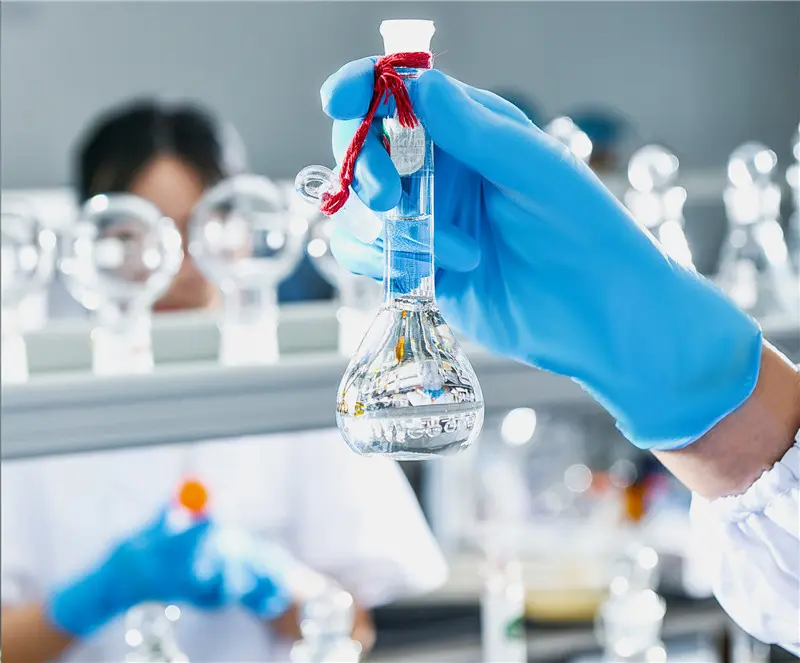
Optimizing solvent polarity, counter-current extraction velocity, resin purification, and spray crystallization.
View Service Parameters →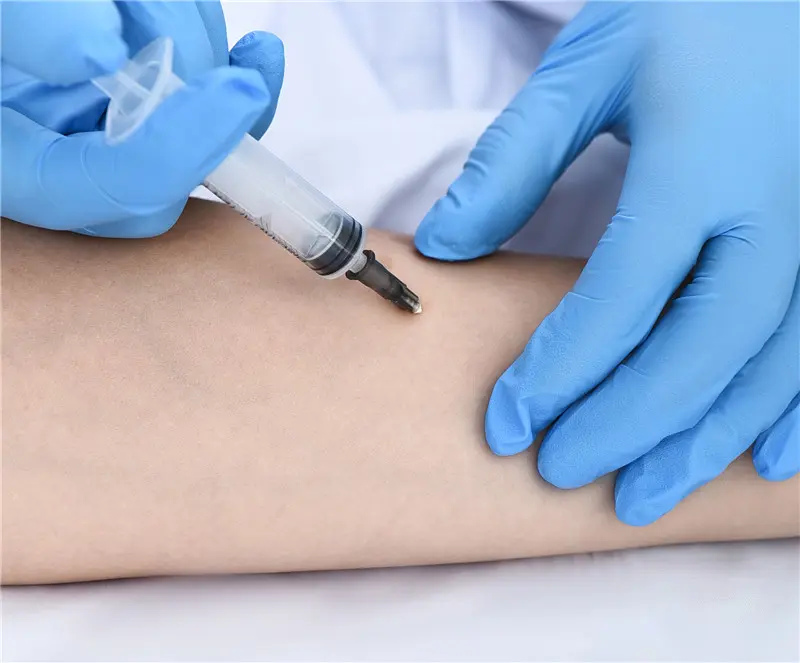
Bioavailability enhancement, liposomal encapsulation, enteric coating, and solid dispersion stability.
View Service Parameters →Why traditional herbal procurement fails under modern regulatory scrutiny, and how Quality by Design (QbD) governs next-generation contract research and development.
In the contemporary landscape of pharmaceutical development, functional nutraceutical manufacturing, and bioactive cosmeceutical synthesis, the phrase "OEM Key Parameters" represents a fundamental engineering discipline rather than a superficial commercial buzzword. Historically, botanical procurement relied on crude gravimetric ratios (such as 10:1 or 20:1 extracts) that failed to account for intrinsic phytochemical heterogeneity, environmental fluctuations, and downstream solvent matrix interactions. Today, international health authorities—including the U.S. FDA under 21 CFR Part 111 and Part 210/211, the European Medicines Agency (EMA) through its Committee on Herbal Medicinal Products (HMPC), and China's National Medical Products Administration (NMPA)—require absolute batch-to-batch chemical fingerprint uniformity.
Achieving this level of reproducibility necessitates a transition to Quality by Design (QbD) principles. Under QbD, the therapeutic or functional targets of a botanical product are translated into quantifiable Critical Quality Attributes (CQAs), such as targeted bioactive marker titer (e.g., ginsenosides, icariin, salvianolic acids, artemisinin), toxicological impurity limits (polycyclic aromatic hydrocarbons, mycotoxins, pesticide residues conforming to USP <561>), and solid-state physical properties (bulk density, particle size distribution D50/D90, dissolution kinetics). These CQAs are rigorously safeguarded by precisely manipulating Critical Process Parameters (CPPs) across industrial unit operations.
Real-time dielectric constant optimization using automated ethanol-water gradients, ensuring selective isolation of targeted saponins while precipitating unwanted polysaccharides.
Sub-ambient, vacuum-assisted low-temperature evaporation (<45°C) prevents thermal isomerization and oxidative degradation of delicate heat-sensitive polyphenols.
Precise pore volume selection (macroporous styrene-divinylbenzene copolymers) and linear space velocity elution to enrich trace bioactives up to 98% purity.
Computer-aided similarity evaluation algorithms comparing multi-wavelength HPLC profiles against standard reference fingerprints with correlation coefficients >0.990.
How MedGence (Yineng Pharma) harnesses geographical sourcing ecosystems, centralized automated extraction clusters, and deep technical talent to de-risk commercialization.
The global botanical supply chain is experiencing a structural pivot. Western brand owners and multinational life science corporations face skyrocketing domestic manufacturing costs, stringent chemical solvent handling regulations, and fragmented agricultural supply chains. China's botanical manufacturing infrastructure provides an insurmountable competitive advantage when orchestrated under strict Western scientific oversight. At MedGence, our operational facility in Changsha, Hunan Province, serves as the engineering apex of this integrated ecosystem.
In botanical pharmacology, chemical potency is inextricably linked to geographical provenance (terroir, soil microbiome, solar altitude, and seasonal rainfall). China harbors 11 distinct biogeographical zones producing over 12,000 documented medicinal plant species. MedGence's agronomic screening infrastructure maintains real-time harvest indexing across major producing provinces: from high-altitude Panax notoginseng plantations in Yunnan to wild-crafted Epimedium reserves in Guizhou. By establishing immediate field-level sampling protocols, we stabilize raw botanical feedstocks before post-harvest enzymatic degradation occurs.
Unlike batch extraction vessels that require excessive solvent volumes and prolonged residence times, our collaborative manufacturing plants utilize fully enclosed, multi-stage automated countercurrent extraction systems. This technical architecture reduces solvent consumption by 45%, decreases thermal exposure windows by 60%, and recovers over 98.5% of process ethanol. The entire unit operation is monitored via programmable logic controllers (PLC) and Supervisory Control and Data Acquisition (SCADA) networks, maintaining temperature drift within ±0.5°C across 10,000-liter extraction vessels.
High capital equipment without deep human expertise results in operational bottlenecks. MedGence deploys an in-house scientific workforce of more than 300 dedicated research personnel. Western analytical laboratories typically quote 8 to 14 weeks for standard chromatographic method development and validation (ICH Q2(R1)). MedGence completes full method validation—encompassing system suitability, specificity, linearity, precision, repeatability, and robustness—within 10 to 14 business days, slashing preclinical timelines by up to 75%.
Scale-up cycle reduced from an industry average of 9 months down to 6 weeks through validated pilot plant simulation models.
Proprietary nanofiltration and molecular distillation steps achieve >92% total active substance retention compared to 70% in conventional plants.
Multi-component calibration curves maintain regression coefficients (R²) >0.9995 across 5-point dynamic quantification ranges.
Triple-quadrupole mass spectrometry (LC-MS/MS) ensures pesticide and pyrrolizidine alkaloid detection down to parts-per-billion (ppb) limits.
From raw molecular exploration to commercial dose manufacturing under rigorous NDA confidentiality.
Utilizing high-content phenotypic screening and metabolomic profiling to isolate target active molecules from complex botanical matrices, balancing biological efficacy with green synthesis yield.
Read Technical Specification →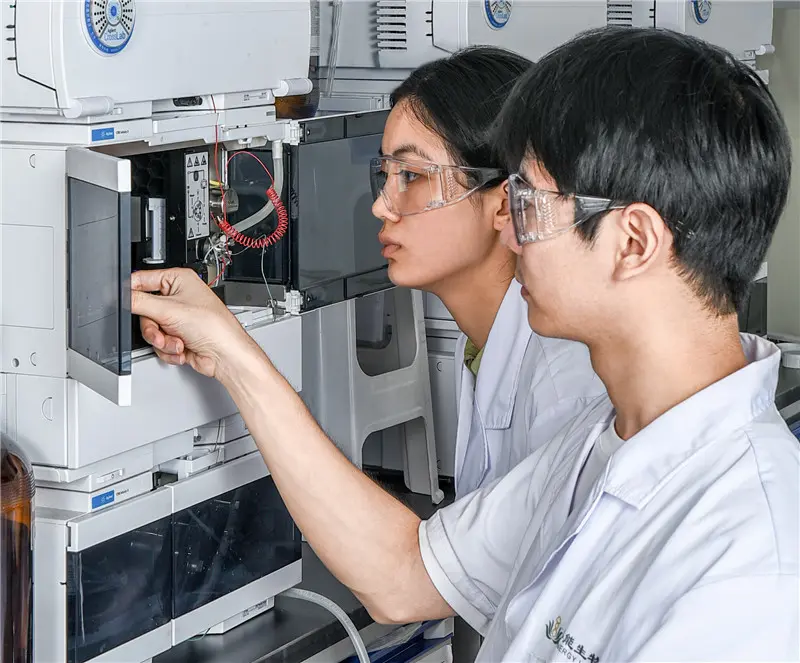
Quantifying secondary metabolite variance across geographic harvest zones, altitude bands, and seasonal cycles to establish bulletproof supply specifications for global procurement.
Read Technical Specification →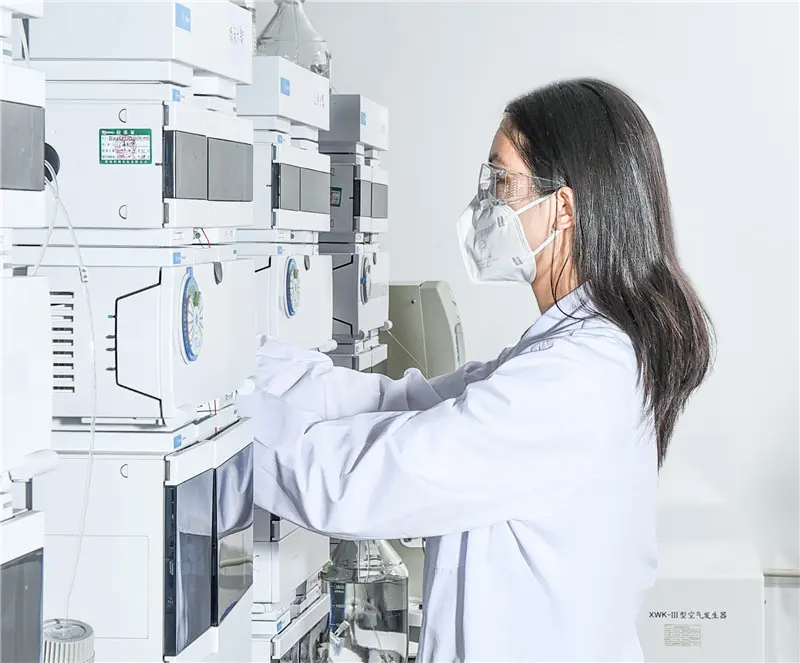
Developing fully validated HPLC-UV/CAD, GC-MS, HPTLC, and chromatographic fingerprint identification standards capable of defending regulatory filings before FDA, EMA, and TGA inspectors.
Read Technical Specification →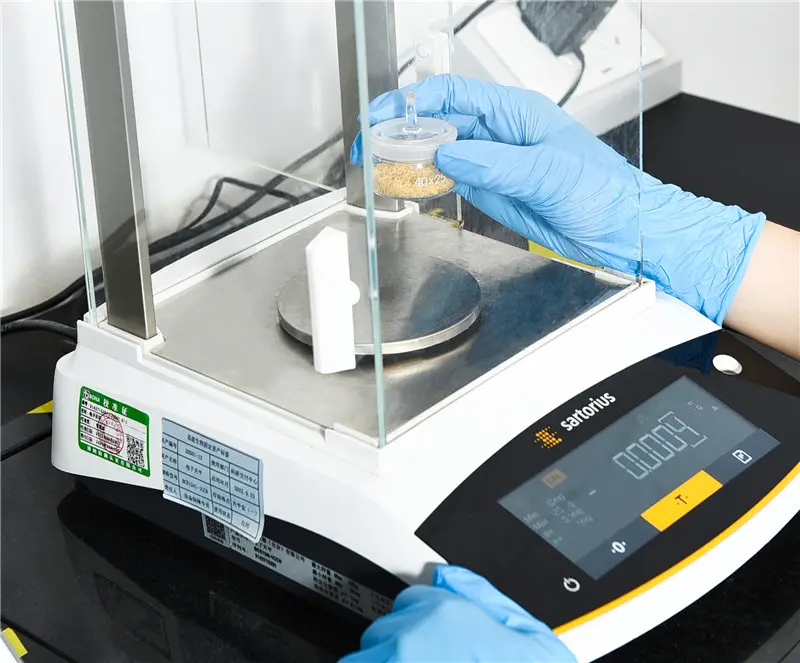
Engineering pilot-scale extraction, resin column fractionation, vacuum drying, and crystallization kinetics to eliminate batch variance and maximize total yield.
Read Technical Specification →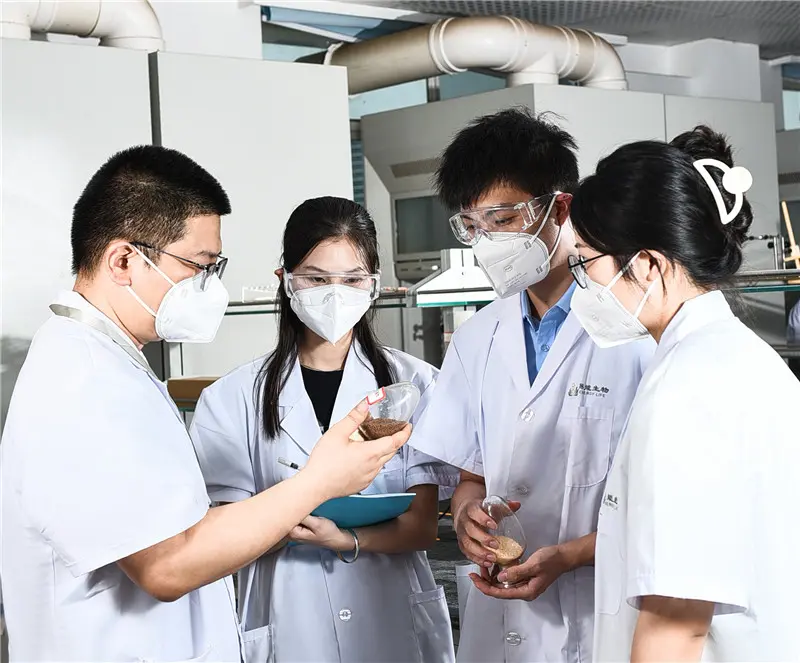
Resolving challenging natural medicine delivery bottlenecks: microencapsulation for moisture-sensitive extracts, solid dispersion for poor water solubility, and taste masking for harsh organoleptics.
Read Technical Specification →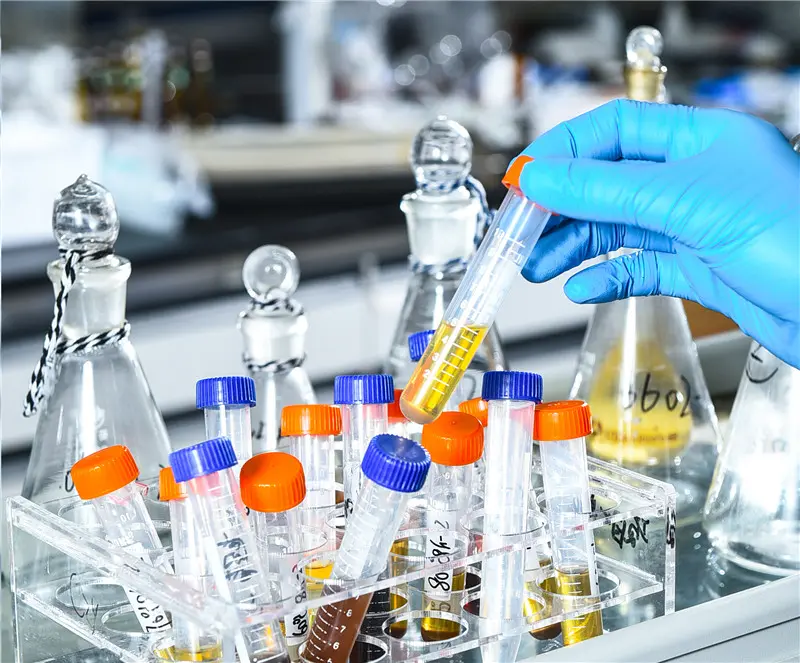
GLP-compliant toxicology packages: acute oral toxicity (LD50), 28/90-day sub-chronic repeated dose studies, bacterial reverse mutation (Ames test), and mammalian in vivo micronucleus assays.
Read Technical Specification →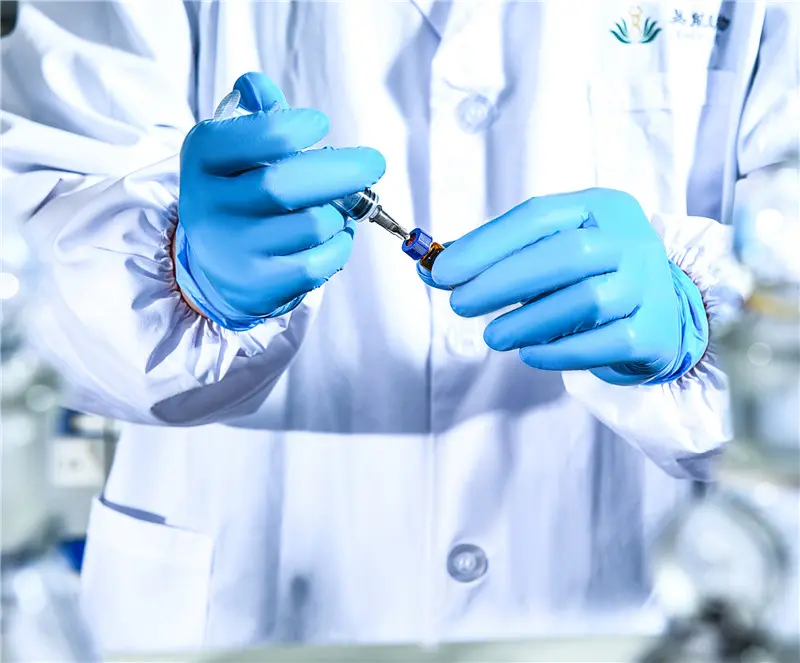
High-throughput primary cell line models, macrophage inflammatory assays (TNF-α, IL-6 inhibition), oxidative stress markers (ROS, DPPH), and metabolic enzymatic pathways (AMPK, PPAR-γ).
Read Technical Specification →
Validated rodent disease models: metabolic syndrome, hyperlipidemia, spontaneous hypertension, cognitive impairment, and osteoarticular inflammation for regulatory substantiation dossiers.
Read Technical Specification →
Small-cohort human pharmacokinetic/pharmacodynamic (PK/PD) studies for dietary supplements, and GCP-certified Phase I through IV clinical trials supporting botanical New Drug Applications (NDA).
Read Technical Specification →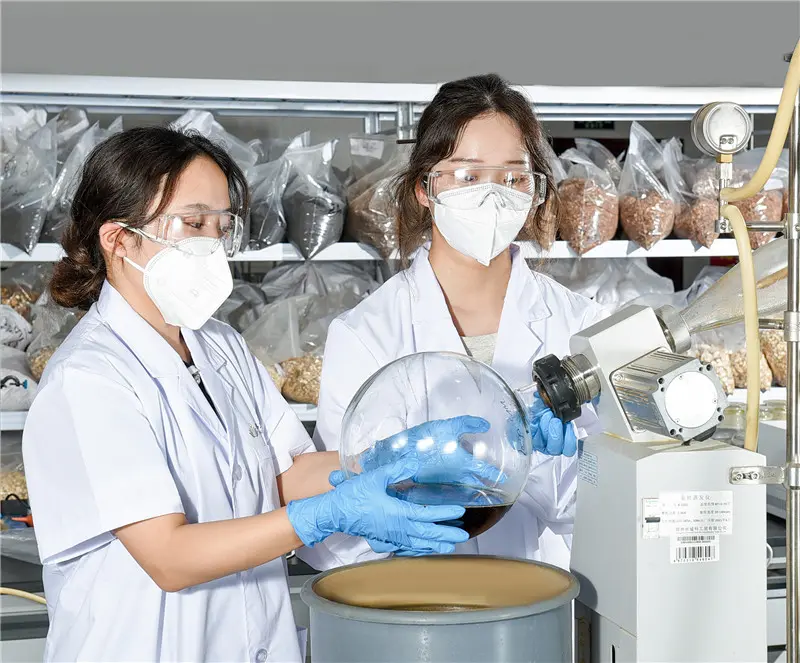
Translating classic Traditional Chinese Medicine multi-herb prescriptions (Jun-Chen-Zuo-Shi synergies) into standardized modern pharmaceutical dosage forms with clarified molecular mechanisms.
Read Technical Specification →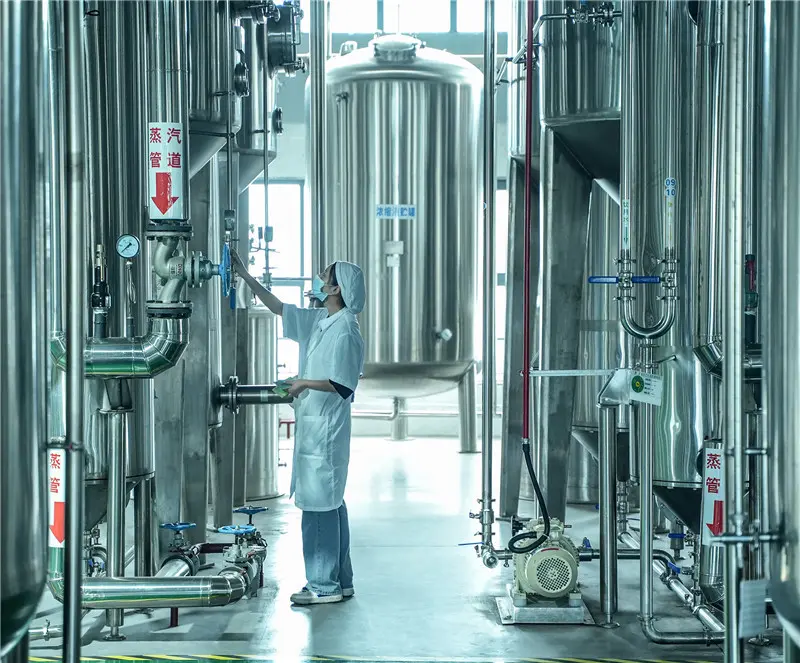
Direct supply of high-purity phytochemical intermediates, concentrated purified liquids, spray-dried powders, standardized pastes, and supercritical CO2 extracted volatile essential oils.
Read Technical Specification →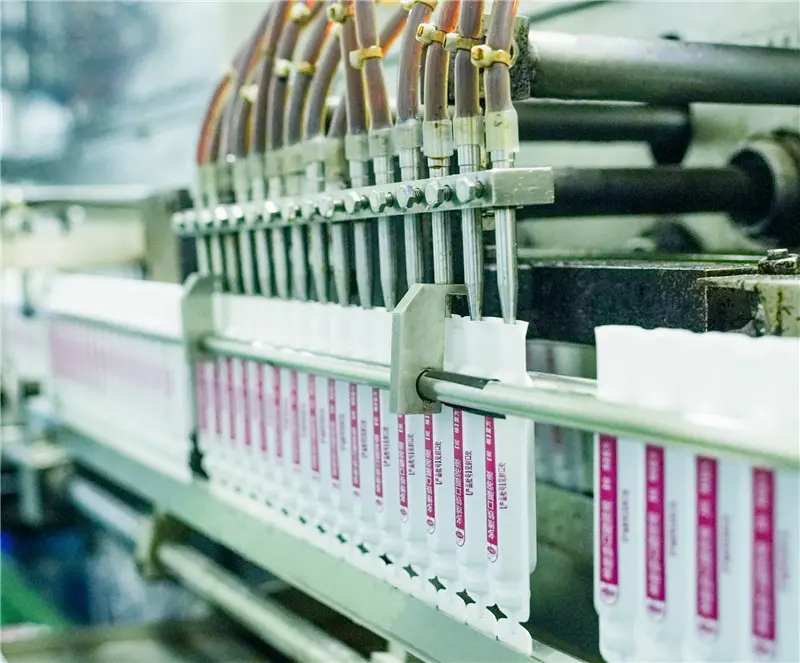
Turnkey cGMP manufacturing of commercial oral liquids, hard-gelatin and vegetarian capsules, enteric softgels, multilayer tablets, dispersible powders, and effervescent granules under full NDA protection.
Read Technical Specification →Tangible metrics achieved in collaboration with China's tier-one hospitals, listed pharmaceutical conglomerates, and regulatory evaluation centers.
Years of Natural Medicine R&D
In-House Research Scientists
Pharma Manufacturers & Hospitals
Classic TCM Formulas Modernized
Innovative Natural Drugs Developed
Hospital Preparation Registrations
Single-Herb Standards Established
Innovative Research Projects Delivered
How parameter-optimized botanical intermediates unlock unprecedented formulation performance across global market segments.
For biopharmaceutical developers filing Investigational New Drug (IND) packages. We deliver complete Chemistry, Manufacturing, and Controls (CMC) dossiers, impurity profiles (ICH Q3A/B), and validated multi-center Phase I-IV clinical evidence.
Target: Global Pharma & BiotechStandardized botanical active extracts specifically engineered for tablet compressibility, hard capsule filling fluidity, or rapid cold-water dispersion. Substantiated by randomized double-blind human clinical trials to support high-tier marketing claims.
Target: Nutraceutical BrandsDecolorized, deodorized, non-staining botanical fractions with confirmed dermal permeation (Franz diffusion cell assays). Supported by in vitro human dermal fibroblast safety and melanin-inhibition documentation.
Target: Clean-Label CosmeticsEvery phase produces definitive analytical and regulatory deliverables, providing total transparency to enterprise procurement and technical auditing teams.
Botanical taxonomy confirmation, Daodi geo-origin potency benchmarking, and macroscopic/microscopic identity testing.
Deliverable: Sourcing Optimization ReportDeveloping robust HPTLC, HPLC-DAD, LC-MS, and GC testing methods with complete validation across accuracy, precision, and LOD/LOQ.
Deliverable: ICH Method Validation DossierBenchmarking extraction kinetics, resin adsorption isotherms, vacuum concentration curves, and spray-drying inlet temperatures.
Deliverable: Master Batch Production RecordIn vitro high-throughput functional testing, acute oral LD50, sub-chronic toxicity, and in vivo efficacy modeling.
Deliverable: Preclinical Safety PackageGCP-certified pilot human pharmacokinetic studies or multicenter double-blind placebo-controlled clinical trials (Phase I-IV).
Deliverable: Clinical Study Data DossierIndustrial scale-up across 10,000L extraction vessels, finished dosage conversion (capsules, tablets, liquids), and confidential delivery.
Deliverable: Commercial CoAs & Finished StockNavigating the intersection of artificial intelligence, green extraction methodologies, and international audit compliance.
The global natural medicine contract manufacturing sector is entering a transformative epoch governed by three prevailing macro-trends: Process Analytical Technology (PAT), AI-directed phytochemical characterization, and de-fossilized green extraction technologies.
Traditional manufacturing relies on post-batch retrospective QC release testing. If a 10,000-liter extraction batch fails chromatographic marker assay limits, the entire economic investment is liquidated. MedGence is integrating continuous in-line Near-Infrared (NIR) spectroscopy directly into solvent recirculation pipelines. This enables real-time monitoring of active dissolution dynamics, permitting algorithmic termination of extraction cycles the instant asymptotic marker release is achieved—slashing cycle durations and preventing solvent-induced degradation.
Natural botanical formulas exhibit therapeutic polypharmacology: hundreds of secondary metabolites simultaneously interact with multiple human receptor targets. In partnership with bio-informatics research institutes, MedGence leverages deep-learning molecular docking models to predict synergistic bioactivity matrices from multi-herb extracts, identifying active trace fractions that classical chromatographic assays miss.
For global procurement directors evaluating a China-based CRO/CDMO partner, superficial facility photos are insufficient. Enterprise technical audit teams must examine four empirical risk vectors:
Fully computerized analytical instrumentation (Waters Empower, Agilent OpenLab) operating under strict FDA 21 CFR Part 11 electronic signature compliance.
Demonstration of CpK >1.33 across Critical Process Parameters across at least 10 consecutive commercial manufacturing batches.
Headspace GC-FID determination of Class 1 and Class 2 residual solvents conforming strictly to ICH Q3C guidance limits.
Strict legally binding dual-jurisdiction non-disclosure agreements, segregated physical pilot suites, and air-gapped proprietary master batch recipes.
Our R&D engineering powers research programs for China's most celebrated pharmaceutical conglomerates, universities, and specialized TCM hospitals.
 Beijing Tongrentang Group
 CR Sanjiu Pharmaceutical
 Sunflower Pharmaceutical
 Livzon Pharmaceutical Group
 Dihon Pharmaceutical
 Golden Throat Group
 Yangtzi River Pharmaceutical
 Beihai Gofar Chuanshan
 Humanwell Healthcare
 SCIMYTH Pharmaceutical
 Shandong Hanfang Pharma
 Luoxin Pharmaceutical
 Guangdong Zhongsheng
 Brilliance & Abundance
 Apeloa Pharmaceutical
 Hunan Heng Chang Pharma
 Baotou TCM Co.
 Kamp Medicine
 Guangxi Santo Pharma
 Hunan Kangshou Pharma
 Jiangxi Juwang Pharma
 Beijing Tcmages Pharma
 Guizhou Ruihe Pharma
 CR Jinchan Pharma
 Kangmei Pharmaceutical
 Tianjicaotang Pharma
 Kingstone Unite Pharma
 Shuguang Hospital (Shanghai)
 Hunan Directly Affiliated TCM
 1st Hosp. Hunan Univ. CM
 2nd Xiangya Hospital
 2nd Hosp. Hunan Univ. CM
 TCM Orthopedics Zhuzhou
Essential technical answers for Chief Scientific Officers, Procurement Managers, and Quality Assurance Directors.
Direct procurement and contract manufacturing modules configured for industrial scale-up.
Dose escalation, sub-chronic toxicity, and functional bioavailability profiling in rodent models.
Inquire Specifications →
Full GCP protocol execution, IRB management, patient recruitment, and statistical study reporting.
Inquire Specifications →
ICH Q2 compliant analytical method development for single active markers and complex botanical fingerprints.
Inquire Specifications →
Targeted enzyme inhibition assays, macrophage inflammation markers, and oxidative stress scavenging assays.
Inquire Specifications →
Metabolomic characterization across harvest windows and soil compositions to maximize active compound yields.
Inquire Specifications →
Rapid identification, isolation, and structural verification of target bioactives for intellectual property protection.
Inquire Specifications →
Pilot extraction modeling, macroporous resin kinetics, continuous chromatography, and spray drying.
Inquire Specifications →
Turnkey contract development: oral liquids, softgels, capsules, and enteric tablets backed by full analytical release.
Inquire Specifications →Connect directly with our senior process engineers and analytical scientists. Submit your target indication, botanical compound, or finished dosage parameters for a confidential study plan.
