Seamless scientific transfer from botanical screening to commercial pharmaceutical batch production under accredited regulatory dossiers.






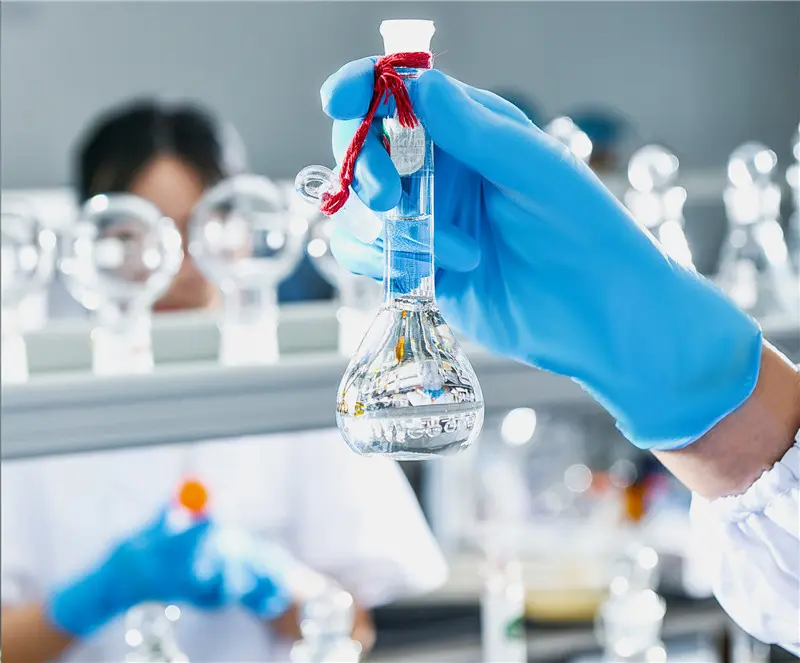
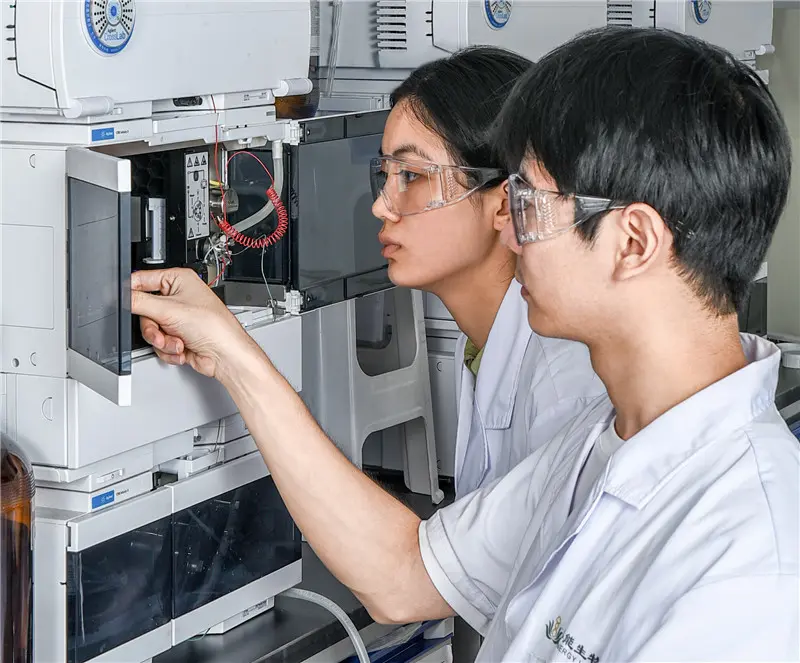
How modern Chinese bio-pharmaceutical ecosystems combine raw botanical abundance, cutting-edge automated industrial facilities, and elite analytical rigor to outpace conventional contract supply chains.
China hosts the world's most dense ecological belts for botanical cultivation. Operating within Hunan's biomedical research hub (MedGence / Yineng Pharma), our production plants secure farm-to-reactor raw materials within 24 hours of harvest.
Eliminating traditional manual batch vulnerabilities, China's Tier-1 CDMO manufacturing lines integrate multi-stage countercurrent extraction, supercritical CO2 fractionation, and dynamic industrial membrane concentration.
Through vertically aligned engineering expertise, our pilot and commercial plants compress research cycles from multi-year trial-and-error down to rapid empirical scale-up without technical debt or IP dilution.
International regulatory shifts, analytical innovations, and consumer preferences are rewriting the botanical supply playbook.
The global botanical extracts and functional ingredient ecosystem has entered an irreversible transition phase. Historically, natural product manufacturing relied upon rudimentary solvent ratios, native extract ratios (e.g., "10:1 extracts" lacking certified active marker quantification), and inconsistent agricultural sourcing. This era of empirical ambiguity has been superseded by rigorous regulatory demands led by the US FDA Botanical Drug Guidance, EMA Botanical Monograph requirements, and stringent cGMP (21 CFR Part 111 & Part 210/211) frameworks.
Target quantification of a single isolate is no longer sufficient for regulatory registration. Contemporary buyers require High-Performance Thin-Layer Chromatography (HPTLC) visual fingerprints alongside multi-wavelength HPLC-DAD and LC-MS/MS mapping to detect adulteration, identify botanical species variants, and guarantee batch-to-batch chemical equivalence.
HPTLC Identity Multi-Wavelength HPLC Isotopic AuthenticityThe confluence of computational biology and ethnobotany has created computational active screening. Instead of brute-force assay screening, in silico molecular docking models match multi-target phytochemicals against disease receptors, predicting biological pathways, binding affinities, and synergistic mechanisms before synthesis begins.
Network Pharmacology Target Prediction Synergy ValidationConsumer pressure on multinational consumer health and cosmetic giants has eliminated acceptable tolerances for harsh petroleum-derived hydrocarbons such as hexane, benzene, or halogenated solvents. Today's global procurement dictates pure aqueous systems, certified bio-based ethanol extraction, supercritical CO2 fractioning, and subcritical water extraction. In addition, total heavy metal limits (Pb, As, Cd, Hg) must adhere to rigorous USP <232>/<233> and EP limits, while over 500 individual pesticide residues must return non-detectable status under GC-MS/MS and LC-MS/MS multi-residue panels.
Engineered delivery forms solving intrinsic physicochemical barriers including low bio-accessibility, rapid phase-II metabolism, poor aqueous stability, and organoleptic astringency.
Transforming unstable polyphenols and volatile terpenes into shelf-stable powders, crystalline extracts, and oral solutions engineered for commercial shelf lives.
Validating anti-inflammatory, tyrosinase-inhibiting, and collagen-protective activities with in vitro 3D human skin model testing (EpiDerm) protocols.
Translating classic TCM and natural formulations into registered botanical drugs and hospital preparations with documented pharmacokinetics.
How end-to-end CRO/CDMO integration resolves the industry's four perennial bottlenecks: batch variance, regulatory rejection, scale-up failure, and IP disclosure.
Wild botanical potency fluctuates drastically based on climate, solar radiation, soil chemistry, and collection seasonality. A botanical harvested in May can contain less than 20% of the active compound found in an October harvest. Our research-driven origin potency mapping system systematically models multiple growing latitudes and seasonal curves to define strict harvesting specifications, ensuring standard input potency before processing.
Over 70% of laboratory botanical patents fail when transferred directly to 10-ton industrial extractors due to thermal mass transfer impedance, localized solvent channeling, or filtration fouling. MedGence maintains an dedicated 100kg-to-500kg pilot-scale proving ground where hydrodynamic parameters, reflux rates, and vacuum distillation temperatures are fine-tuned before high-volume commercial runs.
Global brand IP theft is an acute concern. MedGence operates on an entrusted contract research and manufacturing model under binding international non-disclosure agreements. Your formulas, process parameters, extraction yields, and purification technologies remain entirely segregated, ensuring your proprietary edge is legally and technically protected from first assay to shipping containers.
Consumer health brands face growing regulatory scrutiny regarding deceptive marketing claims. We provide comprehensive scientific dossiers, including acute LD50 and Ames genotoxicity assays, in vitro cell culture pathways, rodent metabolic studies, and IRB-compliant human clinical trials that satisfy stringent FTC, FDA, and EFSA substantiation rules.
Key verification benchmarks international procurement directors utilize to assess Tier-1 OEM/CDMO natural medicine suppliers.
Complete assay verification using HPLC-UV/DAD with clear retention times, validated calibration curves, and full Chromatographic purity profiles rather than vague UV spectrophotometer readings.
Routine multi-residue pesticide screens covering 500+ compounds via LC-MS/MS, heavy metal limits (ICP-MS), aflatoxins (B1, B2, G1, G2), and microbial testing (Salmonella, E. coli, yeasts/molds).
ICH Q1A(R2) real-time and accelerated stability testing (40°C ± 2°C / 75% RH ± 5% RH) documenting active chemical retention, visual color changes, moisture content, and dissolution kinetics over 36 months.
Full batch production records (BPR), traceable raw herb harvest batch tags, environmental monitor records, equipment calibration logs, and automated cleaning validation (CIP) dossiers.
In-depth technical answers for procurement directors, regulatory scientists, and R&D heads evaluating a China-based CRO/CDMO partner.
Explore our full spectrum of specialized botanical contract testing and production programs engineered to pharmaceutical specifications.
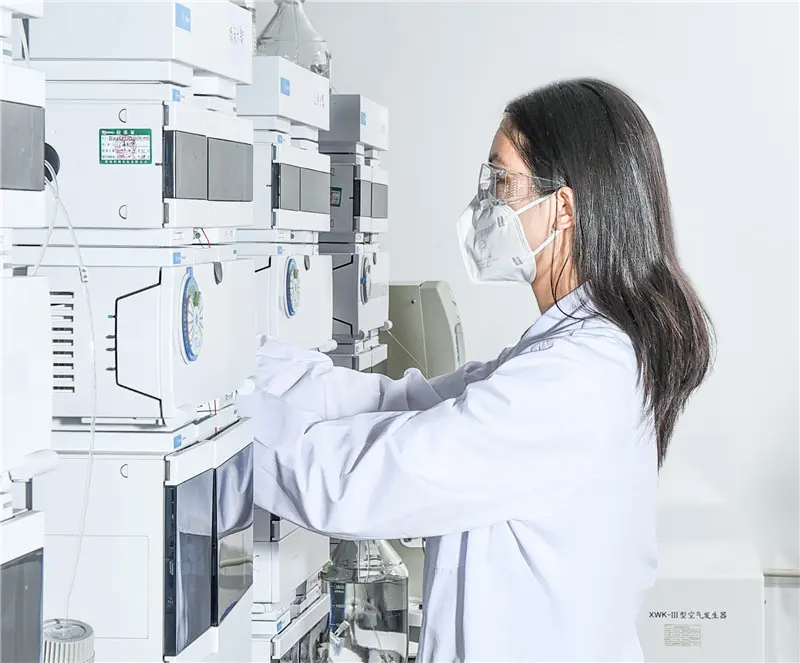
Engage directly with our senior phytochemical scientists, analytical chemists, and regulatory project leaders to audit our facilities, review chromatographic dossiers, or request an initial project feasibility evaluation.
