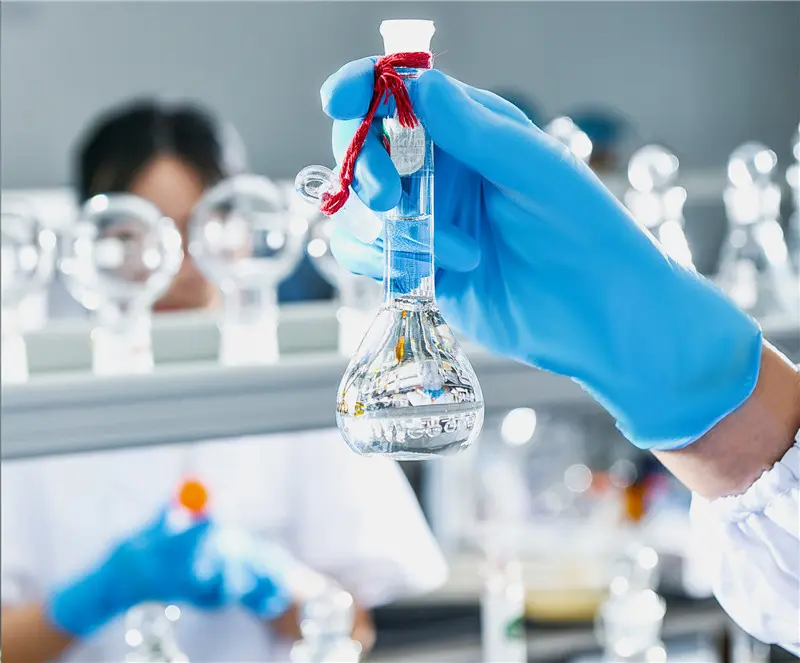
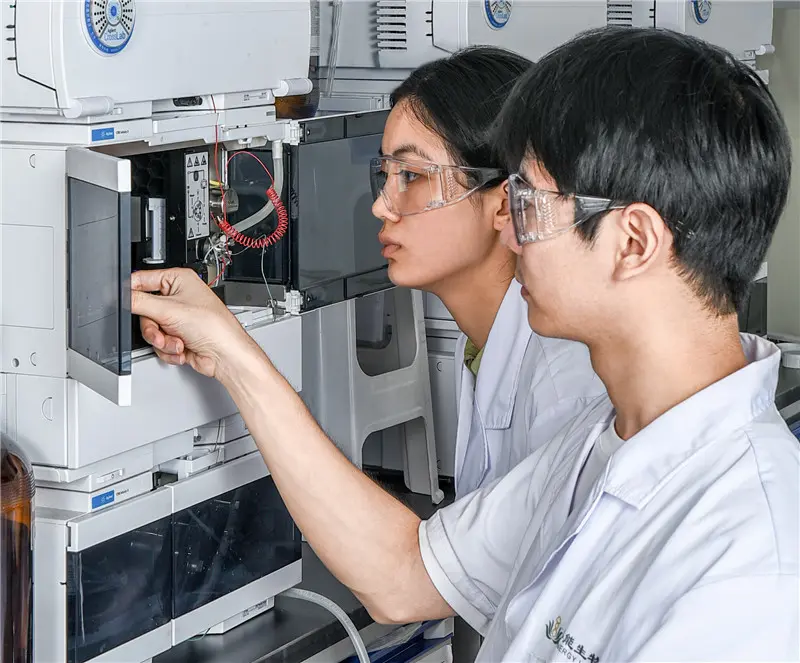
Direct access to qualified research models, chromatographic profiling platforms, and pre-formulation screening protocols.
Transitioning from rudimentary herbal compounding to quantifiable, mechanistic natural pharmacology.
The global pharmaceutical and clinical nutraceutical sectors are navigating a systemic transformation. Historically, herbal drug formulation suffered from regulatory skepticism stemming from batch-to-batch inconsistency, ambiguous mechanisms of action, and volatile phytochemical profiles caused by climatic shifts. Today, international drug authorities—including the US FDA under the Botanical Drug Development Guidance for Industry and the European Medicines Agency (EMA) Committee on Herbal Medicinal Products (HMPC)—require rigorous characterization comparable to synthetic small molecules.
Operating as an enterprise-grade OEM herbal drug formulation supplier requires moving beyond standard extraction. True contract development demands comprehensive botanical CMC (Chemistry, Manufacturing, and Controls), definitive chromatographic fingerprinting, genotoxicity risk clearing, and translational pharmacological modeling. MedGence (Yineng Pharma) operates at this scientific nexus, leveraging over 14 years of dedicated CRO/CDMO infrastructure to establish reproducible chemical consistency across inherently heterogenous organic matrices.
Botanical drug substances rely on multi-component synergy rather than isolated synthetic monocultures. Our development matrix documents batch equivalence via orthogonal HPLC, GC-MS, and LC-MS-MS fingerprinting across consecutive harvest years.
ICH Q2(R1) ValidatedComplete safety clearance mitigating toxicological liabilities. Comprehensive testing protocols including OECD-compliant Ames tests, in vitro micronucleus assays, chromosomal aberration screens, and GLP-grade sub-chronic animal toxicopathology.
OECD & FDA S2(R1)Overcoming low gastrointestinal absorption and rapid phase II metabolic clearance of native polyphenols, glycosides, and alkaloids via microencapsulation, phytosomal complexation, and self-emulsifying drug delivery systems (SEDDS).
Advanced NanocarriersPhytochemical precision driven by computational chemometrics, low-temperature fractionations, and scalable pilot facilities.
| Development Stage | Technical Route & Infrastructure | Analytical & Characterization Stack | Target Deliverables & Milestones |
|---|---|---|---|
| Pre-Clinical Discovery | In silico molecular docking against disease targets; high-throughput phenotypic cellular assays. | UPLC-QTOF-MS target identification; chemometric clustering of active sub-fractions. | Hit-to-lead verification; candidate identification; preliminary cytotoxicity mapping. |
| Extraction Engineering | Supercritical CO2 with polar co-solvents; dynamic counter-current extraction; macroporous resin adsorption. | Multi-wavelength HPLC diode array detection; continuous impurity quantification. | Optimal solvent recovery index; active fraction enrichment (>60%); solvent residual zero-clearing. |
| Translational Validation | Disease-specific in vivo animal models (metabolic, oncological, neurological, immunological). | ELISA biomarker tracking; real-time PCR gene expression; histopathological slice analysis. | Dose-response curves; pharmacokinetic (PK/PD) profiles; defined therapeutic window. |
| Formulation Scaling | Fluidized-bed spray granulation; lipid nanoparticle coating; controlled-release matrix compaction. | Dissolution apparatus USP I/II/IV; stability chambers under ICH climatic zones IVa/IVb conditions. | Finished solid/liquid dosage forms; commercial process validation batches (c-GMP). |
Harnessing automated cleanroom automation, digital process tracing, and direct proximity to vast botanical resources.
Continuous parameters monitoring across solvent flow, thermal evaporation pressure, and vacuum drying profiles eliminates manual human error across multi-ton production cycles.
Direct supply contracts across provincial Good Agricultural Practices (GAP) farming cooperatives ensure strict control over heavy metal absorption, pesticide residuals, and botanical authentication.
Temperature-controlled warehouse zones preserve thermolabile compounds such as volatile terpenoids and sensitive polyketides from oxidative degradation prior to industrial loading.
Laboratory Information Management Systems maintain complete data integrity compliant with FDA 21 CFR Part 11, tracking every test aliquot from raw leaf to packaged commercial release.
Overcoming stringent regulatory barricades across North American, European, and Asian target jurisdictions.
Comprehensive assistance compiling NDI (New Dietary Ingredient) notifications, GRAS (Generally Recognized As Safe) dossiers, and IND/NDA modules for botanical therapeutics in adherence to USP guidelines.
USP & FDA Guidance AlignmentWell-established and traditional use dossier compilation for Well-Established Use (WEU) and Traditional Herbal Medicinal Products (THMPD), with meticulous compliance on pyrrolizidine alkaloids and PAH limits.
EMA / Ph. Eur. HarmonizedSupport for Chinese NMPA hospital preparation filings, TGA complementary medicine listings in Australia, and ASEAN Harmonization standards for herbal health products.
NMPA, TGA & ASEAN CompliantDefinitive operational answers for procurement executives, quality assurance directors, and pharmaceutical formulators.
Accelerate your clinical pipeline or expand market presence with our validated contract manufacturing offerings.