Integrated pharmaceutical validation and botanical extraction platforms engineered to accelerate the route from crude biomass to high-purity clinical materials.
The botanical extract industry has transitioned from rudimentary solvent maceration to high-efficiency, precision-engineered thermodynamic and fluidic separation systems. Global procurement requirements demand higher stoichiometric yields, solvent-free residual guarantees, and reproducible therapeutic concentrations.
Operated above critical thermodynamic points (31.1°C, 73.8 bar), SFE-CO₂ serves as an unexcelled solvent for non-polar lipophilic fractions, essential oils, and terpenes. Eliminates thermal degradation of heat-sensitive compounds and guarantees zero solvent residual footprint across export-regulated pharmaceutical tiers.
Harnessing non-thermal acoustic cavitation, micro-bubbles induce physical shear stress, disrupt cell walls, and enhance mass transfer coefficients. Drastically reduces solvent consumption and processing duration while maximizing target flavonoid and glycoside yields.
Employs localized dipolar dielectric heating directly within plant cells, inducing vapor-pressure rupture of internal cellular structures. Yields targeted polyphenolic recoveries with exceptional solvent efficiency and rapid operational scalability for industrial volumes.
Leverages high hydrostatic pressures (50–150 bar) to preserve solvent liquid states above atmospheric boiling temperatures. Disperses surface tensions to rapidly desorb analytes bound to biomass matrix sites without degradation.
Leverages substrate-specific enzymatic degradation (cellulases, pectinases, and proteases) to hydrolyze complex cell-wall polysaccharide networks, liberating embedded target compounds under biologically mild processing profiles.
Synthetic dynamic polymeric adsorption platforms optimized for selective binding affinity, separating total saponins, ginsenosides, or anthocyanins from crude broths with high recovery ratios and recyclable operational economies.
Operating from Changsha, Hunan—a core hub of Traditional Chinese Medicine (TCM) sourcing and botanical science—our CDMO infrastructure combines agrarian origin traceability with fully automated continuous countercurrent extraction.
Integrated sourcing protocols monitor plant phenology, seasonal altitude variance, and harvest timing across geo-authentic (Daodi) botanical regions, establishing baseline purity before biomass enters pilot-plant receiving docks.
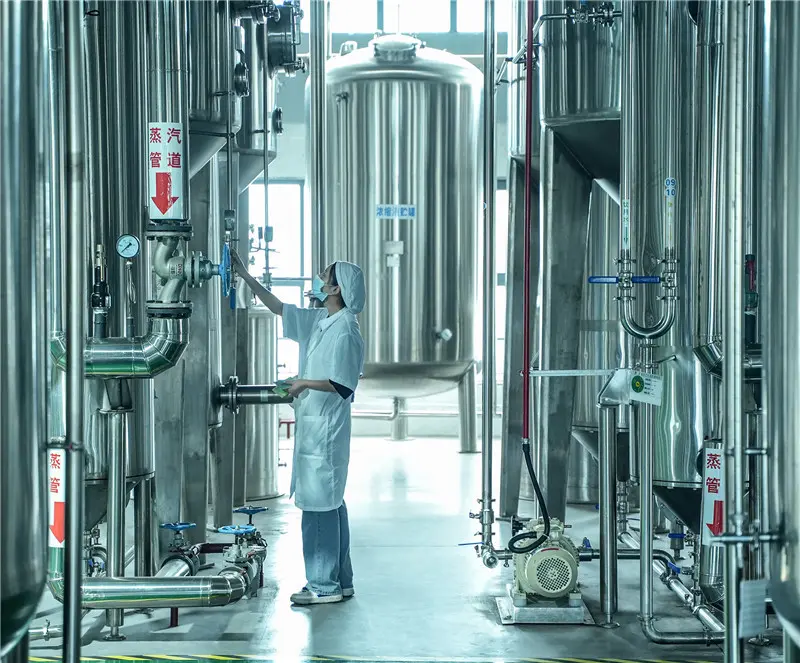
Automated countercurrent extractors and multistage falling film evaporators guarantee precise residence times, closed-circuit solvent recycling, reduced thermal stress, and lower unit production costs compared to Western CDMO facilities.
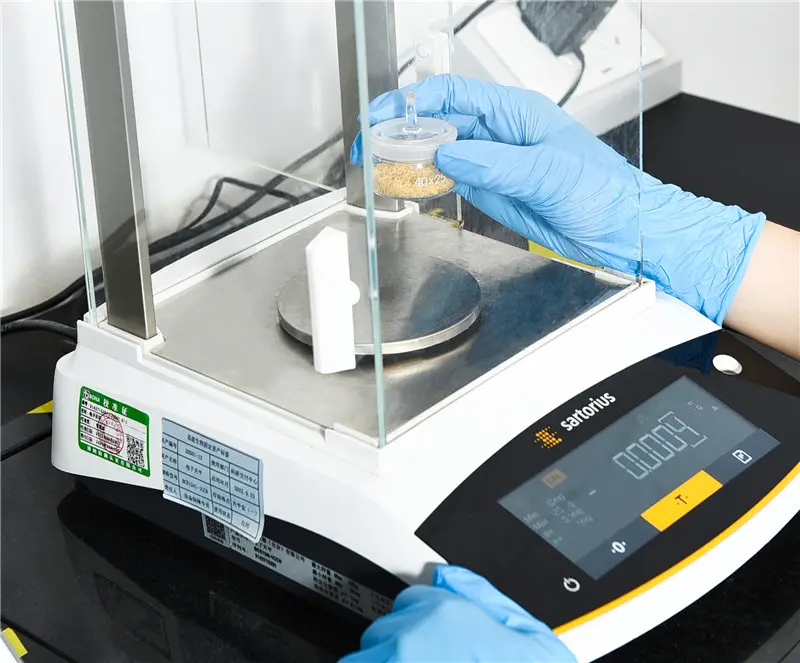
Cleanroom environments and production facilities comply with cGMP, US-FDA 21 CFR Part 111/211 standards, and EMA monograph controls. Validated testing protocols verify pesticide screening, heavy metal limits, and microbiological safety.
Botanical active ingredients require custom physical forms and particle designs depending on regulatory frameworks and consumer administration preferences across target geographic markets.
For chemical and botanical drugs requiring stringent regulatory pathways (FDA IND, NMPA Class 1/2), our laboratories isolate distinct phytochemical single-molecules and standardized multi-component mixtures supported by GLP preclinical toxicological dossiers.
Serving North American and European nutraceutical markets with free-flowing spray-dried powders, standardized marker percentages (via HPLC/UV), water-soluble micro-encapsulations, and granulations suited for direct-compression tablets and hard gelatin capsules.
Cosmetic formulations require low-color, low-odor, and high-clarity plant extracts. We supply clarified liquid extracts, non-precipitating hydrosols, and liposomal encapsulations verified by in vitro transdermal penetration and keratinocyte anti-inflammatory assays.
Procurement directors and biopharma sourcing managers are shifting from spot commodity buying to integrated contract development and manufacturing partnerships (CDMO), prioritizing several structural requirements:
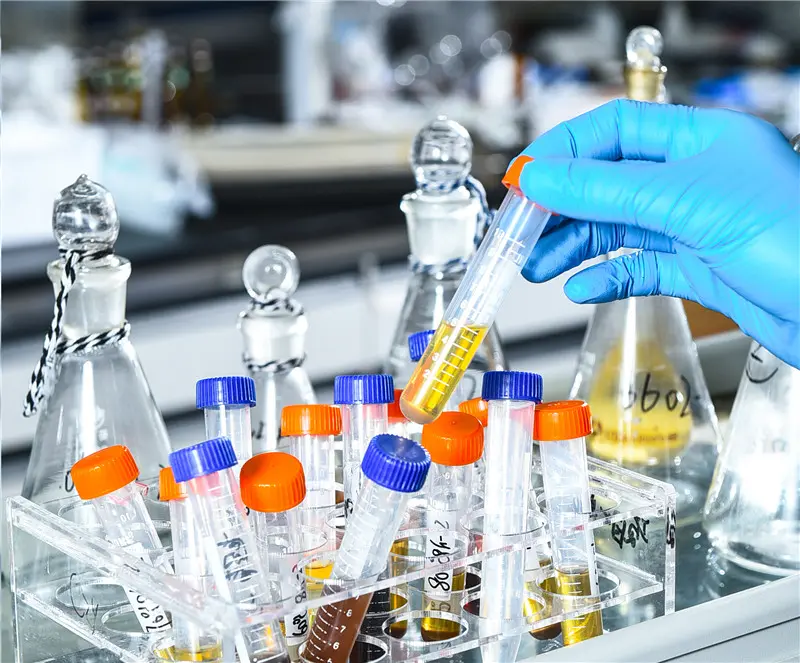
Global regulators demand multi-wavelength HPLC, LC-MS/MS, and HPTLC fingerprints that confirm whole-matrix chemical profiles and verify absent adulterants.
Heightened scrutiny from the European Medicines Agency (EMA) and US FDA regarding residual organic solvents (ICH Q3C) drives the transition to green solvent systems.
Sponsors avoid fractured R&D paths. Pairing contract preclinical discovery (in vitro/in vivo assays) directly with pilot manufacturing mitigates scale-up risks.
Advanced procurement focuses on improved kinetic absorption profiles through liposomal delivery, self-emulsifying drug delivery systems (SEDDS), and targeted micronization.
Key engineering, quality assurance, and manufacturing considerations addressed by our bioprocess science team.
Review verified pilot products and preclinical development capabilities engineered for international commercial distribution.