Explore our integrated discovery, analytical standardization, animal testing, and Phase I to Phase IV human clinical services engineered for global pharmaceutical and botanical nutraceutical market authorizations.
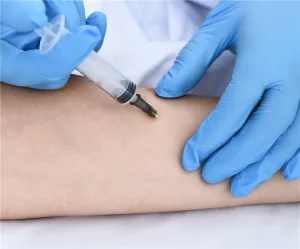
Full GCP-compliant human trial execution across healthy cohorts and multi-center target patient groups for NDA and health claim validation.
ODM Clinic study (Phase1 - Phase 4) Manufacturer, Suppliers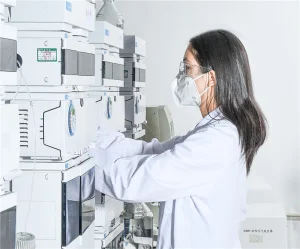
Precision HPLC, GC, HPTLC, and chromatographic fingerprinting to isolate, identify, and quantify complex plant molecules and metabolites.
China Establishment of analysis methods of active ingredient(s) Supplier, Suppliers
Comparative geographical and chronobiological evaluation of raw botanical herbs to ensure therapeutic potency and batch stability.
ODM Study and evaluation of the potency of the botanical active ingredient(s) from different seasons and different origins. Manufacturer, Suppliers
Bioassay-guided fractionation and phenotypic screening targeting active alkaloids, polysaccharides, and saponin fractions.
China Screening of the active ingredient(s) of plants Manufacturer, Manufacturers
Translational animal disease models validating metabolic, immunomodulatory, neuroprotective, and anti-inflammatory efficacy.
OEM Animal study Supplier, Suppliers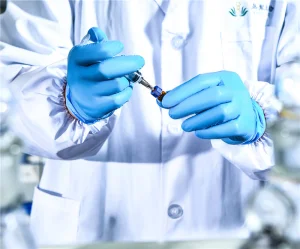
Target receptor affinity, enzyme inhibition, free-radical clearance, and cellular bioactivity profiling prior to human clinical translation.
OEM In Vitro Test /Research Service Manufacturers, Suppliers
Resolving bioavailability, organoleptic challenges, stability, and excipient compatibility for commercialized natural medicines.
Explore Formulation Research & Process Studies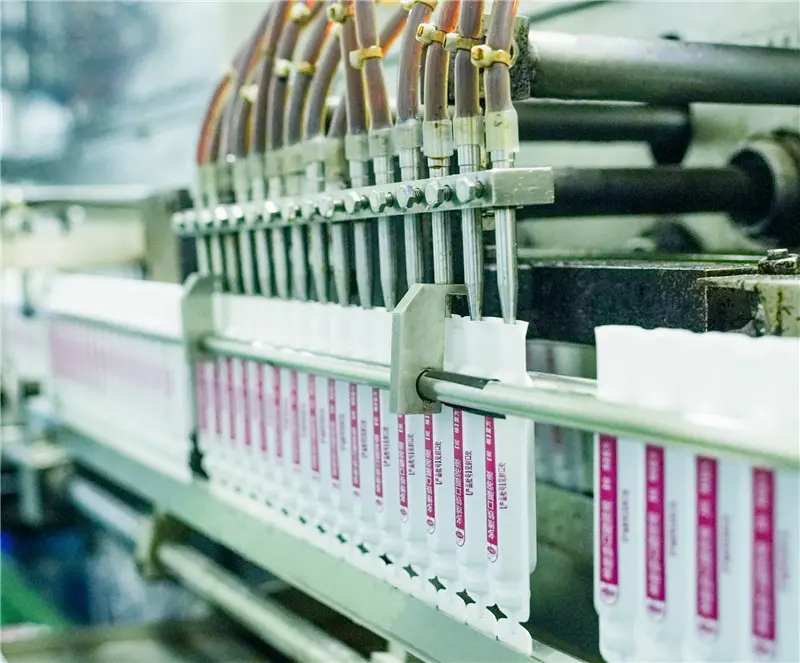
GMP certified commercial delivery of clinical-grade IMPs and retail products: oral liquids, tablets, softgels, capsules, and granules.
Request Specifications & Commercial CatalogA rigorous examination of shifting regulatory imperatives, cross-border clinical trial outsourcing, and the transition from anecdotal folklore to randomized, double-blind, placebo-controlled human trials.
The global phytopharmaceutical and nutraceutical landscape is undergoing an unprecedented structural transformation. Driven by heightened oversight from the United States Food and Drug Administration (FDA) Botanical Drug Guidance, the European Medicines Agency (EMA) Committee on Herbal Medicinal Products (HMPC), and the National Medical Products Administration (NMPA) in China, commercial claims can no longer rely on historical precedent alone. Global consumers, healthcare practitioners, and statutory payers demand clinical validation derived from rigorous, GCP-compliant human trials.
An ODM The Human Trial Supplier serves as a foundational link between high-throughput screening and international regulatory dossiers. As botanical formulations contain hundreds of synergistic secondary metabolites, human clinical investigations must demonstrate targeted biological efficacy, metabolic pharmacokinetics (PK), safety biomarkers, and reproducible therapeutic endpoints across diverse patient populations.
Unlike synthetic single-molecule chemical entities, botanical investigational medical products (IMPs) present immense challenges in trial uniformity. Natural harvest variations, soil mineralogy, and extraction kinetics induce batch-to-batch fluctuation that can compromise clinical reproducibility. A specialized human trial supplier must maintain integrated control over raw botanical materials, utilizing multi-wavelength chromatographic fingerprinting, HPTLC, and HPLC quantification.
By controlling every stage from botanical provenance to finished dosage form encapsulation, MedGence eliminates the confounding variables that often cause commercial clinical trials to fail. Our integrated CRO and CDMO framework ensures that the investigational product administered in Phase I mirrors precisely the commercial batch produced in multi-ton quantities for retail distribution.
A turnkey operational workflow engineered to navigate ethical review boards (IRB/IEC), patient enrollment, bioanalytical quantification, and data management for both drug candidates and dietary supplements.
Conducted in healthy human volunteers (20–80 subjects) under close medical monitoring. Our clinical protocols identify maximum tolerated doses (MTD), adverse event incidence, dose-limiting toxicities, and the systemic bioavailability of parent compounds versus secondary hepatic metabolites.
Targeted clinical trials in specific patient cohorts (100–300 subjects) presenting the indicated pathology. Evaluates biological response, optimal dosing windows, and validates secondary therapeutic surrogate endpoints to power future confirmatory trials.
Large-scale multi-center clinical trials (1,000–3,000+ patients) across diverse demographic clusters. These trials generate the definitive statistical safety and efficacy data required for New Drug Applications (NDA) and health insurance reimbursement inclusion.
Post-marketing surveillance programs capturing long-term drug-herb interactions, rare adverse events, and real-world clinical effectiveness across hundreds of thousands of registered consumer and patient interactions.
Tailored specifically for dietary supplement brands seeking legally sound structure-function claims (e.g., joint mobility, cognitive focus, metabolic balance, sleep architecture) without triggering full pharmaceutical drug classifications.
Leveraging our track record of 56 registered hospital preparations, we bridge in-hospital empirical clinical formulas into standardized commercialized preparations through controlled observational and pilot cohort trials.
Examining the intersection of digital therapeutics, wearable biosensors, and artificial intelligence in modernizing human clinical trial protocols.
| Technological Pillar | Legacy Human Trial Bottleneck | MedGence AI & ODM Clinical Solution | Regulatory & Commercial Impact |
|---|---|---|---|
| Decentralized Clinical Trials (DCT) | Geographically restricted patient enrollment, high site drop-out rates, intermittent in-clinic physical visits. | Direct-to-patient (D2P) trial medication logistics, mobile nursing, continuous biometric sensor tracking, and multilingual e-consent portals. | Accelerates cohort recruitment timelines by 45%, achieves 92% retention rate, and broadens demographic heterogeneity. |
| AI Biomarker Discovery & Omics | Inability to untangle multitarget network effects and broad holistic biological reactions of herbal formulas. | High-dimensional transcriptomics, metabolomics, and machine learning models predicting clinical responder sub-populations. | Enables precision medicine stratification, elevating Phase II/III statistical significance (p-values < 0.001). |
| High-Tech Placebo Matching | Botanical taste, characteristic bitter terpenes, pungent aroma, and dark colors make true blinding extremely difficult. | Proprietary spray-drying microencapsulation, natural inert odor-masking technology, and spectrophotometric color matching. | Guarantees absolute double-blind trial validity, passing rigorous FDA and European Medicines Agency audit standards. |
| Continuous Real-Time Data (EDC) | Delayed manual paper transcription, data entry latency, and retrospective human error in adverse event logging. | 21 CFR Part 11 compliant cloud electronic data capture, automated anomalous data auditing, and real-time biometric telemetry. | Instant safety signal alerts, uninterrupted trial compliance, and audit-ready electronic datasets for immediate NDA filings. |
Deployment of proprietary large language models trained on global botanical clinical literature and TCM hospital records to simulate trial power, predict adverse events, and optimize patient inclusion criteria prior to clinical commencement.
Integration of non-invasive wearable interstitial fluid monitors and point-of-care transcriptomic testing to dynamically evaluate botanical pharmacodynamics and immune responses during ongoing clinical trials.
Utilizing MedGence's extensive database of hundreds of thousands of research batches and past clinical cohorts to construct regulatory-grade virtual control groups, significantly cutting trial costs and ethical placebo dilemmas.
Tailored trial protocols engineered to satisfy diverse regional health authorities while accelerating commercial market penetration.
In the United States, botanical candidates pursue either the 505(b)(2) Botanical Drug Guidance route or DSHEA structure-function claims. MedGence structures IND (Investigational New Drug) clinical protocols adhering to strict Chemistry, Manufacturing, and Controls (CMC) standards, backed by validated bioanalytical assays and ethical human trial execution.
European markets require adherence to EMA HMPC monographs for "Well-Established Use" or "Traditional Herbal Medicinal Products" (THMPD). For novel foods and health claims, European Food Safety Authority (EFSA) guidance requires demonstrating a cause-and-effect relationship in healthy human trials.
In Asian markets, our Changsha headquarters and collaborative network across Tier-1 university hospitals provide unprecedented clinical infrastructure. We support NMPA Class 1 & 2 Innovative Modern TCM submissions, Japanese Kampo modernization, and Australian Therapeutic Goods Administration (TGA) Listed/Registered medicines.
How MedGence addresses the structural vulnerabilities that traditional CROs fail to resolve in natural medicine research.
The Problem: Conventional CROs manage clinical logistics but possess zero manufacturing or phytochemical extraction capability. When trial batches run out or fail stability audits, development stalls for months.
The MedGence Solution: Integrated CRO + CDMO model. Our own GMP pilot plants produce both small-batch Investigational Medical Products (IMPs) and scale up commercial batches directly under the oversight of our scientific directors.
The Problem: Inability to verify which specific active constituent in a botanical complex causes clinical efficacy, leading to rejected patents and failed NDA reviews.
The MedGence Solution: In-house analytical method establishment using HPTLC, HPLC-MS, GC-MS, and finger-print matching. We correlate clinical biological response directly to specific compound fingerprints.
The Problem: Sponsoring companies fear the leakage of proprietary herbal formulation ratios, processing parameters, and extraction trade secrets during multi-center human studies.
The MedGence Solution: Strict entrusted research contract model under ironclad non-disclosure. Sponsoring clients retain 100% intellectual property ownership of all formulations, analytical methods, and trial datasets.
Our validated research and human trial capabilities support prestigious institutions including China Beijing Tongrentang Group, China Resources Sanjiu, Sunflower Pharmaceutical, Livzon Pharmaceutical, Dihon Pharmaceutical, Yangtzi River Pharmaceutical, and teaching hospitals like the Second Xiangya Hospital of Central South University and Shuguang Hospital affiliated with Shanghai University of TCM.
In-depth responses for procurement executives, Chief Medical Officers, and R&D Directors evaluating clinical CRO/CDMO partnerships.
Consult directly with our scientific leadership team to define clinical protocol endpoints, sample size calculations, placebo formulations, and GMP IMP supply. Contact our clinical trials department at [email protected].
Explore our core technological capabilities, spanning analytical verification, animal models, high-potency extraction, and multi-phase clinical study execution.
End-to-end clinical management, IRB submissions, patient recruitment, electronic data capture, and ICH-GCP compliant study reports.
ODM Clinic study (Phase1 - Phase 4) Manufacturer, Suppliers
Establishing chromatographic methods (HPLC, GC, HPTLC) for target quantification, identification, and batch consistency verification.
China Establishment of analysis methods of active ingredient(s) Supplier, Suppliers
Systematic quantification of active molecule density across various harvesting regions and seasonal windows to ensure source consistency.
ODM Study and evaluation of the potency of the botanical active ingredient(s) from different seasons and different origins. Manufacturer, Suppliers
Target-directed bioassay screening, separating high-potency saponins, flavonoids, and active phytochemical compounds.
China Screening of the active ingredient(s) of plants Manufacturer, Manufacturers
Validating therapeutic efficacy, acute toxicity (LD50), chronic toxicity, and pharmacokinetic absorption in animal cohorts.
OEM Animal study Supplier, Suppliers
High-throughput cellular modeling, enzymatic pathways, antioxidant capacity, and receptor binding assays for candidate compounds.
OEM In Vitro Test /Research Service Manufacturers, Suppliers
Re-engineering classic herbal prescriptions into modernized, high-bioavailability solid and liquid preparations.
Access Formulation & Quality Specifications
Scalable contract development and commercial manufacturing for oral liquids, tablets, softgels, capsules, and granules.
Request Full CDMO Production Catalog