Analytical Science
View Service Details
Explore our fully verified CRO and ODM manufacturing workflows engineered to satisfy rigorous toxicological, pharmacological, and quality-audit standards worldwide.





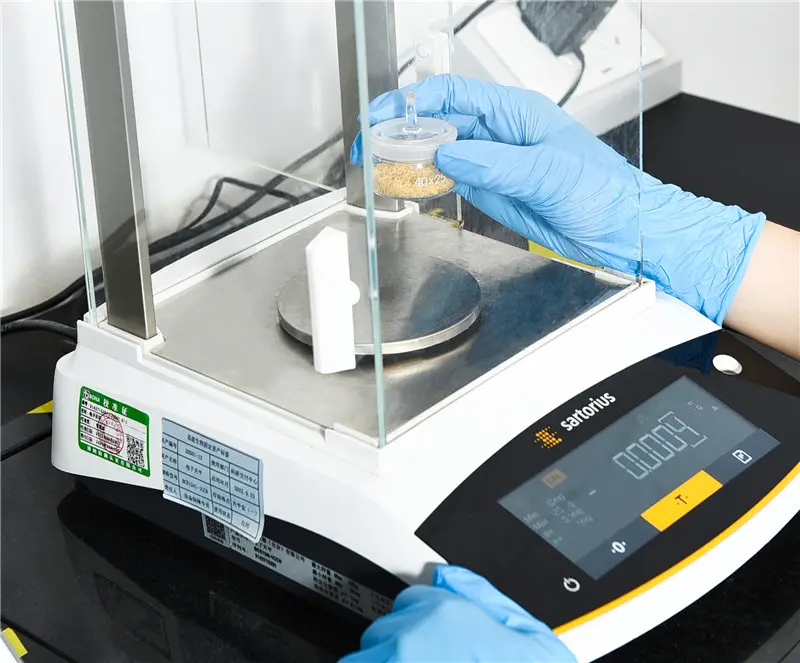
Global regulatory authorities such as the US FDA, EMA, and NMPA are transitioning from basic batch release testing toward Quality by Design (QbD) paradigms, multi-spectral fingerprinting, and exhaustive toxicological screening.
Modern export benchmarks enforce parts-per-billion (ppb) testing for organochlorine pesticides, heavy metals (Pb, Cd, As, Hg), mycotoxins, and elemental impurities according to USP <232>/<233> and Ph. Eur. 2.8.13.
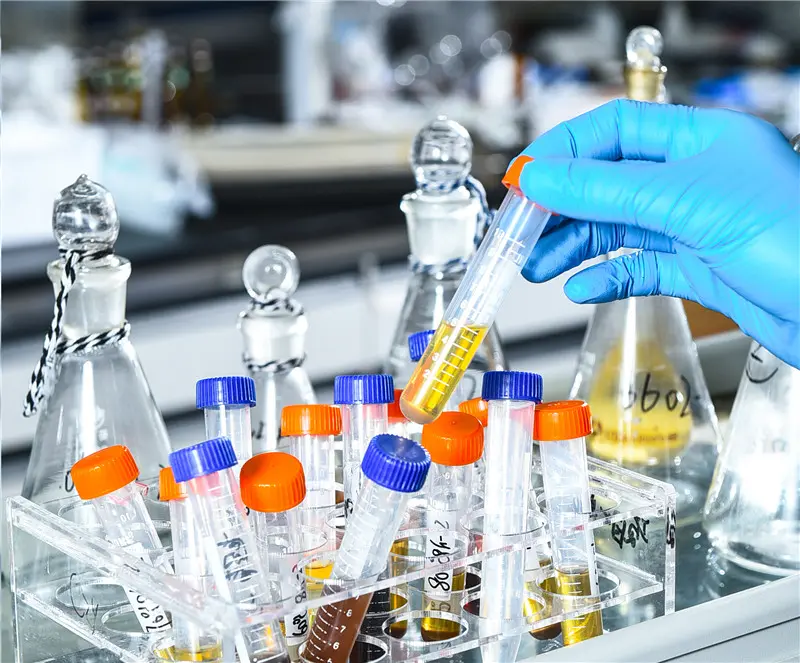
Moving past single-analyte verification, top tier suppliers establish multidimensional HPLC, HPTLC, and LC-MS/MS fingerprinting to prevent species adulteration and maintain consistent therapeutic substance profiles.
Commercial botanical dossiers mandate GLP-accredited acute oral toxicity (LD50), Ames test bacterial reverse mutation, in vitro chromosomal aberration, and 90-day subchronic rodent toxicity dossiers.
Modern dietary supplement conglomerates, cosmeceutical developers, and botanical drug sponsors prioritize supply chain traceability, reproducible batch kinetics, and audit-ready regulatory dossiers.
Complete batch manufacturing records (BMR), Certificates of Analysis (CoA) with validated analytical method validation (ICH Q2(R1)), and Drug Master Files (DMF).
Botanical actives naturally fluctuate with seasonal variations. Sourcing partners demand precision blending protocols guaranteeing active marker recovery within strict ±5% tolerances.
Contract research requires strict legal non-disclosure covenants, ensuring novel extraction processes, formulation ratios, and cellular bioassay mechanisms remain proprietary to the client.
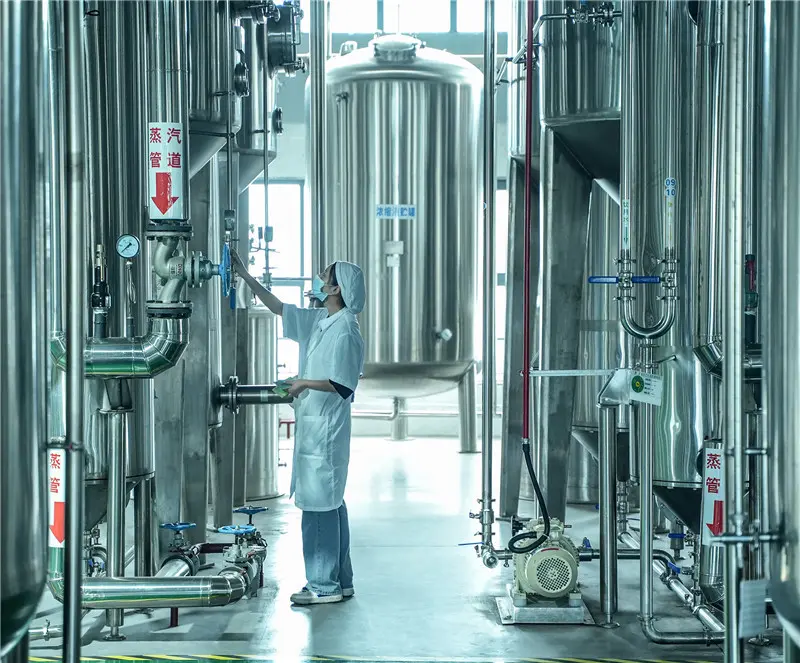
Seamless scalability from benchtop micro-extractions (500g) up to automated multi-ton pilot vessels without precipitation, denaturing, or thermal degradation.
Built on 14+ years of rigorous scientific trials with pharmaceutical titans, accredited hospitals, and university research institutes across the world.
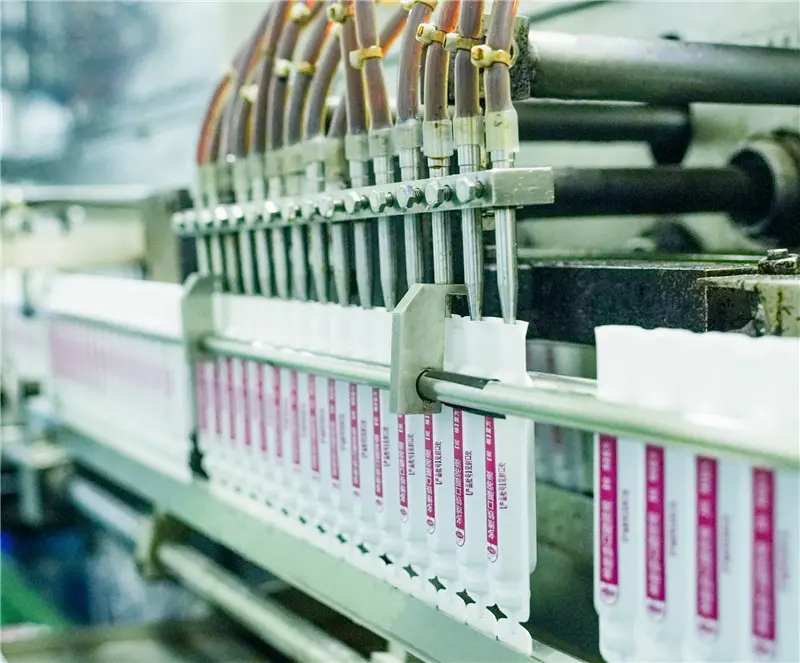
Overcoming botanical variance through an orchestrated 6-stage scientific workflow that converts raw biomass into market-ready dosage forms with ironclad safety documentation.
Active ingredient fingerprinting across geo-origins and harvest seasons to secure raw materials with highest active molecular density and optimal extraction yields.
Development and ICH validation of HPTLC, HPLC, and GC methods to define quantitative impurity thresholds, assay formulas, and reference spectrum standards.
Engineering extraction kinetics, supercritical CO2/solvent purification, and lyophilization/spray-drying to maximize active yield while mitigating solvent residues.
Execution of in vitro cell receptor assays, animal disease models, LD50 acute screening, and chronic genotoxicity evaluations for definitive regulatory clearance.
Our analytical pipelines and manufacturing processes are validated against strict operational audits conducted by leading national pharmaceutical groups and university hospital laboratories.
Anticipating regulatory tightening and environmental mandates, our engineering divisions are establishing intelligent, decarbonized, and high-bioavailability technologies.
Leveraging proprietary in silico bioactivity matching models trained on 100,000+ extraction test sets to simulate cellular pathway interactions and predict adverse toxicities prior to wet-lab synthesis.
Industrial scale migration toward subcritical water extraction and closed-loop supercritical CO2 fractionation, eliminating hazardous class-2 volatile solvents and guaranteeing solvent residue levels at <1 ppm.
Developing advanced liposomal delivery vehicles, self-emulsifying drug delivery systems (SEDDS), and cyclodextrin inclusion complexes to resolve poor mucosal permeability and gastrointestinal instability in sensitive phytosterols.
Clear, technically precise answers for procurement managers, regulatory affairs leads, and Chief Scientific Officers.
Connect with our engineering and research teams to schedule pilot batch production, analytical method verification, or complete regulatory dossiers.