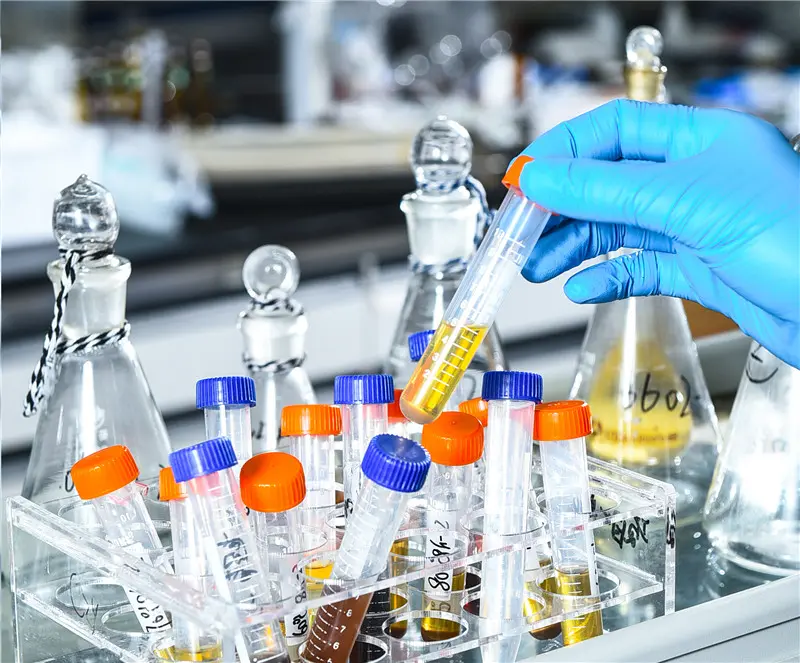
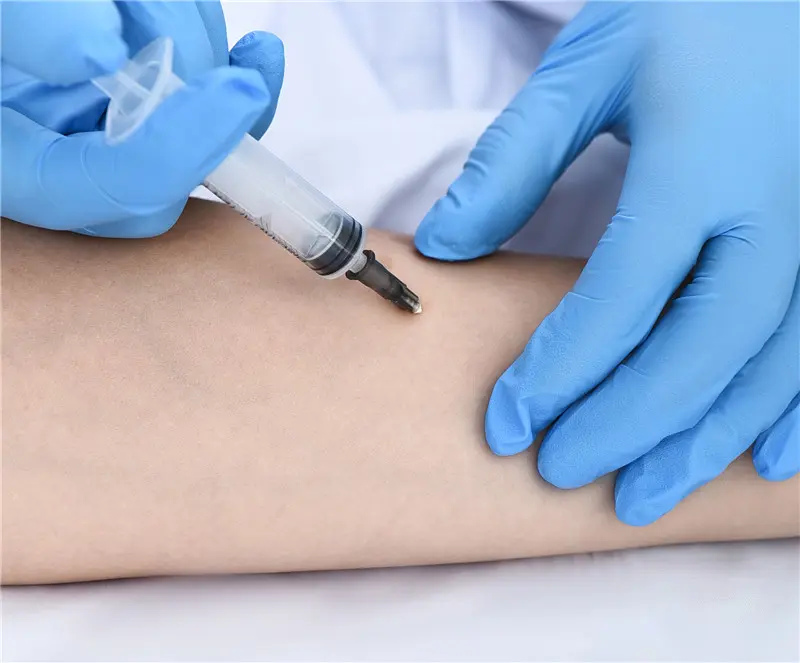
From botanical chemical fingerprinting and animal safety dossiers to cGMP continuous formulation, explore our certified research pathways.






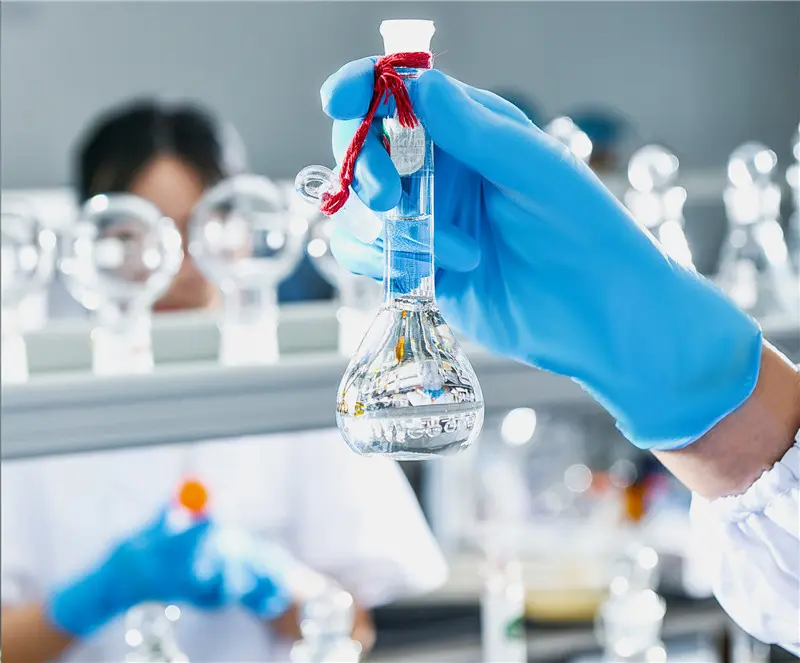
In modern biopharmaceutical synthesis, phytotherapy, and high-potency nutraceutical formulation, the concept of a Safe Dosage extends far beyond basic organoleptic palatability or generic gravimetric encapsulation. As a premier ODM safe dosage manufacturer, MedGence (Yineng Pharma) formalizes safe dosage engineering through the intersection of multi-target pharmacokinetic profiles, narrow therapeutic windows, Cytochrome P450 (CYP450) metabolic pathways, and systematic toxicological thresholds.
Traditional herbal preparations often suffer from significant batch-to-batch chemical divergence due to geographic origin variations, fluctuating soil micro-ecologies, and unmonitored harvest periods. When transitioning complex botanical phytochemicals into commercial formulations—such as oral solid doses, delayed-release softgels, or standardized liquid extracts—imprecise dosing can precipitate severe bio-accumulation, competitive liver clearance inhibition, or absolute therapeutic failure. Modern OEM/ODM manufacturing demands the establishment of empirical No Observed Adverse Effect Levels (NOAEL), Lowest Observed Adverse Effect Levels (LOAEL), and rigorous human equivalent dose (HED) calculations prior to mass commercialization.
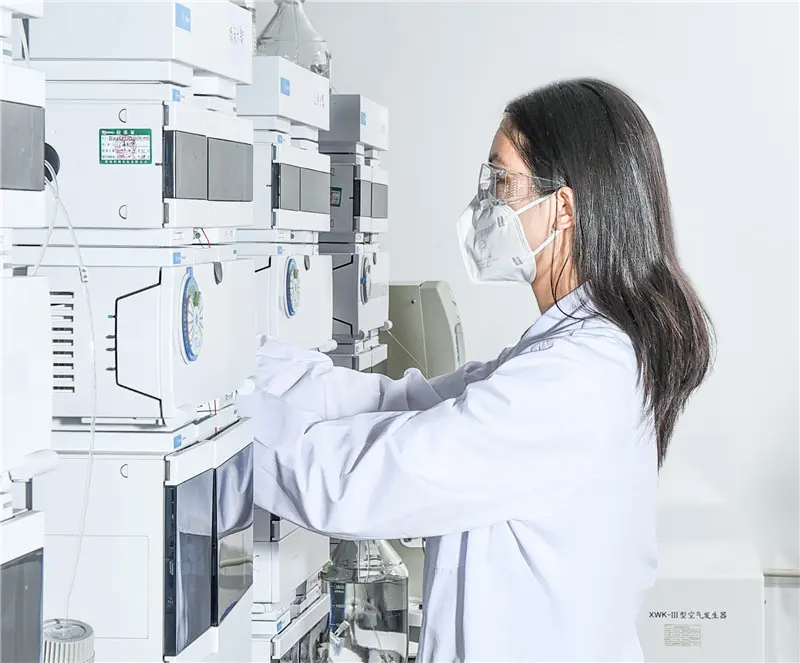
Standardized Safety Paradigm: Safe dosage determination incorporates high-resolution fingerprint chromatography (HPLC-MS/GC-MS) coupled with in vitro cellular toxicity assays, allowing ODM manufacturers to map phytochemical therapeutic indexes (TI = TD50 / ED50) down to picogram accuracy.
With over 14 years of specialized natural medicine CRO and CDMO operations, having modernized 83 classical Traditional Chinese Medicine (TCM) formulas and engineered 22 innovative natural drug entities, our manufacturing infrastructure bridges classical therapeutic knowledge and western pharmacokinetic safety standards. Achieving an optimal safe dosage requires a multi-phase computational and laboratory trajectory:
Every commercial safe dosage formulation engineered at our facilities includes complete technical dossiers ready for FDA NDI, EU Novel Food, and TGA Listed Medicine submissions:
Our proprietary Quality-by-Design (QbD) formulation process ensures that batch homogeneity varies by less than ±1.5% across production scales up to 500,000 finished units daily.
Years CRO/CDMO Experience
Full-Time Research Scientists
Classic Formulas Modernized
Single Herb Safety Specs Set
How vertical integration from indigenous raw material cultivation to pharmaceutical-grade continuous processing empowers cost resilience and technical leadership.
China possesses over 11,000 medicinal plant species. Our facility operates deep supply ties across authenticated "Dao Di" producing regions. By analyzing geographic variations in altitude, rainfall, and rhizosphere microbiota, we select raw herbs displaying the highest active chemical compound yield, securing the baseline for safe, unadulterated starting material.
Bridging benchtop R&D and high-volume commercialization often results in thermal degradation or loss of bioavailability. Our Hunan pilot plants feature dedicated supercritical CO2, macroporous resin adsorption columns, and continuous spray crystallization systems that transition micro-batches into 10-metric-ton output without altering the safe dosage profile.
Western contract development organizations frequently encounter prolonged lead times and excessive analytical fees. By utilizing our centralized laboratory of over 300 multidisciplinary researchers and direct access to domestic manufacturing clusters, global clients realize a 40–60% reduction in total development expenditures while compressing cycle times by months.
Navigating complex multi-regional statutory parameters to guarantee commercial distribution legality, consumer safety, and seamless regulatory customs clearance.
| Target Jurisdiction | Governing Agency & Standard | Critical Safe Dosage Constraints | MedGence Testing & Dossier Support |
|---|---|---|---|
| United States | US FDA (21 CFR Part 111 / Part 210/211; DSHEA; NDI) | Must not present a significant or unreasonable risk of illness or injury under proposed conditions of use. NDI safety margin must exceed 100x NOAEL. | 75-day New Dietary Ingredient (NDI) notifications, GRAS safety dossiers, USP heavy metals (<2232>), pesticide screens (<561>). |
| European Union | EFSA / EMA (Directive 2004/24/EC; Regulation EC 1924/2006) | Upper Safe Levels (UL) strictly enforced. Absence of mutagenic, clastogenic, or hepatotoxic active alkaloids (e.g., Pyrrolizidine alkaloids <1.0 µg/day). | EU Ph. Eur. monograph compliance, Ames genotoxicity, in vitro chromosomal aberration tests, LC-MS/MS trace contaminant limits. |
| China | NMPA / SAMR (GB 16740; Health Food Registration / Filing) | Dual-track system: Statutory nutrient safe dosage catalog vs. clinical evaluation requirements for botanical extract formulations. | Blue Hat registration dossier preparation, hospital preparation registration filings, animal safety and human efficacy clinical validation. |
| Australia & NZ | TGA (Therapeutic Goods Act 1989; ARGCM) | Listed medicines require pre-approved herbal substances with bounded daily dosages; unapproved dosages require Registered (AUST R) evaluation. | Electronic CTD formatting, compositional specification development, Certificate of Analysis (CoA) certified under PIC/S GMP standards. |
How tier-1 pharmaceutical brand managers, supply chain directors, and clinical sponsors select verified safe dosage manufacturing partners.
The Challenge: Batch inconsistency resulting from seasonal or climatic variables can cause unexpected potency swings, taking products out of their validated therapeutic safe zone.
Our Solution: Implementation of chromatographic fingerprinting standards that lock within ±2.0% chemical profile similarity coefficients, ensuring identical bioactive concentrations in every lot.
The Challenge: Import holds, FDA Warning Letters, and European rapid alerts (RASFF) due to residual solvents, micro-toxins, or unlisted toxic degradation products.
Our Solution: End-to-end trace testing covering polycyclic aromatic hydrocarbons (PAHs), ethylene oxide (EtO), aflatoxins, and 500+ multi-residue pesticide screens on gas chromatography tandem mass spectrometry.
The Challenge: Exposure of innovative, patent-pending synergistic ratios and extraction kinetics to third-party competitors during outsourced contract production.
Our Solution: Strict entrusted research and custom CDMO models governed by enforceable NDAs, air-gapped laboratory networks, and segregated production suites ensuring total formula isolation.
Next-generation delivery vehicles, artificial intelligence predictive formulation, and continuous processing methodologies defining the industry's future.
High doses of bioactive plant compounds like polyphenols, curcumins, and berberines frequently irritate gastric linings or exhibit under 5% oral bioavailability. To establish safe systemic exposure without elevating oral intake to dangerous thresholds, our engineering team deploys self-emulsifying drug delivery systems (SEDDS), phospholipid liposomal complexes, and enteric shell microencapsulation. These vehicles prevent premature gastric dissolution, reduce hepatic first-pass metabolism, and yield identical therapeutic bio-efficacy at a fraction of the raw active dose.
Traditional dosage modeling relies on extended in vivo mammalian assays. Modern ODM operations leverage machine learning architectures trained on vast historical phytochemical bioactivity datasets. Our computational platform screens chemical libraries against human cardiac potassium channels (hERG assay prediction), hepatocyte cytotoxicity models, and Cytochrome P450 competitive binding profiles in silico. This identifies prospective toxic metabolites and metabolic bottlenecks before moving into wet laboratory verification.
Conventional solvent maceration and batch extraction often use elevated thermal profiles that generate thermal isomers and artifacts, altering the pharmacological safety index of delicate herbal fractions. We utilize closed-loop, multi-fractionation supercritical fluid extraction (SFE-CO2) with inline optical spectroscopy. This ensures continuous real-time isolation of target molecular weights under oxygen-free conditions, entirely preventing carcinogenic oxidation byproducts.
The global pharmaceutical sector is steadily moving away from rigid "one-size-fits-all" standard unit doses. In response, MedGence develops micro-pelletized multi-particulate systems and multiphase dual-release capsules that permit customized titration schemes for specialized demographics—such as geriatric cohorts with diminished renal clearance or pediatric applications requiring tailored pharmacokinetic exposure curves.
Engineering customized safe dosages tailored to consumer usage settings, therapeutic categories, and medical environments.
For biopharmaceutical enterprises pursuing IND and NDA filings for botanical medicines, safe dosage demands rigorous preclinical toxicology. We have supported 56 hospital preparation registrations and 22 innovative drug programs, formulating high-purity single-herb active fractions and multi-component decoctions into pharmaceutical-grade oral liquids, lyophilized powders, and sustained-release tablets with full GLP/GCP compliance.
In global retail and direct-to-consumer wellness sectors, modern consumers demand concentrated adaptogens, cognitive nootropics, and metabolic enhancers. Our ODM safe dosage engineering creates chewable gummies, effervescent granules, and micro-tablets that optimize functional efficacy while remaining well within statutory dietary supplement safe daily intake limits.
Active botanical compounds applied to the dermal barrier can trigger localized sensitization, erythema, or systemic absorption toxicity if concentrations exceed safety thresholds. Our laboratory conducts thorough in vitro human skin model testing (EpiDerm) and patch testing to formulate topical lotions, anti-inflammatory creams, and serum vectors that maintain potent dermatological performance with zero irritancy.
In-depth technical answers addressing toxicology validation, supply chain integrity, and analytical assay procedures.
Access our laboratory services, potency evaluation assays, and specialized clinical trial protocols with complete non-disclosure protection.