Enterprise CRO & CDMO Whitepaper

ODM Phase III Manufacturer & Manufacturers: Industrial Scaling, GxP Compliance & Translational Excellence

Accelerating late-stage botanical therapeutics and complex active ingredient translation through validated analytical controls, automated high-throughput bioprocessing, and multi-center registrational trial synthesis.

Clinical & Analytical Services Matrix

Featured ODM Phase III Solutions & Preclinical Engines

Directly managed by our cross-functional teams to eliminate tech-transfer failure points across drug candidates, botanical actives, and specialized dosage configurations.

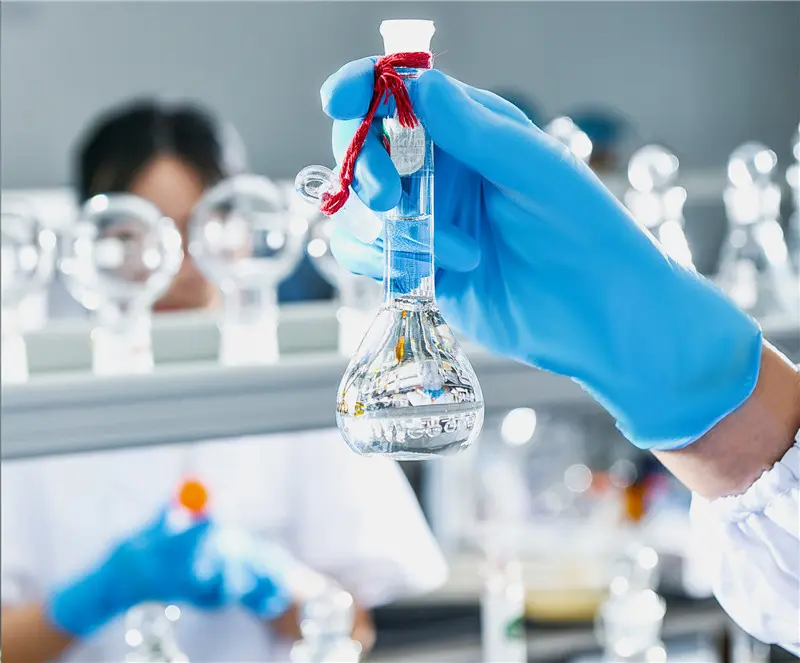
OEM In Vitro Test Research Service
OEM In Vitro Test / Research Service
Explore Capability
OEM Animal Study Supplier
OEM Animal Study & Preclinical Efficacy
Explore Capability
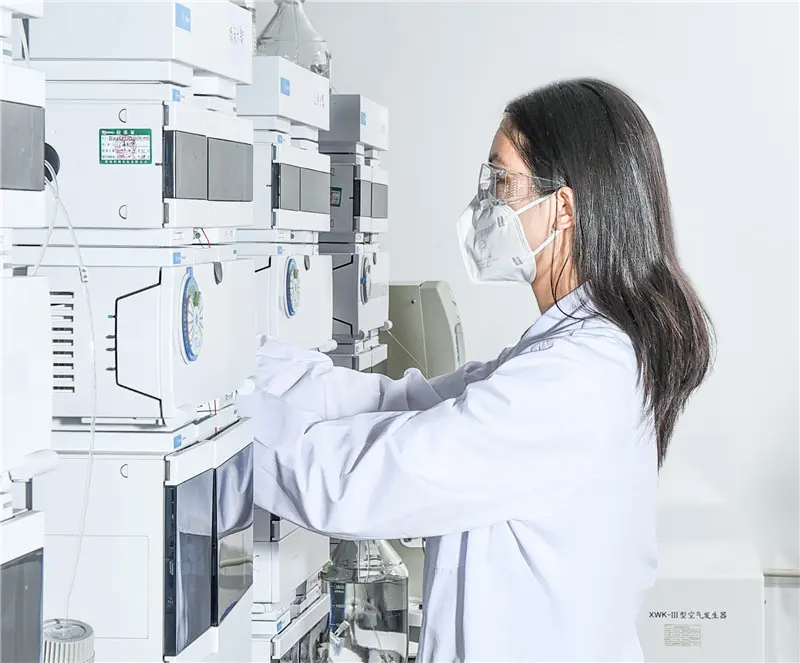
Analysis Methods of Active Ingredients
Explore Capability
ODM Clinic study Phase1 - Phase 4
ODM Clinical Study (Phase 1 - Phase 4)
Explore Capability
Screening of active ingredients of plants
Screening of Plant Active Ingredients
Explore Capability
Evaluation of botanical active ingredients
Potency Evaluation by Seasons & Origins
Explore Capability
Botanical Raw Material Screening
Target Identification & Lead Optimization
Explore Capability
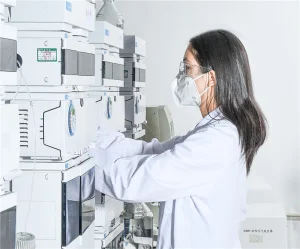
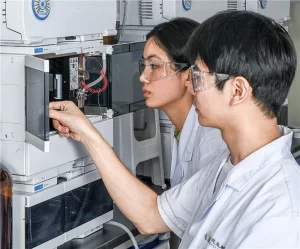
HPTLC and HPLC Fingerprinting Analysis
Chromatographic Fingerprinting (HPLC/GC)
Explore Capability
Strategic Transformation

Global Macro Trends in Phase III ODM Manufacturing

The late-stage pharmaceutical and high-tier botanical drug space demands a structural shift from simple toll extraction to complex Original Design Manufacturing (ODM) backed by multi-omic characterization.

Batch-to-Batch Fingerprint Consistency

Navigating FDA Botanical Drug Guidance or NMPA Class 1/6 natural medicine pathways requires multi-constituent chromatographic alignment. Modern Phase III contract manufacturers must guarantee reproducible phytochemical metabolomic ratios across commercial tonnages.

Continuous Countercurrent Chromatography

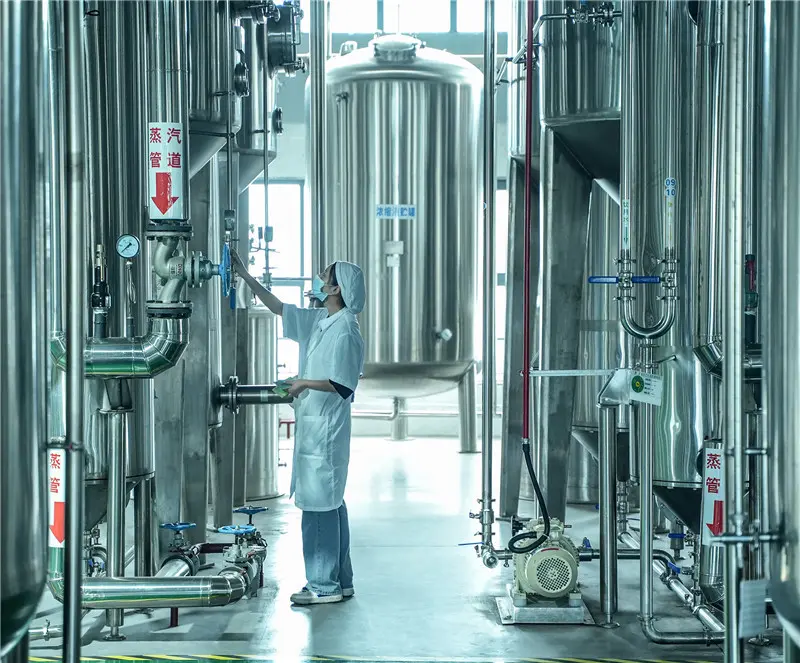
Moving beyond batch stirring tanks, Phase III industrialization is adopting continuous multi-stage supercritical extraction, resin membrane partitioning, and online process analytical technology (PAT) to strictly cap solvent residuals and thermal degradation.

Audit-Ready Electronic Batch Records (eBR)

Late-stage clinical batches require complete traceability from raw wildcrafted or cultivated herb origin through HPLC/HPTLC assay profiles to finished oral solid doses, ensuring compliance with 21 CFR Part 11 and international validation benchmarks.

14+
Years Specialized R&D Depth
300+
Dedicated Analytical & Study Personnel
400+
Established Botanical Quality Monographs
100+
Global Pharma & Hospital Trials Supported
Procurement Excellence

Meeting Global Enterprise Sourcing & Compliance Needs

Global biopharma sourcing managers navigating Phase III investigational materials confront four fundamental operational risks. Here is how specialized ODM engineering mitigates each vulnerability.

Ecosystem-Sourced Raw Material Variability

Botanical actives fluctuate across climate zones, harvest cut-offs, and ecological niches. Through geo-climatic potency modeling across different origins and harvest seasons, we identify optimum harvesting windows and lock down chemotypic stability prior to mass commercial extraction.

Proprietary IP & Molecular Secrecy

Phase III manufacturing represents the critical interface before intellectual property enters open-market production. Operating strictly on an entrusted contract research and manufacturing framework, clients maintain uncompromised exclusive ownership of master batch production records, patents, and chromatography libraries.

Heavy Metal & Genotoxic Purity Constraints

Strict pesticide limits, heavy metals, aflatoxins, and genotoxic residual solvents represent the top cause of import rejections. MedGence’s pilot and CDMO sites run ultra-trace ICP-MS and GC-MS/MS testing protocols exceeding USP <561> and EP European Pharmacopoeia safety specifications.

Full-Stack Delivery

Macro Pharmaceutical & Natural Product Solutions

Harmonizing laboratory screening, toxicology profiling, and large-scale industrialization under a unified technical governance umbrella.

Modern Classical TCM Formula Translation

Having completed modern scientific characterizations of 83 classic Traditional Chinese Medicine formulas and 22 innovative natural compounds, our team translates empiric historical efficacy into verifiable mechanism of action (MoA) packages for NDA and global botanical registrations.

Preclinical GLP Safety & In Vivo Translation

Bridge early discovery directly to Phase III trials with in vitro phenotypic assays, acute toxicity (LD50), chronic repeat-dose, and mammalian genotoxicity evaluations designed to pass FDA Investigational New Drug (IND) and registrational scrutiny.

Multi-Center Trial Design & Supply Coordination

We provide end-to-end execution of Phase I to Phase IV human clinical trials, covering patient enrollment strategies across accredited hospitals, GCP-compliant monitoring, randomized double-blind placebo packaging, and full statistical analysis reporting (SAR).

Core Mission & Scientific Vision

As articulated by our Scientific Leadership Team:

“Natural medicine earns global trust only when every claim is backed by reproducible chemistry, validated methods and controlled studies. We combine classical TCM formulation experience with modern analytical and pharmacological tools, so each ingredient we deliver can be traced, quantified and defended in front of regulators and consumers.”

— MedGence Technical Leadership, supporting over 100 enterprise partners including Tongrentang, CR Sanjiu, Livzon, Humanwell, and affiliated university hospitals.

Innovation Horizon

Technology Roadmap & Next-Gen Manufacturing

Strategic blueprint detailing the convergence of computational chemistry, synthetic biology, and predictive pharmacology in late-stage manufacturing.

MILESTONE 1: ANALYTICS

AI-Driven Multi-Target Affinity Selection

Integrating machine learning molecular docking models against human disease pathways to pinpoint active botanical synergists within multi-herb compounds, accelerating phase translation by up to 40%.

MILESTONE 2: BIO-ENGINEERING

Hybrid Cellular Biocatalysis & Fermentation

Scaling engineered yeast and micro-algae fermentation systems for rare triterpenoids and ginsenosides that are otherwise unsustainable or cost-prohibitive via traditional wild harvesting.

MILESTONE 3: DELIVERY SYSTEMS

Nano-Liposomal Bioavailability Systems

Formulating poorly soluble flavonoids and polyphenols into target-specific nano-encapsulations, oral liquids, sustained-release micro-beads, and advanced softgels for enhanced pharmacokinetic absorption.

Technical FAQs

Frequently Asked Questions: Phase III ODM Manufacturing

Detailed technical and commercial answers addressing regulatory readiness, quality governance, and clinical transfer protocols.

What distinguishes an ODM Phase III manufacturer from a standard OEM extractor?
An OEM extractor functions purely as a toll processor according to basic customer parameters. An ODM Phase III manufacturer provides full-stack design ownership: identifying active constituent markers, developing and validating HPTLC/HPLC fingerprint methods, establishing stability testing under ICH guidelines, conducting pilot trials, and scaling to automated multi-ton extraction while maintaining complete chemistry, manufacturing, and controls (CMC) documentation ready for NDA/IND submissions.
Can one partner bridge our program from initial raw screening to commercial supply?
Yes. MedGence operates integrated pilot facilities and collaborative CDMO plants directly managed by our internal research staff of 300+ scientists. This consolidated model prevents tech-transfer failure points, allowing validated in vitro and animal study outcomes to shift directly into GxP commercial production across active concentrates, powders, pastes, and finished dosage capsules, tablets, or oral liquids.
How does MedGence handle IP safety and formulation non-disclosure?
All customer engagements operate strictly on an entrusted contract research and manufacturing model safeguarded by legally binding non-disclosure agreements. Detailed extraction conditions, target enrichment parameters, formulation recipes, and clinical files remain the exclusive intellectual property of the commissioning partner.
Which analytical technologies are leveraged for quality monographs?
Our state-of-the-art testing suites utilize High-Performance Thin-Layer Chromatography (HPTLC) for identification, High-Performance Liquid Chromatography (HPLC) with UV/DAD/ELSD detection for quantification, Gas Chromatography (GC) for volatile components, and chromatographic fingerprinting to verify batch uniformity and prevent adulteration across botanicals.
Do your facilities support clinical trials for dietary supplements and drug applications?
Yes. We execute small-group randomized human clinical trials for dietary supplement claim substantiation, as well as formal Phase I through Phase IV GCP-compliant clinical trials intended for hospital preparations and formal New Drug Applications (NDAs).
Turnkey Research Catalog

Explore Complete ODM Phase I–IV Solutions

Select a specialized manufacturing or analytical module below to request comprehensive master specifications and clinical development briefs.
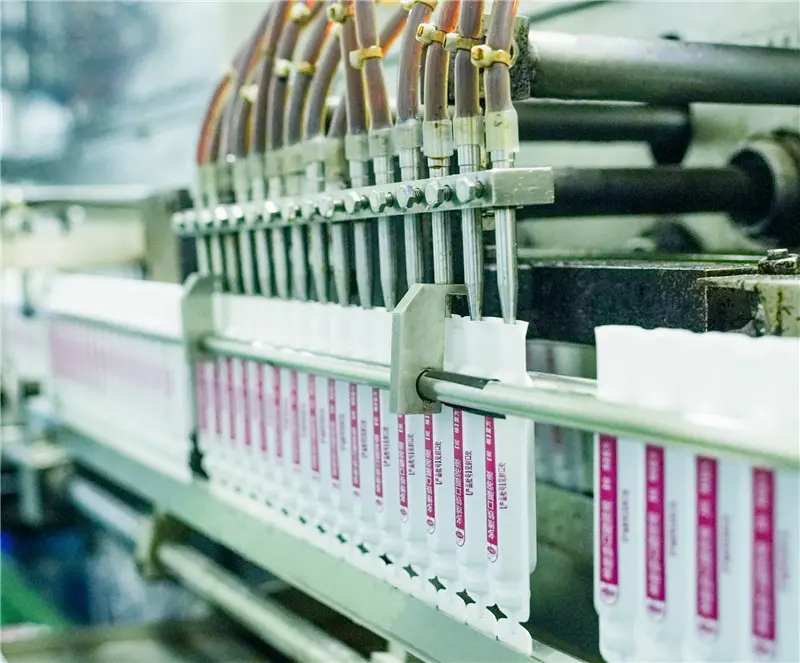
In Vitro Testing Service
OEM In Vitro Test / Research Service
Request Specifications
Preclinical Animal Study
OEM Animal Study Preclinical Service
Request Specifications
Method Establishment
Analysis Methods Establishment
Request Specifications
Phase 1-4 Studies
Clinical Study (Phase I - Phase IV)
Request Specifications
Phytochemical Screening
Plant Active Ingredient Screening
Request Specifications
Seasonal and Origin Potency
Botanical Potency Evaluation
Request Specifications
Contract Manufacturing Active Ingredients
OEM Active Ingredients CDMO
Request Specifications
Contract Manufacturing Finished Dosage Forms
OEM Finished Dosage Forms CDMO
Request Specifications