

Explore our specialized analytical workflows, in-vitro validation protocols, and specialized botanical paste supply matrices designed for multinational pharmaceutical, dietary supplement, and topical formulations.





Deconstructing the transition from empirical herbal decoctions to quantified, thermolabile, and bioavailable semi-solid pharmaceutical intermediates.
In global pharmacognosy and advanced nutraceutical manufacturing, botanical extracts supplied in paste and semi-solid form represent a critical thermodynamic bridge between liquid macerations and spray-dried pulverizations. High-viscosity botanical pastes (typically concentrated to 65%–85% dry solids) preserve volatile terpenes, delicate saponin linkages, and heat-sensitive flavonoids that frequently degrade during thermal spray drying or prolonged vacuum dehydration. As the international clean-label sector pivots toward bio-compatible delivery systems, the demand for high-integrity ODM Pastes Manufacturers & Suppliers has surged, driven by strict requirements for unadulterated bioavailability, superior rheological stability, and validated chromatographic integrity.
Historically, botanical pastes suffered from significant batch-to-batch variations, non-standardized viscoelastic properties, and accelerated sedimentation during transit. Today, advanced contract research and development organizations (CROs) and contract development and manufacturing organizations (CDMOs) like MedGence (Yineng Pharma) have redefined the industrial paradigm. By integrating multi-stage counter-current extraction, thin-film falling vacuum evaporation, and continuous dynamic sterilization, we ensure that every drum of botanical paste retains standardized chemical fingerprints (HPLC/HPTLC), devoid of synthetic excipient binders, polycyclic aromatic hydrocarbons (PAHs), and organic solvent residues.
Unlike high-heat spray drying that degrades thermolabile compounds, low-temperature vacuum condensation maintains the complete matrix of active glycosides, essential oils, and polysaccharides in high-density pastes.
Yield Efficiency: +22% bio-retentionGlobal procurement teams favor standardized extract pastes over dilute aqueous liquids due to an 80% reduction in maritime freight weight and volume, coupled with unmatched reconstitutability in downstream manufacturing.
Logistical Footprint: -78% cargo bulkClean-label consumers reject synthetic carriers like maltodextrin or silicon dioxide commonly found in extract powders. 100% natural pastes provide raw, uncompromised botanical potency for pure formulations.
Clean Label: Zero synthetic carriersBridging traditional regional agricultural provenance with state-of-the-art cGMP pharmaceutical automation to ensure uninterrupted, scalable global distribution.
The manufacturing of premium botanical pastes requires tight vertical integration between local agronomic cultivation and sophisticated pharmaceutical processing. China remains the undisputed global epicenter of natural herbal reserves, cultivating over 11,000 botanical species with deep historic documentation. Located in Changsha, Hunan, MedGence Technical Co., Ltd. (Yineng Pharma) leverages direct regional access to authentic wildcrafted and cultivated botanical materials. This strategic proximity eliminates lengthy intermediate shipping cycles, allowing fresh, potency-screened botanicals to enter cryogenic washing, cutting, and extraction units within hours of seasonal harvesting.
We source raw herbs from verified geographic origins across specific latitudes and seasonal harvesting windows. This strict protocol ensures consistent secondary metabolite densities across our entire botanical paste production runs.
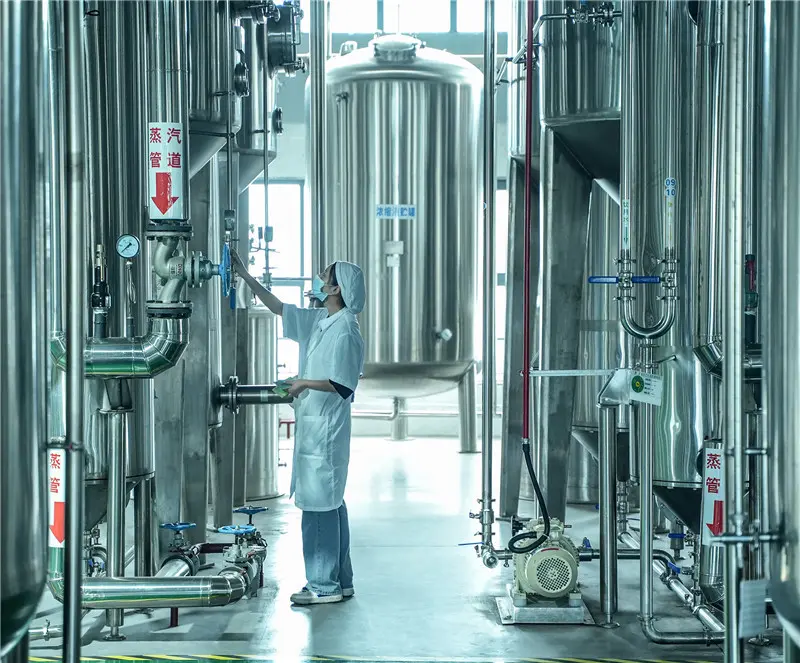
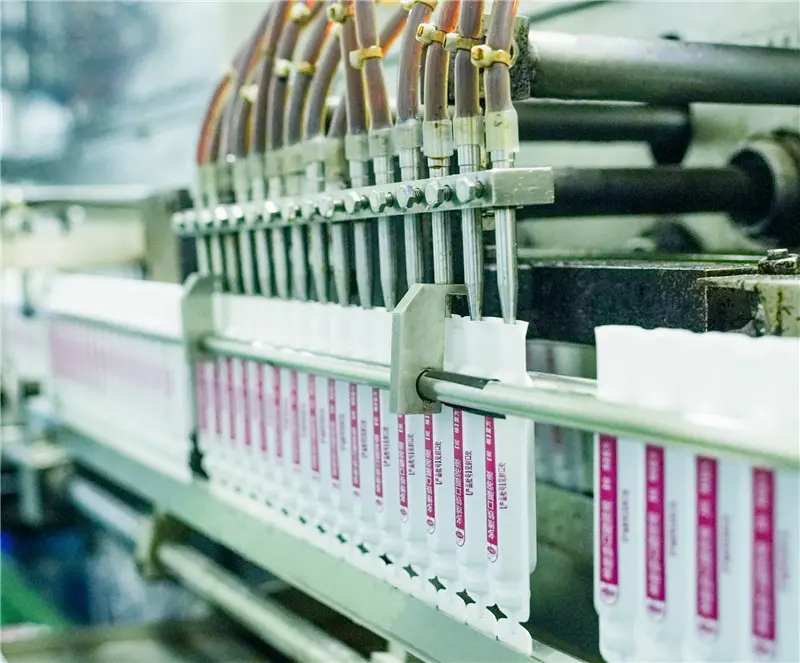
Our pilot plants and collaborative manufacturing bases utilize automated closed-loop stainless steel extractors, falling-film condensers, and computerized supercritical CO2 units, operating under stringent ISO and cGMP requirements.
Under our strict entrusted contract research and manufacturing model, client proprietary formulas, patented extraction solvent ratios, and downstream processing kinetics remain strictly protected under enforceable legal NDAs.
| Analytical Parameter | MedGence ODM Botanical Pastes | Standard Commercial Herbal Extracts | Technical Verification Protocol |
|---|---|---|---|
| Solids Concentration (Brix) | 65.0% - 85.0% (Custom Adjustable) | Unstandardized (Highly diluted or over-cooked) | Digital Refractometry & Karl Fischer Titration |
| Chromatographic Fingerprinting | 100% Matching Qualified HPLC/HPTLC Reference | Generic single-marker quantification only | HPLC-DAD / GC-MS Fingerprint Method |
| Pesticide & Heavy Metal Limits | Meets USP <561> / EP 2.8.13 Compliant Standards | Regional domestic limits only | ICP-MS & GC-MS/MS Multi-Residue Testing |
| Carrier & Excipient Content | 0% Added Binders, Dextrins or Preservatives | 15% - 40% Carrier Excipients added for drying | FTIR Spectroscopy & Microscopic Assay |
| Microbiological Bioburden | Total Plate Count < 1,000 CFU/g; Zero Pathogens | Variable / Subject to secondary microbial bloom | USP <61> / <62> Microbial Enumeration Assays |
From softgel encapsulation cores to transdermal hydrogels, botanical pastes offer unique rheological and pharmacokinetic advantages across consumer sectors.
Botanical pastes formulated with non-aqueous lipid carriers serve as suspension matrices inside soft gelatin or vegan capsules, shielding active molecules from gastric degradation and maximizing lipophilic absorption.
In oral liquid tonics and botanical syrups, pastes dissolve instantly without dusty aerosolization, creating transparent, homogeneous elixirs without phase separation or gritty mouthfeel.
For therapeutic cataplasms, herbal patches, and dermo-cosmetic salves, standardized viscous extracts facilitate skin penetration while ensuring zero particulate irritation on sensitive cutaneous membranes.
High-solids botanical pastes combine smoothly into modern pectin gummies, active lozenges, and energy gel sachets, delivering potent doses of botanicals without crystalline precipitation.
Understanding shifting regulatory audits, chromatographic verification needs, and the transition toward green-chemistry botanical processing.
Procurement directors and quality assurance managers representing European, North American, and Asia-Pacific healthcare enterprises face evolving regulatory challenges. The European Medicines Agency (EMA) and US FDA have intensified scrutiny regarding botanical drug substance identity, requiring comprehensive multi-wavelength HPLC chromatographic fingerprinting, genotoxicity risk assessments (ICH M7 guidelines), and validation of cold-chain supply operations. Global buyers are moving away from brokers trading commodity-grade herbal powders of uncertain age and origins, seeking direct partnerships with vertically integrated CDMO facilities capable of delivering audited batch traceability.
Furthermore, sustainability mandates are accelerating the global shift toward green extraction technologies. Traditional industrial practices dependent on chlorinated hydrocarbons or excessive methanol consumption are being replaced by dynamic water extraction, organic-certified food-grade ethanol matrices, and ultrasonic-assisted subcritical extraction. Botanical pastes manufactured via these environmentally benign methodologies generate zero hazardous effluents while producing a concentrated active paste that complies with international food-contact and pharmaceutical pharmacopoeias.
International clients require documented validation for target claims. MedGence pairs botanical paste supply with full in-vitro cell assays, acute oral toxicity (LD50), and rodent pharmacokinetic evaluation data sets.
We compile DMF (Drug Master Files), CTD modules, and safety documentation for dietary supplement notifications, facilitating smooth submissions to FDA, EFSA, NMPA, and TGA regulatory authorities.
Whether targeting high-shear packaging machines or manual compounding tanks, we customize the flow metrics, rheological shear-thinning properties, and moisture thresholds of every batch to fit your plant equipment.
Our extraction standards and CRO testing models support leading healthcare conglomerates and TCM research hospitals.





Direct technical answers for sourcing executives, lead formulation chemists, and compliance auditors.
Due to high osmotic pressure (low water activity Aw < 0.65) in our 65%–85% solids pastes, microbial growth is naturally suppressed. When stored in sealed food-grade fluorinated drums under cool, dry conditions (15°C–20°C), botanical pastes exhibit a verified stability window of 24 to 36 months without chemical deterioration.
We perform multi-origin active ingredient screening across different harvesting seasons and geographical coordinates. By evaluating raw material potency across hundreds of botanical batches, our analytical lab establishes standardized blending algorithms that guarantee consistent active marker content across every commercial batch.
Yes. Our process engineers adjust temperature, solid content percentage, and vacuum condensation endpoints to match your specific production environment, whether you require free-flowing honey-like liquid extracts for automated syrup fillers or high-viscosity pastes for topical cataplasms.
Every commercial paste consignment is accompanied by a full Certificate of Analysis (CoA) encompassing HPLC/HPTLC active marker assay, chromatographic fingerprint graphs, heavy metal assays (lead, arsenic, cadmium, mercury via ICP-MS), residual pesticide screens (USP <561>), and complete microbial bioburden counts.
We operate exclusively on an entrusted research and CDMO supply framework. Formulations, extraction solvent metrics, and pilot run parameters remain the exclusive intellectual property of the client, covered by legally binding confidentiality and non-circumvention agreements.
For custom formulation optimization and pilot trials, our minimum batch size starts at 25 kg to 50 kg of standardized botanical paste. For full commercial scale-up runs, our production facilities readily support multi-ton bulk orders scheduled on monthly or annual contracts.
Select a dedicated research module or combine analytical, safety, and manufacturing services into an integrated contract agreement.
Whether you are transitioning a powdered formula into a concentrated clean-label paste or need comprehensive phytochemical validation, our scientists are ready to assist.