Explore our core accredited research modules and high-purity botanical active development pipelines engineered for demanding international regulatory approvals.

High-throughput chromatographic fractionation to isolate bioactive secondary metabolites.
China Screening of the active ingredient(s) of plants Manufacturer, Manufacturers
Cellular molecular pathways, receptor binding affinities, and metabolic validation assays.
OEM In Vitro Test /Research Service Manufacturers, Suppliers
Comprehensive rodent toxicology, metabolic syndrome, and anti-inflammatory profiling models.
OEM Animal study Supplier, Suppliers
GCP-compliant clinical evaluation protocols for NDA dossiers and functional claim substantiation.
ODM Clinic study (Phase1 - Phase 4) Manufacturer, Suppliers
Geographic geographic marker profiling ensuring peak chemical compound density.
ODM Study and evaluation of the potency of the botanical active ingredient(s) from different seasons and different origins. Manufacturer, Suppliers
Validated HPLC, GC-MS, and HPTLC fingerprint standardization and impurity profiling.
China Establishment of analysis methods of active ingredient(s) Supplier, Suppliers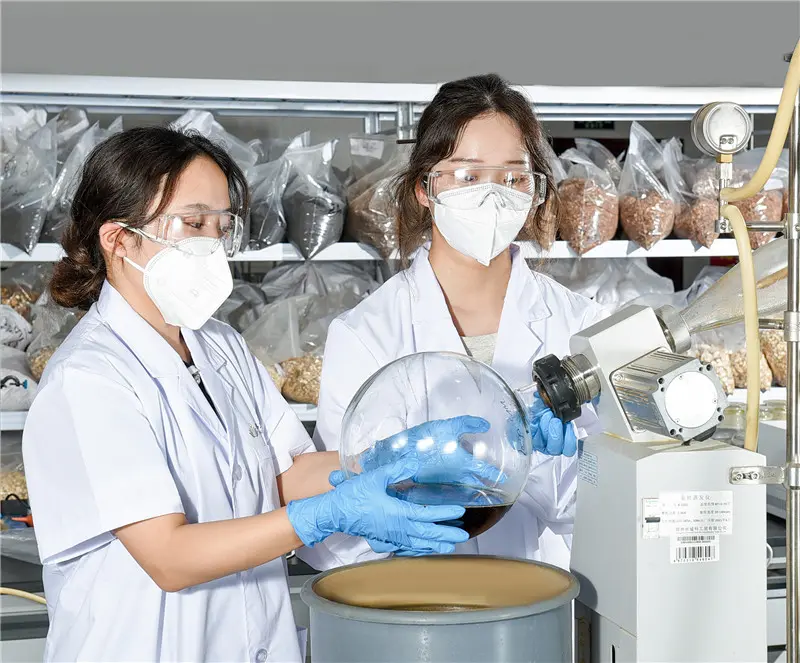
Polyherbal formulation blending, bioavailability enhancement, and excipient compatibility matrix.
Explore Formulation Research Services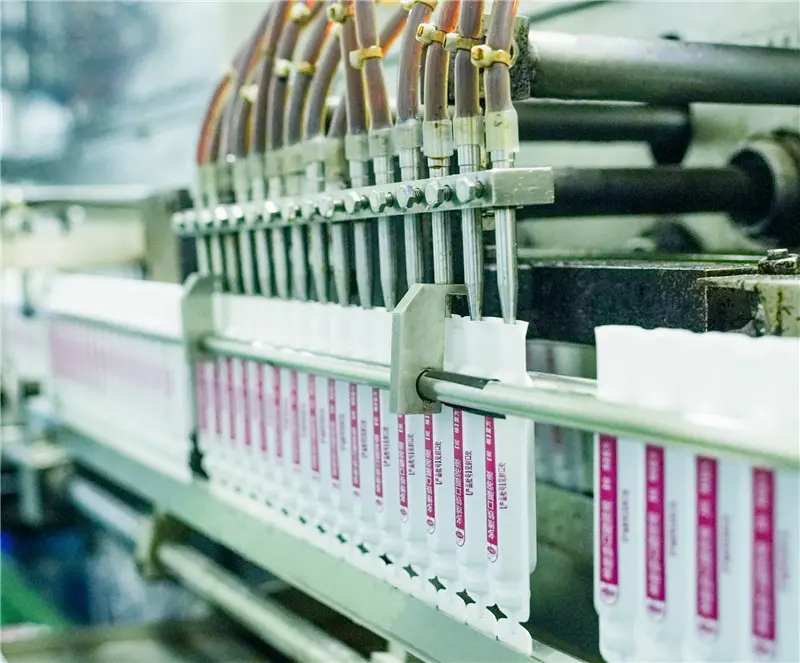
Softgel, two-piece hard capsule, micro-granule, and liquid sublingual manufacturing lines.
Request CDMO Manufacturing CatalogBridging thousands of years of empirical pharmacopeia with high-resolution omics, chromatographic fingerprinting, and automated pilot-to-commercial manufacturing.
The global paradigm for botanical formulation development has undergone an irreversible shift. Enterprise procurement divisions and regulatory entities such as the US FDA, European EMA/EFSA, and global health authorities no longer accept ambiguous herbal preparations with undefined chemical profiles. Today, an enterprise-grade ODM natural formulation development manufacturer and supplier must operate as a fully integrated contract research and contract manufacturing organization (CRO-CDMO).
Headquartered in Changsha, Hunan—the geographic heart of China’s richest botanical diversity and medicinal research clusters—MedGence (Yineng Pharma) has spent over 14 years modernizing the natural medicine pipeline. By harmonizing ancestral empirical formulations with modern phytochemistry, our multidisciplinary team of over 300 analytical chemists, pharmacologists, and process engineers provides global pharmaceutical conglomerates, premium nutraceutical brands, and cosmeceutical developers with an end-to-end framework: from phenotypic wild-crop screening to patentable finished commercial dosage forms.
Our empirical research foundation is substantiated by over 100 successful drug candidate partnerships, 22 novel proprietary natural medicines brought to formal review, 56 registered hospital preparations, and analytical quality protocols governing nearly 400 distinct botanical species. We solve the four historic vulnerabilities of natural ingredient manufacturing: compositional batch variability, poor intestinal bioavailability, stability-driven degradation, and complex cross-border regulatory non-compliance.
How localized agricultural integration, hyper-specialized chemical processing, and unmatched supply chain scalability generate superior cost and speed advantages for global brand owners.
China possesses over 11,000 documented medicinal plant taxa. Our processing hubs interface directly with authenticated Good Agricultural Practices (GAP) cultivation bases across varied climatic zones—from Qinling Mountain wild panax ginseng to Yunnan high-altitude polygonum and Hunan lotus leaf. By conducting rigorous phenological potency assessments directly at harvest sites, we eliminate intermediary adulteration and lock in maximal secondary metabolite concentrations prior to first extraction.
Iterating botanical formulations requires seamless collaboration across organic isolation, solvent selection, and rapid analytical verification. While Western CROs face fragmented subcontracting logistics, our Changsha campus consolidates phytochemistry discovery, small-scale flash chromatography, animal testing facilities, and dynamic pilot production lines within unified facilities. New formulations transition from discovery to multi-kilogram pilot prototypes in 60% less time.
China's heavy industrial chemical engineering ecosystem empowers us with cutting-edge supercritical CO2 fluid extraction, multi-stage macroporous resin adsorption, continuous countercurrent extraction lines, and ceramic membrane nanofiltration at capital expenditures far below European or American equivalents. We deliver ultra-purified botanical fractions with pharmaceutical-grade purity (up to 99%) at exceptional unit-cost economics.
The transformation from empirical folk pharmacology to AI-driven virtual screening, target docking, and advanced targeted nano-delivery systems.
Instead of blind bioassay trials, our computational chemistry workflows utilize artificial intelligence and machine learning models trained on millions of phytocompound configurations. We perform in silico affinity docking against disease-related receptor proteins—such as AMPK for metabolic disorders, COX-2 for chronic systemic inflammation, or tyrosinase for cosmetic skin brightening—shortlisting high-probability candidate molecules within hours.
Many exceptional botanical polyphenols, flavonoids, and triterpenoids exhibit exceptionally poor natural bioavailability due to rapid first-pass hepatic clearance or instability in gastric acid. Our CDMO engineers deploy phospholipid-complexation (phytosomes), polymeric micro-encapsulation, and self-emulsifying drug delivery systems (SEDDS) that yield up to 800% higher systemic absorption over generic raw plant extracts.
Global regulatory mandates are phasing out hazardous solvent residues (such as hexane, chloroform, and benzene derivatives). MedGence leads the industry in implementing pure water subcritical extraction, enzymatic maceration, and closed-loop ethanol recovery systems. This guarantees our natural formulations conform with California Proposition 65, USP <467> Residual Solvents limits, and strict European pharmacopeial monograph standards.
A structured six-stage gated engineering protocol designed to systematically eliminate chemical, toxicological, and scale-up risks at every developmental milestone.
Target identification using chromatographic fingerprinting, mass spectrometry, and comparative seasonal-geographic yield analysis across authenticated harvest regions.
Development and inter-laboratory validation of quantitative HPLC, HPTLC, and GC-MS assay methods, defining distinct active compound marker profiles and degradation limits.
Optimization of solvent polarity, temperature profiles, resin adsorption kinetics, and vacuum spray-drying or freeze-drying parameters for stable industrial scale-up.
Comprehensive toxicity clearance (acute oral LD50, 90-day subchronic toxicity, Ames test for genotoxicity) coupled with high-sensitivity cellular and murine pharmacodynamic models.
Design and execution of double-blind, randomized, placebo-controlled clinical trials (RCTs) covering bio-distribution, pharmacokinetics, and clinical endpoint efficacy verification.
Seamless transfer to fully automated Class D cleanrooms. Formulation encapsulation into softgels, multi-particulate capsules, enteric-coated tablets, or dry powder sticks.
Matching molecular stability, physical solubility, and regulatory safety thresholds to the precise demands of four major high-growth sectors.
Focusing on metabolic health, cognitive preservation (nootropics), immune defense, and gut microbiome modulation. We formulate standardized extracts with optimized microencapsulation to prevent hygroscopic clumping, control taste, and eliminate offensive herbal bitterness in direct-to-consumer chewables, gummies, and sachets.
Formulating bioactive phytocompounds that penetrate the stratum corneum barrier without triggering epidermal sensitization. Specific solutions include cellular photoaging defense, melanin pathway inhibition, epidermal matrix remodeling (collagen booster botanicals), and scalp microbiome equilibrium actives tested via 3D reconstructed human epidermis models.
Full support for Botanical New Drug Applications (IND/NDA dossiers under FDA botanical drug guidance). We specialize in multi-compound synergistic botanical medicines with established Modes of Action (MoA), total batch-to-batch chemical equivalence, and clinical safety proof for cardiovascular, pulmonary, and oncological adjuvant applications.
Addressing the surging demand for clean-label pet wellness formulations. Our veterinary clinical team designs palatable botanical compositions aimed at canine and feline joint mobility, stress reduction, and coat revitalization, adhering strictly to target-species toxicity parameters (e.g., zero theobromine or essential oil safety thresholds).
A technical guide for Supply Chain Officers, Sourcing Directors, and Head Formulators conducting technical due diligence on Asian contract manufacturing partners.
Procuring natural formulations internationally introduces severe vulnerabilities regarding adulteration, microbiological hazards, irradiation anomalies, and trace chemical contamination. MedGence maintains an uncompromising quality assurance architecture aligned directly with Western auditing frameworks:
| Evaluation Parameter | Industry Standard Vulnerability | MedGence Technical Quality Standard | Verification Documentation |
|---|---|---|---|
| Species Authentication | Morphological misidentification or adulteration with cheaper botanical relatives. | Dual DNA barcoding paired with HPTLC chromatographic fingerprint identification against authenticated reference standards. | Genomic Sequencing & Certified HPTLC Chromatogram |
| Heavy Metals & Minerals | Cadmium, Arsenic, and Lead accumulation via contaminated soils and industrial water runoff. | ICP-MS analysis verifying thresholds below strict California Prop 65 limits: Pb < 0.5 ppm, Cd < 0.2 ppm, As < 0.2 ppm, Hg < 0.1 ppm. | ICP-MS Quantitative Batch Certificate of Analysis (CoA) |
| Pesticide Residue Screen | Non-target organophosphates and organochlorines from intensive farming. | GC-MS/MS and LC-MS/MS quantitative screening covering over 500 distinct multi-residue pesticides per USP <561> and EP 2.8.13. | Comprehensive 500+ Compound Pesticide Monograph |
| Polycyclic Aromatic Hydrocarbons | PAH4 contamination resulting from direct fire coal-drying of botanical biomass. | 100% indirect clean-air heat exchange drying, ensuring Benzo(a)pyrene < 2.0 ppb and total PAH4 < 10.0 ppb. | EU 2015/1933 Compliant Trace PAH4 Certificate |
| Microbiological Integrity | Bacterial blooms, salmonella, and thermal degradation via high-heat sterilization. | Sub-zero cryogenic milling and low-temperature validated irradiation or non-thermal ethylene oxide alternatives preserving thermosensitive actives. | Third-party USP <61> and <62> Microbiological Clearance |
Our validated formulations and custom active ingredients power commercial products for elite medical enterprises and university medical centers.
 Tongrentang Group
 CR Sanjiu
 Sunflower Pharma
 Livzon Pharma
 Dihon Pharma
 Golden Throat
 Yangtzi River Pharma
 Gofar Chuanshan
 Humanwell Healthcare
 SCIMYTH Pharma
 Hanfang Pharma
 Luoxin Pharma
 Zhongsheng Pharma
 Apeloa Pharma
 Heng Chang Pharma
 Shuguang Hospital
 Hunan First Hospital
 Second Xiangya Hospital
In-depth responses for procurement leaders, Chief Scientific Officers, and brand developers evaluating ODM/CDMO execution.
Botanical composition shifts naturally due to regional soil composition, seasonal rainfall, and solar radiation. We resolve this through three layers of control: first, geographic sourcing strictly from authenticated GAP coordinates during optimal harvest windows; second, our proprietary chromatographic fingerprinting software which blends multiple raw harvests to match an exact reference fingerprint profile; and third, standardizing extracts to defined quantitative active compound percentages (e.g., total ginsenosides > 80%, apigenin > 98%) verified by high-performance liquid chromatography.
We operate strictly under an entrusted CRO-CDMO framework. Once contracted milestones and engineering retainers are finalized, all synthesized intellectual property, novel formulation ratios, custom extraction process parameters, and analytical validation data packages belong exclusively to the client. MedGence executes strict two-way non-disclosure agreements (NDAs) and implements digital vault isolation protocols to prevent formulation leakage or unauthorized re-utilization.
Yes. A core benefit of our research center is delivering regulatory-ready documentation dossiers. We supply comprehensive analytical validation records, genotoxicity packages (Ames bacterial reverse mutation, in vitro micronucleus assays, in vivo mammalian bone marrow chromosomal aberration), 90-day repeat oral toxicity animal studies, and full chemical characterization data required for FDA New Dietary Ingredient (NDI) notifications, Generally Recognized As Safe (GRAS) self-determinations, and European Union Novel Food applications.
Our Changsha and affiliated collaborative production infrastructure accommodates diverse solid and liquid formats: high-speed encapsulation (size 00 to 4 two-piece vegetarian and gelatin capsules), automated rotary softgel encapsulation (including non-animal carrageenan vegan softgels), sustained-release enteric-coated tablets, multi-layer direct-compression tablets, multi-particulate micro-granules, freeze-dried soluble powders, sublingual spray formulations, and preservative-free oral liquid ampoules.
Hydrophobic botanical compounds (such as curcumin, resveratrol, quercetin, and silymarin) are notoriously difficult to formulate into functional beverages or achieve high intestinal permeation. We utilize four proprietary formulation technologies: cyclodextrin supramolecular inclusion, phospholipid phytosome complexation, solid dispersion matrix carriers using natural polysaccharide polymers, and self-nanoemulsifying drug delivery systems (SNEDDS) that spontaneously form 50–100 nm micelles upon gastrointestinal hydration.
A streamlined project typically advances through three core milestones: Phase 1 (Screening, Compound Fingerprinting, and Feasibility Assay) requires 4 to 6 weeks; Phase 2 (Process Optimization, Stability Testing, and Safety In Vitro Clearance) takes approximately 8 to 12 weeks; Phase 3 (Pilot Batch Scale-up, Master Batch Record validation, and Commercial cGMP Finished Packaging) requires 6 to 8 weeks. In total, a fully authenticated commercial formulation can launch within 5 to 7 months.
Directly request specifications, laboratory data books, and contract manufacturing capacity allocations for your pipeline formulations.
Pre-formulation bioactivity screening and identification of active molecular targets.
China Screening of the active ingredient(s) of plants Manufacturer, Manufacturers
Validating anti-inflammatory, antioxidant, and signaling pathways on human cell lines.
OEM In Vitro Test /Research Service Manufacturers, Suppliers
Pharmacokinetics, metabolic balance, systemic toxicity, and organ preservation trials.
OEM Animal study Supplier, Suppliers
Phase 1 through Phase 4 multi-center human studies for claim substantiation.
ODM Clinic study (Phase1 - Phase 4) Manufacturer, Suppliers
Comprehensive mapping of geographical provenance and harvest dates against yield.
ODM Study and evaluation of the potency of the botanical active ingredient(s) from different seasons and different origins. Manufacturer, Suppliers
Method establishment, limit of detection (LOD), and recovery rate standardization.
China Establishment of analysis methods of active ingredient(s) Supplier, Suppliers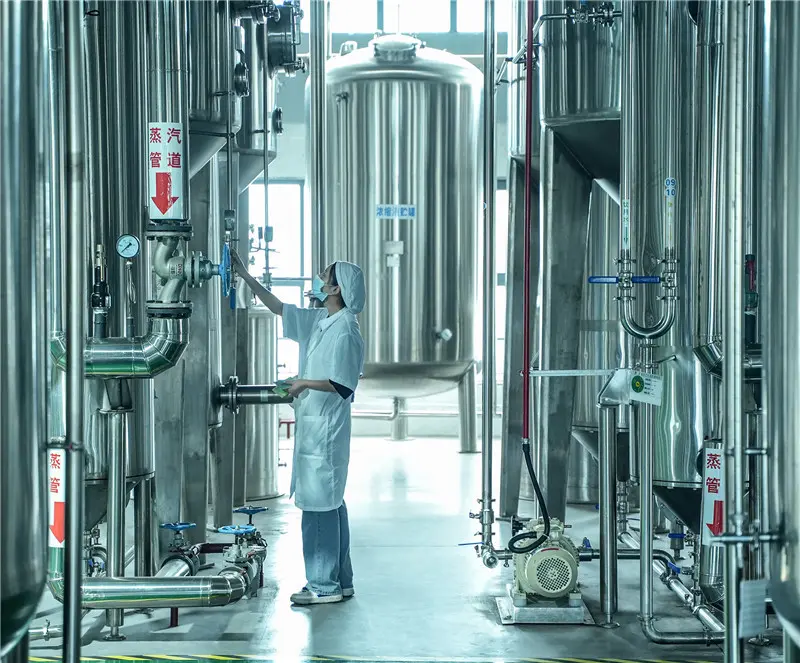
Standardized concentrated botanical liquids, micro-milled powders, and volatile oils.
Request Active Ingredient Specifications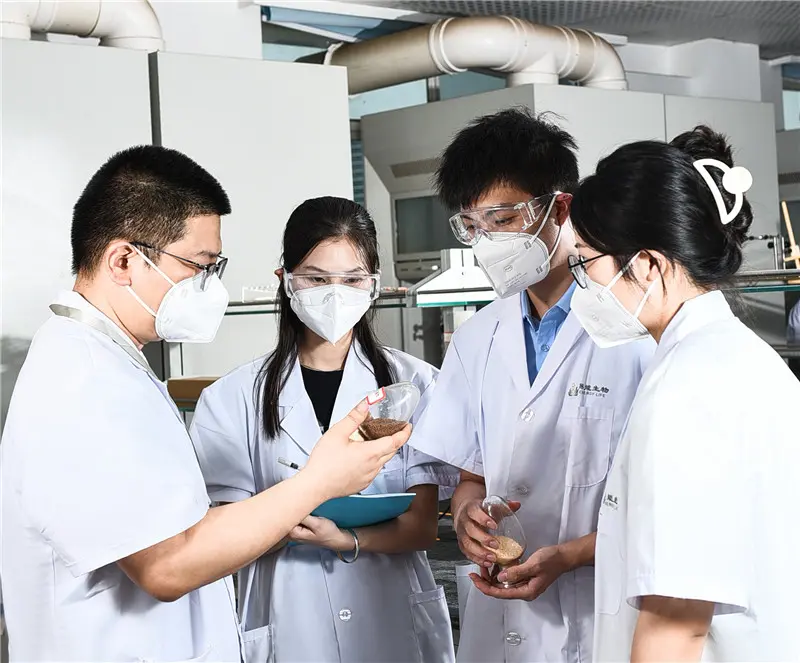
Overcoming dissolution bottlenecks, physical stability, and active preservation.
Explore Process Engineering Services