Explore our core contract development and analytical evaluation pathways designed to bridge raw phytochemical extraction with globally compliant pharmaceutical and nutraceutical formulations.
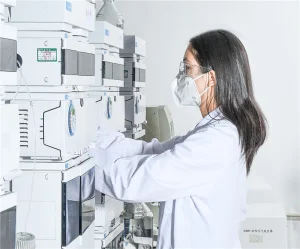
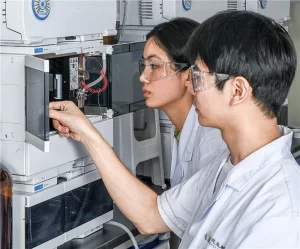
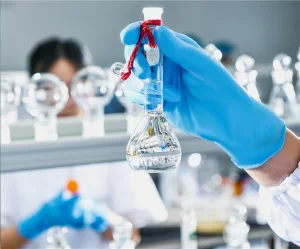
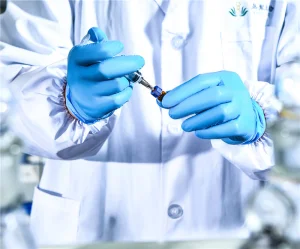
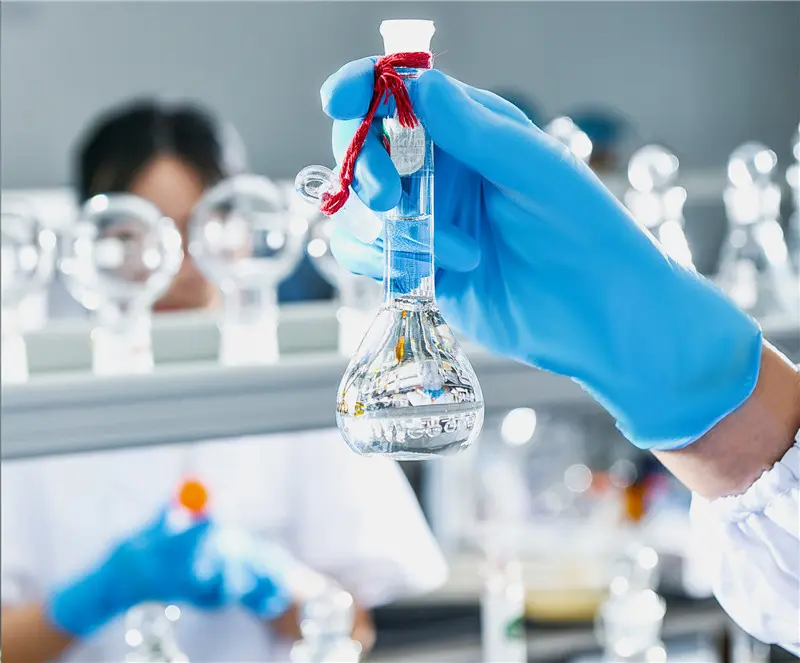
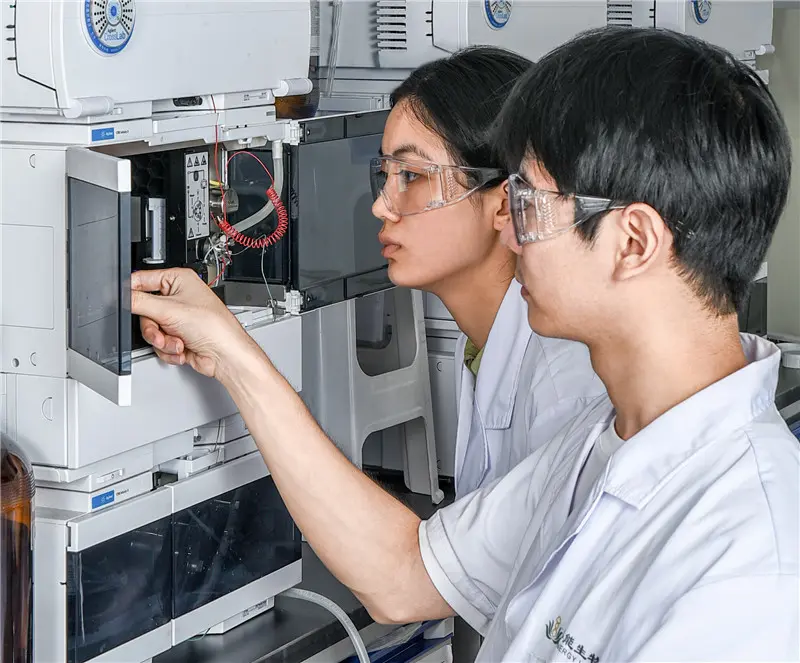
In modern phytochemical and botanical product development, Original Design Manufacturing (ODM) has transcended basic toll-manufacturing. It now represents an integrated technical ecosystem linking genomics, extraction chemistry, and multi-regional clinical regulatory compliance.
Traditional OEM relied on client-supplied formulas with high batch-to-batch volatility. Modern ODM manufacturing integrates analytical fingerprinting (HPLC, HPTLC, GC-MS), reverse phase chromatography, and bioavailability profiling, mitigating therapeutic variation before scale-up.
Global procurement teams often struggle with seasonal variability, pesticide residue limits, and heavy-metal contamination. End-to-end ODM solutions resolve raw-material asymmetry through origin screening, phenological harvest mapping, and standardized extraction protocols.
Whether navigating US FDA Dietary Supplement Health and Education Act (DSHEA), EU Novel Food Regulations, or China NMPA filings, a scientifically sound ODM partner delivers the required chromatographic fingerprints, stability data, and GLP-grade preclinical dossiers.
Harnessing world-class agricultural bio-regions, advanced industrial processing infrastructure, and vertical chemical integration to drive commercialization speed and volume elasticity.
China possesses over 11,000 documented medicinal plant species. Our localized facility footprint leverages direct GAP (Good Agricultural Practices) sourcing networks across Hunan, Yunnan, and Guizhou, securing seasonal purity and batch consistency from source soil to raw yield.
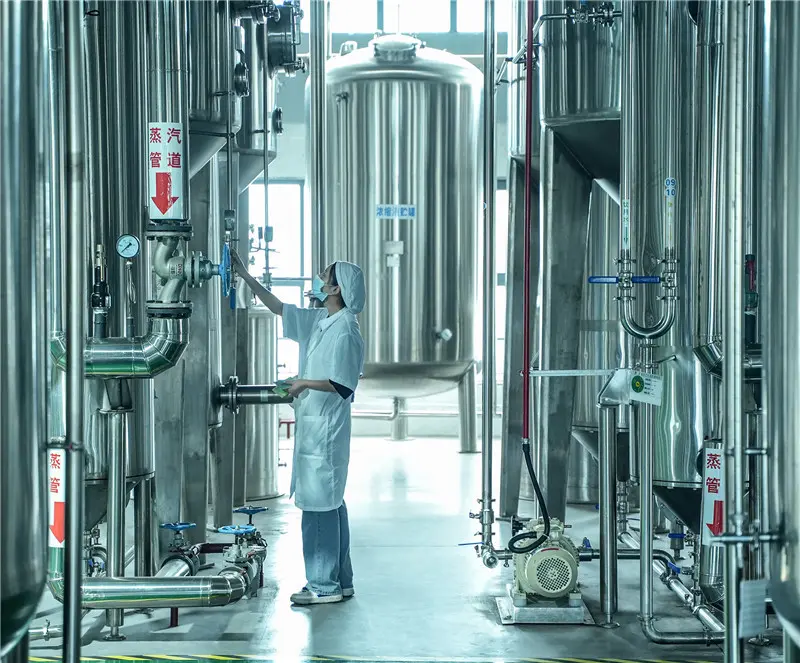
Equipped with counter-current continuous extraction lines, resin adsorption columns, membrane filtration units, and low-temperature vacuum freeze-drying suites capable of processing thousands of metric tons annually without denaturing sensitive thermolabile compounds.
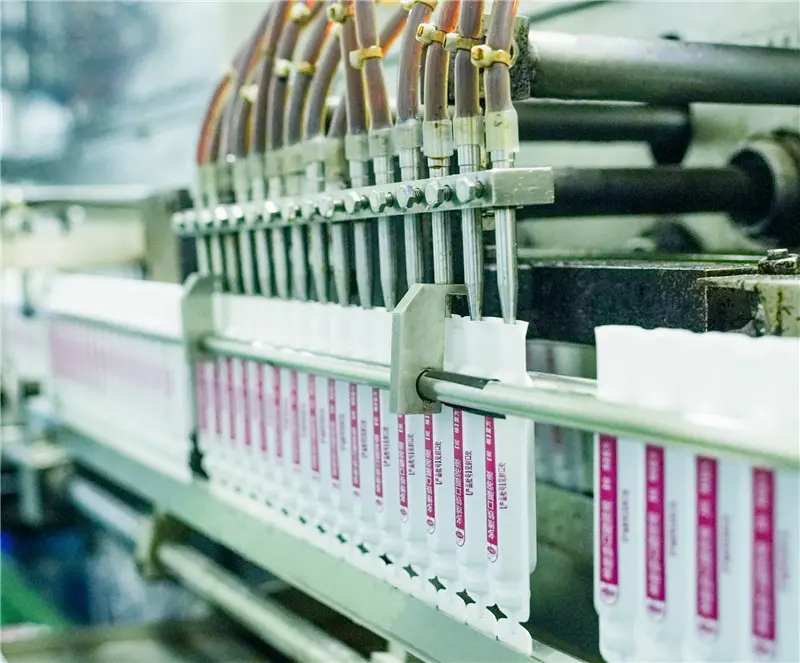
Benefit from the complete industrial clustering of solvent recovery, industrial automation equipment, domestic reagent sourcing, and specialized packaging supply chains, reducing capital expenditure overheads by 35% to 50% compared to Western facilities.
Direct collaborative relationships with leading Class 3A TCM hospitals and national research institutions enable rapid clinical sample evaluation, ethical review clearances, and pilot trials that significantly accelerate early discovery and validation cycles.
Navigating multinational compliance requires comprehensive documentation, validated methodology transfer, and rigorous testing for chemical, environmental, and microbiological contaminants.
| Regulatory Framework | Destination Market | Compliance Assurance Deliverable | Analytical Protocols Employed |
|---|---|---|---|
| FDA 21 CFR Part 111 & NDIN | North America | Full dietary ingredient dossier, residual solvent testing, NDI notification support | USP <467> Residual Solvents, ICP-MS Heavy Metals, GC-MS Pesticides |
| EU Regulation (EU) 2015/2283 | European Union | Novel Food dossier compilement, botanical identity verification, safety threshold mapping | HPTLC Identity Fingerprinting, PAH4, Pyrrolizidine Alkaloids LC-MS/MS |
| NMPA Natural Medicine Standards | Asia-Pacific / China | Registration dossiers for hospital preparations, modernized TCM extract filing | ChP Pharmacopeia HPLC/ELSD Methods, DNA Barcoding Identity |
| TGA Complementary Medicines | Australia / New Zealand | GMP audit trails, active substance master files (ASMF), stability evaluation | ICH Q1A(R2) Accelerated & Long-Term Stability Testing Protocols |
Global pharmaceutical corporations, wellness conglomerates, and direct-to-consumer health brands face unique procurement challenges. Our ODM model directly addresses core commercial bottlenecks.
Procurement leaders demand tight active tolerances (e.g., standardizing Total Ginsenosides to 80% ± 1%). Our multi-stage crystallization and chromatographic purification guarantee precise purity targets with zero batch drift.
Finished dosage formulations fail when extracts cause astringent tastes, turbidity in liquid solutions, or poor gut permeability. We optimize micronization, microencapsulation, and liposomal delivery to elevate bioavailability and consumer compliance.
Under an entrusted contract R&D charter, your proprietary formulations, pilot extraction parameters, and target therapeutic findings remain strictly partitioned under legally binding non-disclosure protocols, preserving your enterprise IP moat.
Phytomedicine contract manufacturing is converging with computational biology, automated green chemistry, and continuous verification technologies.
By mapping multi-target natural compound arrays against disease-specific enzyme pathways, in silico molecular docking models fast-track active botanical screening, identifying synergistic phytochemical ratios before performing in vitro cellular verification.
Replacing traditional toxic hydrocarbon solvents with Supercritical CO2 (scCO2) and enzyme-assisted subcritical water allows zero solvent residues, pristine preservation of aroma components, and complete alignment with European ESG clean-label standards.
Traceability systems now register soil chemistry, moisture levels, harvesting dates, extraction temperatures, and final assay outputs into tamper-evident ledgers, giving international auditors end-to-end data integrity from plant to pallet.
Our ODM development protocols are calibrated to the technical, physiological, and sensory demands of distinct life-science sectors.
High-density botanical actives designed for rapid assimilation. We develop shelf-stable formulations that retain bioactive potency under variable ambient storage conditions across international freight networks.
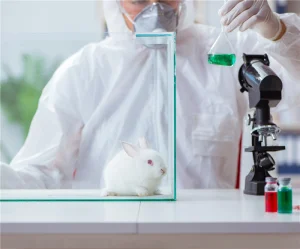
NDA-supportive preclinical packages for herbal medicines. Our facilities adhere to strict ICH Q7 guidance, ensuring complete traceability, impurity profiling, and genotoxicity evaluations acceptable to regulatory authorities.
Clean, non-irritating plant-derived actives engineered for transdermal penetration, anti-oxidation, melanin inhibition, and barrier restoration backed by in vitro keratinocyte assays and safety profiles.
Practical operational details regarding analytical parameters, facility governance, and technology transfer.
While OEM simply converts client-supplied formulations into bulk goods, our ODM service encompasses raw-material botanical fingerprinting, harvest potency evaluation, analytical assay development (HPLC/HPTLC), stability modeling, and scalable extraction optimization to create fully proprietary market-ready products.
We apply high-performance thin-layer chromatography (HPTLC) along with multi-wavelength HPLC chromatographic fingerprinting. We verify similarity thresholds against reference standards across distinct raw batches, ensuring variance remains within strictly defined pharmaceutical tolerances.
Every commercial production batch is accompanied by a full Certificate of Analysis (CoA), method validation reports (ICH Q2 compliance), residual solvent assay results (USP <467>), heavy metal trace reports via ICP-MS, microbiological panels, and stability verification under accelerated climatic chambers.
Yes. Our integrated pilot facilities and managed commercial production suites run on identical process logic. Critical parameters defined during small-scale development (extraction dwell times, evaporation temperatures, filtration cut-offs) scale reliably up to multi-ton continuous production runs.
Review additional research pathways, validation protocols, and specialized finished product manufacturing options available for private-label deployment.