Explore our core portfolio spanning high-throughput screening, bio-potency determination, toxicity profiles, and certified in vivo evaluation for drug developers worldwide.






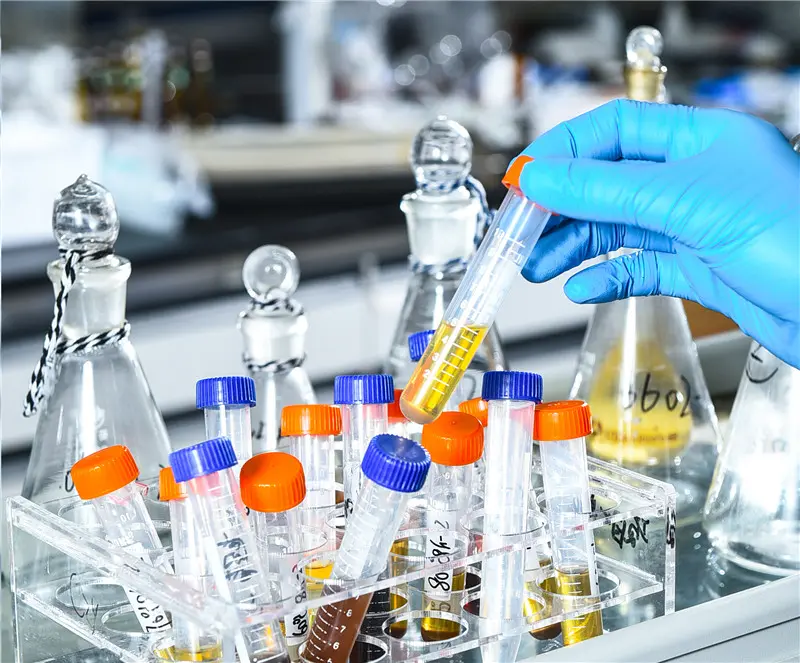
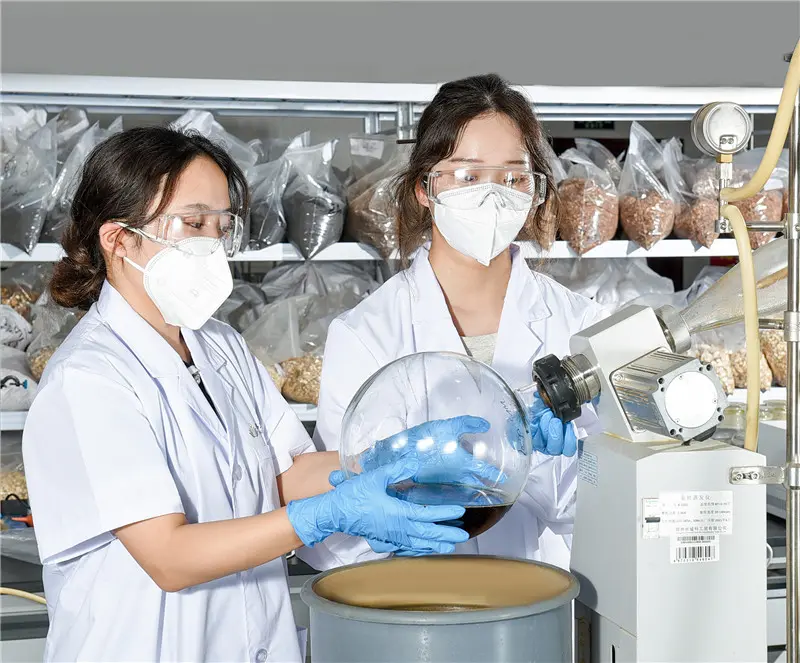
In modern biopharmaceutical development and functional botanical commercialization, translational gaps between in vitro bioassays and human physiological response represent the single greatest cause of clinical attrition.
While high-throughput cell cultures pinpoint initial receptor affinity, they fail to model metabolic transformation, microvascular permeability, immunological feedback, and multi-organ synergy. Tier-1 life-science sponsors require deeply phenotyped animal disease models (e.g., metabolic syndrome, autoimmune dysregulation, chronic inflammation) that accurately mimic multi-target pharmacology.
Regulatory authorities including the US FDA, EMA, and NMPA demand robust data integrity (21 CFR Part 11) combined with strict 3Rs adherence (Replacement, Reduction, Refinement). Contract research entities must possess automated vivarium parameters, standardized micro-environments, and validated digital endpoint capture to deliver audit-proof submission dossiers.
Global procurement heads no longer accept disjointed vendors where an assay vendor passes batches to an uncoordinated animal lab. The paradigm calls for turnkey ODM research suppliers who concurrently handle raw botanical provenance, analytical fingerprinting, pharmacokinetic profiling, and downstream pilot manufacturing under unified quality governance.
Evaluating scientific breadth, regulatory qualification, and supply resilience when outsourcing preclinical and preclinical-to-clinical bridge studies.
| Evaluation Parameter | Traditional Pure-Play CRO | Commodity Ingredient Exporter | MedGence Integrated In Vivo ODM |
|---|---|---|---|
| Preclinical Animal Modeling | Standardized rodent cages; high overhead cost | No internal vivarium; third-party brokering | Proprietary vivarium, validated TCM & synthetic models, biomarker bioanalysis |
| Phytochemical Profiling | Limited botanical expertise; standard assays only | Basic assay certificates; high batch variance | HPTLC, HPLC-MS, GC, and origin/season chromatographic fingerprints |
| Supply Chain Coupling | Zero manufacturing; leaves sponsor stranded | High manufacturing capacity; zero empirical clinical data | Direct transfer from validated animal findings to pilot/commercial CDMO production |
| IP & Know-How Defense | Strict NDA, yet fragmented subcontractor exposure | Risk of formula replication and leaks | Entrusted closed-loop protocol; complete confidential data and process ownership |
| Cost & Lead Time Efficiency | High Western consulting fees; extended timelines | Low cost, but lacks regulatory clinical value | Industry 4.0 cost optimization; 40-60% faster study milestones |
Our centralized facility in Changsha, Hunan, integrates algorithmic research execution, digitized bioprocess control, and a massive phytomedicinal supply network to minimize lead times while enforcing bulletproof reproducibility.
Our controlled environmental suites maintain uninterrupted monitoring of air exchanges, temperature gradients, humidity, and circadian lighting cycles. Automated metabolic cages track ingestive metrics, locomotor parameters, and physiological outputs with microsecond precision, eliminating investigator bias.
Validating an active compound in an animal model is futile if industrial crystallization fails. MedGence pairs its 300+ scientific specialists with pilot extraction reactors, counter-current extraction arrays, supercritical fluid CO2 extractors, and spray drying systems directly controlled by SCADA systems.
Harnessing China’s biological richness, our analytical framework systematically cross-analyzes active compound densities based on harvest season, micro-climate, soil pH, and geographical elevations, cataloging authentic chemical fingerprints into a proprietary computational library.
Tailored animal study protocols engineered to satisfy diverse regional health claims, regulatory clearances, and consumer expectations.
Validating claims for metabolic regulation (glycemic balance, lipid clearance), cognitive neuroprotection, sleep architecture improvement, and athletic recovery using non-lethal, high-resolution behavioral and serum biomarkers required for US DSHEA and EU EFSA dossier substantiation.
Comprehensive preclinical characterization of purified secondary metabolites (alkaloids, flavonoids, terpenoids). Delivers pharmacokinetics (PK), absorption-distribution-metabolism-excretion (ADME), Maximum Tolerated Dose (MTD), and systemic repeat-dose toxicity for new drug filing.
Ex-vivo tissue permeation combined with in vivo cutaneous tolerance assays. Testing barrier repair acceleration, UV-induced erythema reduction, anti-melanogenesis, and wound healing kinetics in specialized animal dermal models to reinforce clinical safety claims.
Detailed insights into study execution, animal welfare credentials, data compliance, and contract manufacturing integration.
Seamless execution from discovery through clinical development and industrial production.
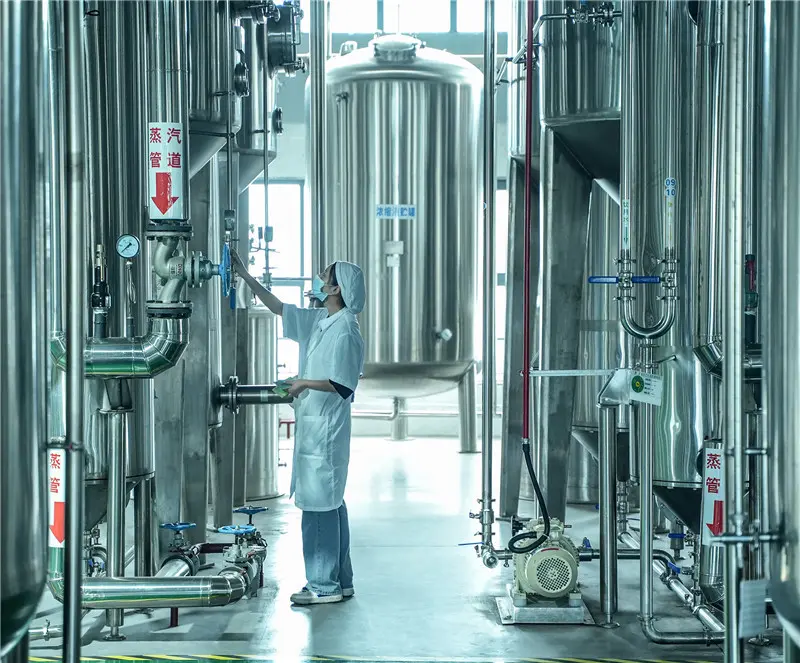
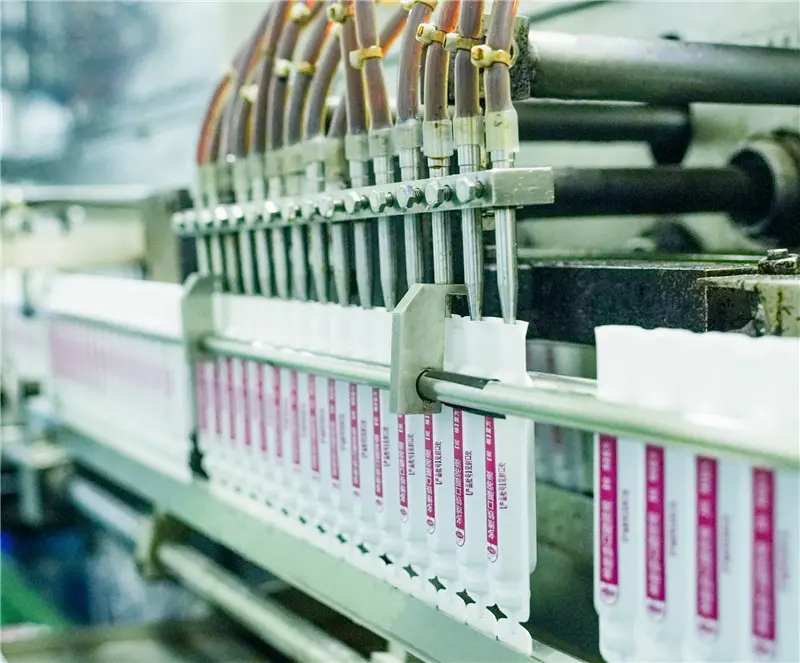
Accelerate your preclinical timeline with our team of over 300 research scientists, fully certified vivarium suites, and synchronized CDMO production infrastructure.
Consult Scientific Directorate ([email protected])