Direct access to validated screening systems, method standardization, and preclinical-to-production pipelines developed under certified pharmaceutical standards.
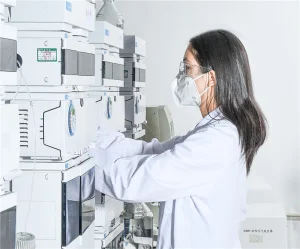
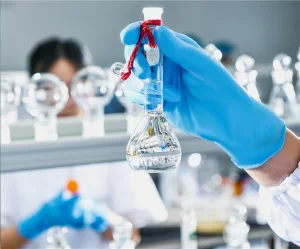

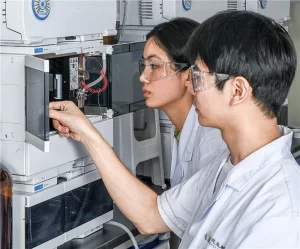
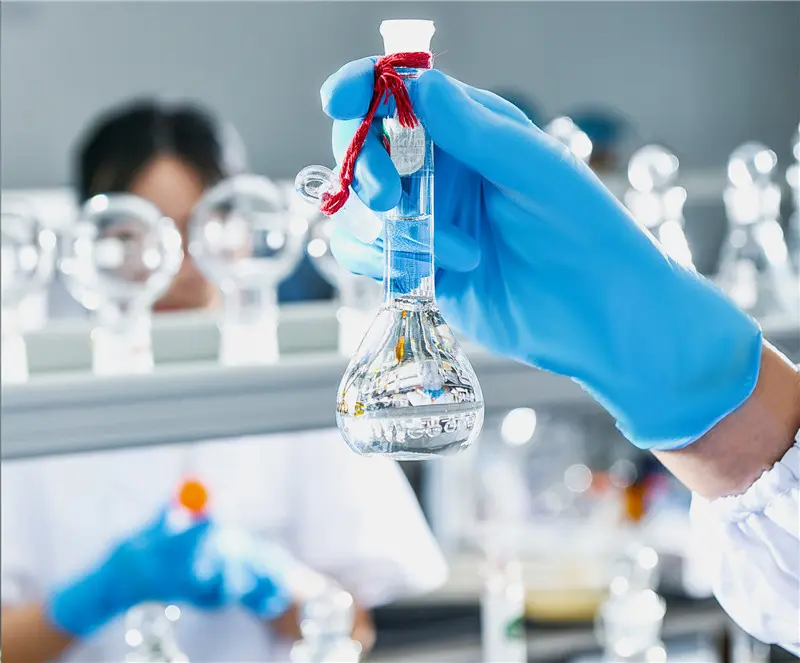
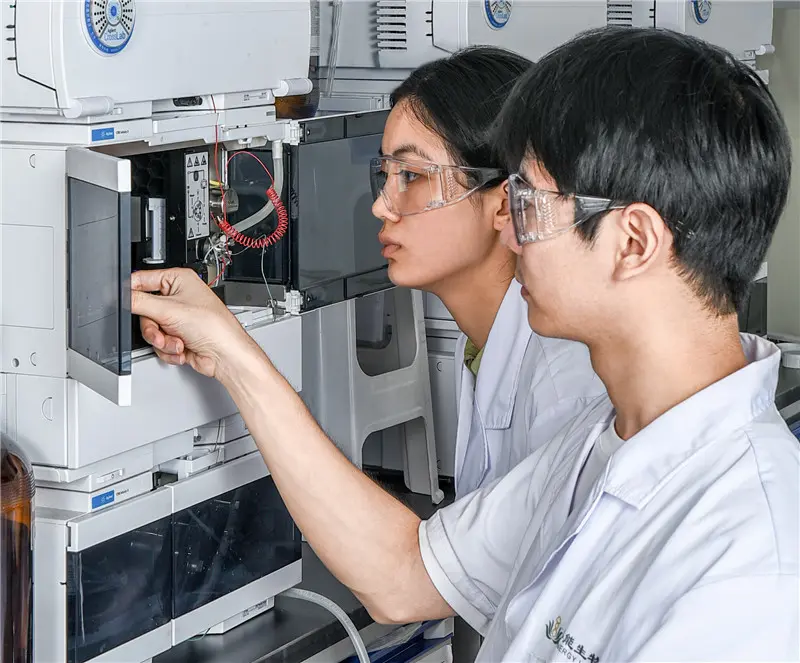
In modern phytochemical bioprocessing, the concept of Ideal Processing Conditions (IPC) is not a static set of historical parameters. Rather, it represents a dynamic, mathematically modeled equilibrium between mass transfer kinetics, thermal degradation thresholds, solvent selective polarities, and hydraulic residency times. As global markets transition from crude botanical dry extracts to standardized, clinically validated bioactive matrices, contract development and manufacturing organizations (CDMOs/ODMs) must operate at the confluence of physical chemistry, automated Process Analytical Technology (PAT), and international cGMP regulatory frameworks.
Ideal processing is achieved when Critical Process Parameters (CPPs)—such as thermodynamic extraction gradients, hydrodynamic shear rates, vacuum concentration profiles, and crystallization kinetics—are continuously calibrated in real time to guarantee that Critical Quality Attributes (CQAs) of targeted phytocompounds remain strictly within predefined stoichiometric tolerances without structural degradation or isomeric conversion.
Phytochemical extraction is fundamentally governed by Fick’s second law of diffusion coupled with solid-liquid phase equilibrium equations. During conventional industrial extractions, elevated temperatures are commonly leveraged to decrease solvent viscosity and accelerate solid-phase boundary diffusion. However, thermal energy also drives the hydrolytic cleavage of glycosidic bonds, decarboxylation of sensitive phenolic acids, and oxidation of delicate terpenes.
MedGence (Yineng Pharma) resolves this fundamental tension through multidimensional Design of Experiments (DoE) protocols. By utilizing multi-stage counter-current extraction columns, ultrasonic-assisted cavitation fields, and subcritical fluid dynamics, our extraction matrices preserve thermolabile bonds. Whether processing complex saponins, high-molecular-weight polysaccharides, or volatile terpenes, the thermodynamic energy introduced into the extraction column is balanced against the activation energy of bioactive decomposition, securing unprecedented retention yields (>98.2% active potency retention).
How stringent international pharmacopeias (USP, Ph. Eur., ChP) and shifting consumer behaviors are reshaping processing paradigms across North America, Europe, and Asia-Pacific.
The historical reliance on generic "10:1" botanical extract ratios has collapsed under regulatory scrutiny. Global compliance demands fingerprinted chromatograms and quantified milligrams of identified active compounds. Modern ODM processors must integrate HPTLC fingerprinting and high-resolution HPLC to guarantee absolute molecular consistency.
The Ph. Eur. 5.4 and FDA guidelines increasingly restrict residual Class 1 and Class 2 solvents. The worldwide contract market is shifting toward aqueous, ethanol-only, supercritical CO2, and enzyme-mediated extraction pathways that eliminate petroleum solvents while minimizing industrial carbon footprints.
Geographical sourcing variability accounts for up to 60% of batch-to-batch active potency variances. The leading tier of global ODM manufacturers now links farm-level harvest dates, soil mineral profiles, and drying temperatures directly into commercial-scale pilot manufacturing batch records.
Modern nutraceutical brands require drug-level substantiation to defend clinical efficacy claims. Tier-1 ODM suppliers must offer in-house cell culture models (in vitro), pharmacokinetic/pharmacodynamic (PK/PD) animal evaluations, and human trials (Phase 1–4) as standard deliverables.
Engineering customized physical conditions to overcome specific formulation, solubility, and regulatory hurdles across three core target industries.
Challenge: Bitter organoleptic profiles, rapid oxidation of unsaturated bio-lipids, and high hygroscopicity of spray-dried botanical powders.
Engineered Solution: Implementation of low-temperature fluid bed agglomeration combined with food-grade cyclodextrin microencapsulation. Vacuum flash evaporation prevents thermal browning, while inert nitrogen purging throughout milling preserves antioxidant ORAC values.
Challenge: Ultra-trace polymorphic impurities, stringent limits on toxic heavy metals (Pb, As, Cd, Hg), and strict validation under ICH Q7/Q10.
Engineered Solution: Macroporous adsorption resin chromatography mapped with online UV-Vis detectors. Optimized gradient elution protocols separate close isomeric structures, followed by tangential flow nanofiltration to systematically eliminate agrochemical residues and microbial endotoxins.
Challenge: Formulation instability, precipitation in emulsion bases, and skin irritation caused by unpurified pigments or tannins.
Engineered Solution: Decolorization and detanninization via selective polymeric membranes without synthetic bleaching agents. Supercritical CO2 fractionated lipophilic actives ensure clean solvent-free INCI compliance with verified transdermal bioavailability.
A closed-loop operational workflow engineered to eliminate translation bottlenecks between bench chemistry, pilot scale-up, and commercial manufacturing.
Botanical identity confirmed via DNA barcoding and HPTLC. Multi-origin high-content screening locks in harvesting periods to maximize secondary metabolite yield.
Design of Experiments (DoE) sets the extraction window: solid-liquid ratio, ethanol percentage, thermodynamic ramp rate, cavitation frequencies, and cycle counts.
Multi-column purification utilizing certified resins and ceramic membrane microfiltration to strip heavy metals, ballast starches, and trace pesticides.
Continuous falling-film concentration and vacuum belt drying at <45°C. Minimizes exposure times and locks in biological activity without denaturation.
In-vitro assays, GLP toxicity screening, and human trials confirm biological safety and potency. Batches are sealed and documented under strict NDA and cGMP rules.
Resolving systemic pain points in global botanical procurement, analytical variance, and intellectual property vulnerabilities.
Root Cause: Climatic variations between crop seasons cause active compound percentages to fluctuate by up to 300%.
Our Industrial Solution: We deploy multi-origin lot pooling and dynamic reconstitution algorithms. By blending raw botanicals of characterized chemical profiles prior to extraction, our extraction yields conform precisely to target active margins with less than 2% inter-lot variance.
Root Cause: Discrepancies between buyer HPLC protocols and supplier testing procedures lead to delayed cargo releases and customs disputes.
Our Industrial Solution: We provide full analytical method validation dossiers adhering to ICH Q2(R1) guidelines, including system suitability checks, column specifications, reference standards, and mobile phase gradient run logs to ensure complete lab reproducibility.
Root Cause: Offshore contract manufacturing risks leaking proprietary formulations, process modifications, and extraction parameters.
Our Industrial Solution: Strict entrusted research and confidential manufacturing structures. All proprietary process parameters, enzymes, and chromatography matrix sequences are isolated under firewall protocols with zero external IP cross-contamination.
In-depth responses for procurement executives, lead process engineers, and regulatory formulation directors.
From initial target compound screening to clinical batches and high-volume commercial finished formulations, explore our direct engineering support.