Directly managed by over 300 senior research scientists and toxicologists, transforming raw natural matrices into globally compliant, regulatory-ready data assets.

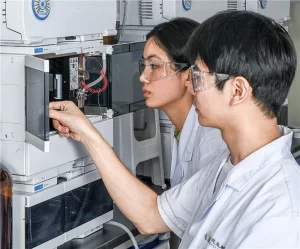
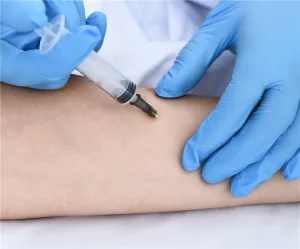

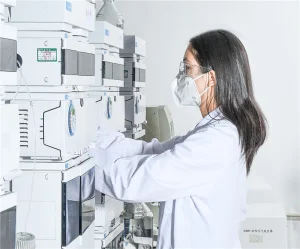
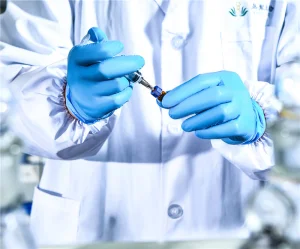
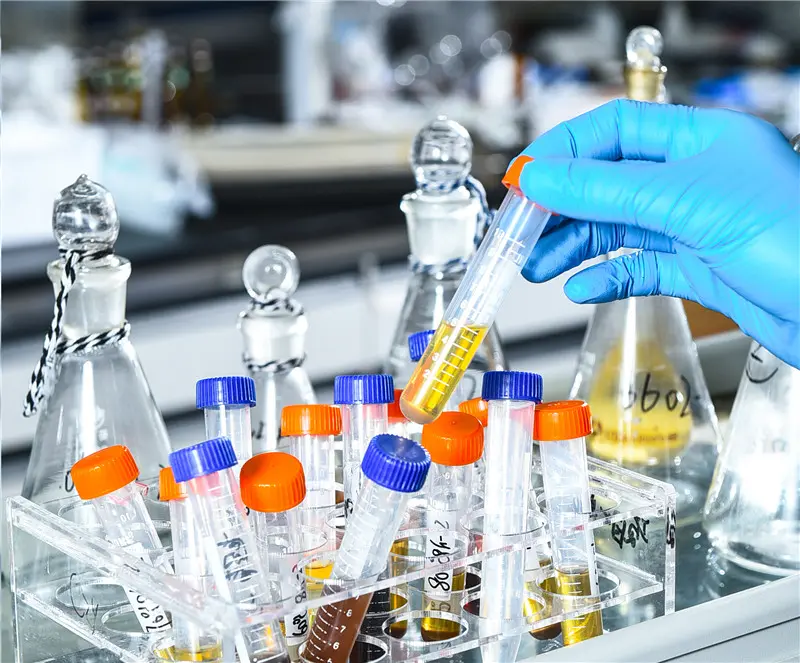
De-risking phytochemical multi-component matrices, novel foods, and pharmaceutical APIs through standard-setting GLP genotoxic profiling.
Global regulatory bodies (US FDA, EMA, NMPA, PMDA) mandate rigorous identification of DNA reactivity. A single unaddressed genotoxic liability can derail clinical progress or cause catastrophic product recalls. MedGence engineers testing paradigms that evaluate both gene mutations and structural/numerical chromosomal aberrations.
By standardizing on the dual standard battery (Option 1: Ames + In Vitro Micronucleus/Aberration; or Option 2: Ames + Two In Vivo Endpoints), our clients secure incontrovertible nonclinical safety packages recognized universally under the OECD Mutual Acceptance of Data (MAD) framework.
Standard synthetic compound CROs routinely fail when analyzing complex plant extracts. Botanical matrices contain free amino acids (e.g., histidine in Salmonella typhimurium Ames tests), intrinsic autofluorescence, and non-mutagenic polyphenolic cytotoxicity that produce pervasive false positives.
MedGence solves this systemic industry challenge through pre-analytical chromatographic fractionation, pre-incubation modifications, and parallel mammalian cell viability monitors, pinpointing genuine clastogenic or mutagenic liabilities with definitive molecular specificity.
Targeted safety pipelines engineered for regional market dossiers, industrial clearances, and formulation development.
For biopharmaceutical developers seeking IND/NDA greenlights, we provide full ICH S2(R1) and ICH M7(R2) documentation. Our assays evaluate trace chemical mutagenic impurities down to the Threshold of Toxicological Concern (TTC) of 1.5 µg/day, preventing clinical trial holds.
Meeting EFSA (European Food Safety Authority) Scientific Committee Guidance and US FDA GRAS (Generally Recognized as Safe) requirements. We substantiate safety for novel plant extracts, microbial fermentations, and highly concentrated single-botanical fractions.
Strictly non-animal safety assessments under EU Cosmetic Regulation (EC) No 1223/2009. We deploy validated in vitro micronucleus tests (OECD 487) and reconstructed human 3D skin models to confirm genomic stability without animal testing.
Comprehensive analytical protocols conducted in our multi-thousand-square-meter GLP laboratories, utilizing S9 metabolic activation and robotic imaging.
| Assay Designation | Regulatory Standard | Primary Biological Target | Botanical Matrix Mitigation | Standard Turnaround |
|---|---|---|---|---|
| Bacterial Reverse Mutation (Ames) | OECD 471 / ICH S2(R1) | S. typhimurium & E. coli point mutations | Histidine/tryptophan scavenging; pre-incubation step to neutralize polyphenol interference | 3–4 Weeks |
| In Vitro Mammalian Micronucleus (MNvit) | OECD 487 | Chromosomal breaks (clastogenicity) & chromosome loss (aneugenicity) | Cytochalasin-B cell cycle arrest control; automated dual-channel imaging | 4–5 Weeks |
| In Vitro Chromosomal Aberration | OECD 473 | Gross structural chromosomal rearrangements (CHO / Human lymphocytes) | Osmolality and pH drift monitoring during botanical high-dose dissolution | 4–5 Weeks |
| Mouse Lymphoma Assay (MLA Tk) | OECD 490 | Forward gene mutations at the thymidine kinase locus in L5178Y cells | Colony sizing differentiation to separate point mutation from clastogenic events | 5–6 Weeks |
| In Vivo Rodent Micronucleus / Comet | OECD 474 / OECD 489 | Erythrocyte micronuclei & target tissue DNA strand breaks in vivo | Bioavailability & bone marrow exposure verification via HPLC-MS bioanalysis | 6–8 Weeks |
Quantitative Structure-Activity Relationship (QSAR) computational screening using Derek Nexus and Sarah Nexus to flag structural alerts before wet-lab assay initiation.
Solubility enhancement, micro-suspension vehicle formulation, and amino acid background profiling to eliminate nutrient-induced bacterial survival artifacts.
GLP-compliant concentration verification and stability testing of formulation samples via validated HPLC and LC-MS/MS analytical methodologies.
Execution of Ames mutation assays (5-strain battery) alongside in vitro micronucleus or chromosomal aberration tests with ±S9 exogenous metabolic activation.
For ambiguous or positive Tier 1 signals: combined mammalian bone marrow micronucleus and multi-organ (liver, stomach) alkaline Comet assay execution.
Bilingual (English/Chinese) audited final GLP study reports complete with raw telemetry, QA certificates, and CTD Module 4 nonclinical summary formatting.
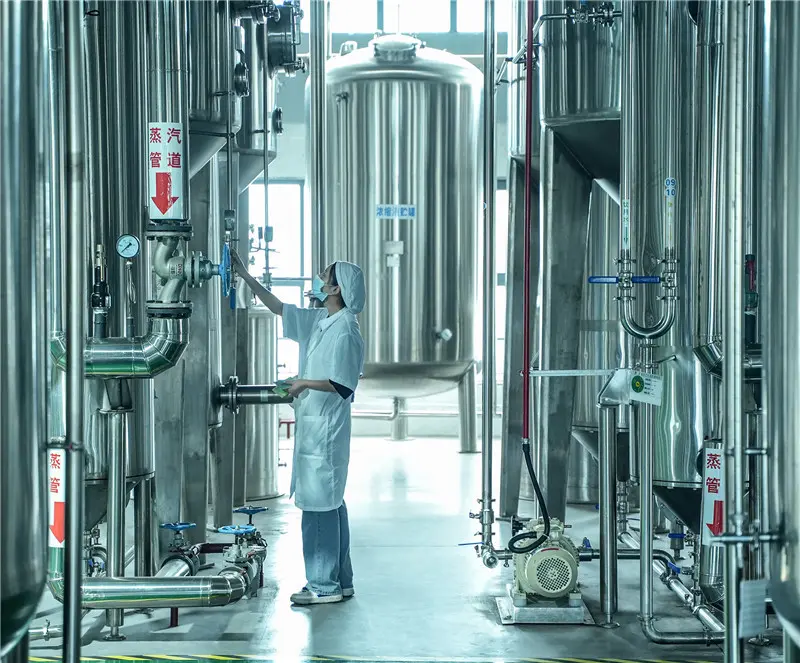
MedGence (Yineng Pharma) converges integrated chemical extraction pilot factories with on-site toxicology testing to minimize turnaround times and budget friction.
Unlike Western testing houses that operate in pure isolation from active pharmaceutical ingredient (API) manufacturing, our direct ownership of pilot plants and collaborative factories ensures real-time feedback loops. Toxicological flags trigger immediate re-engineering of extraction parameters.
By leveraging standardized, high-density cell-banking, robotic colony counting, and fully staffed on-site analytical departments, our standard Ames and in vitro micronucleus workflows complete in 3 to 5 weeks, compared to the 12 to 16 week lead times typical in North American or European facilities.
China's rich botanical biodiversity combined with our audited geo-traceable botanical raw materials ensures complete transparency. We control the supply chain from seasonal wildcrafted or cultivated harvest through to standardized dried active extract powders and GLP certificate issuance.
Pioneering New Approach Methodologies (NAMs) to transcend legacy animal models and achieve ultra-predictive genomic risk assessments.
Transitioning from manual microscopy to automated high-content confocal fluorescent imaging. Enables real-time multiparametric monitoring of histone γ-H2AX phosphorylation and p53 activation markers, identifying genotoxic thresholds at sub-cytotoxic concentrations.
Implementation of the transcriptomic DNA damage-inducing (TGx-DDI) biomarker panel. Measures expression shifts across 64 diagnostic target genes via targeted RNA-Seq, distinguishing direct genotoxic mechanisms from indirect stress-mediated cytotoxicity with 98% accuracy.
Pioneering human liver-on-a-chip and gut-on-a-chip fluidic systems. Recreating primary human hepatocyte metabolism to test unstable reactive metabolites that conventional rat S9 fractions systematically degrade or fail to synthesize.
Defensible documentation engineered for immediate submission across Western and Asian regulatory bodies.
Our study directors produce reports natively in full English and Chinese, adhering to ICH E3 / M4 Common Technical Document (CTD) standard formatting for eCTD submissions to the US FDA, EMA, Health Canada, TGA, and NMPA.
Quality Assurance (QA) oversees every assay phase under strict adherence to 21 CFR Part 58 and OECD Principles of Good Laboratory Practice. Electronic data captures feature indelible audit trails, timestamp integrity, and archival governance.
Custom formula development, patented extraction processes, and proprietary botanical preparations remain completely insulated. All programs execute under airtight bilateral NDAs with isolated cleanrooms and dedicated equipment trains.
Engage our specialized service modules as independent preclinical packages or as a turnkey solution from laboratory discovery to commercial batch manufacturing.

In-depth guidance for toxicologists, nonclinical regulatory affairs directors, and procurement managers.
Botanical extracts are multi-component chemical systems often rich in free amino acids, specifically histidine (utilized by Salmonella typhimurium) and tryptophan (utilized by Escherichia coli WP2 uvrA). When histidine is present in a test substance, it allows histidine-auxotrophic bacterial tester strains to undergo extra cell divisions on minimal glucose agar plates, causing pseudo-revertant colony growth that mimics true mutagenic activity.
At MedGence, we neutralize this interference by quantifying free amino acids via ion-exchange chromatography prior to testing. Where elevated histidine is identified, our Study Directors deploy pre-incubation modifications, extensive washing steps, or replace the Ames system with the mammalian In Vitro Micronucleus (OECD 487) and Mouse Lymphoma Assay (OECD 490) as permitted under ICH S2(R1) regulatory frameworks.
Under ICH M7(R2), impurities with structural alerts must be managed down to toxicologically acceptable limits (typically <1.5 µg/day lifetime exposure, or higher for short durations via the LNT concept). MedGence executes an integrated three-step workflow:
1. In Silico Derek/Sarah Assessment: Multi-engine QSAR analysis to evaluate mutation alerts for potential degradation and synthesis byproducts.
2. Targeted Micro-Ames Assays: Miniaturized 6-well or 24-well bacterial reverse mutation screening using milligrams of synthesized impurity isolate.
3. Process Purification: If mutagenicity is confirmed (Class 2 or 3), our CDMO process chemistry team re-engineers extraction solvent polarities, crystallization temperatures, or resin chromatography parameters to reliably purge the impurity below detectable TTC thresholds in the final botanical active.
For an FDA NDI notification or GRAS self-affirmation, the standard recommended battery consists of:
• A Bacterial Reverse Mutation Test (Ames, OECD 471) evaluating five tester strains (TA98, TA100, TA1535, TA1537, and WP2 uvrA or TA102) with and without rat liver S9 metabolic activation.
• An In Vitro Mammalian Cell Assay: Either an In Vitro Micronucleus Test (OECD 487) in human peripheral blood lymphocytes or a Mouse Lymphoma Assay (OECD 490).
If in vitro findings yield ambiguous results or biological relevance is questioned due to cytotoxicity, an in vivo erythrocyte micronucleus assay (OECD 474) combined with a rodent alkaline Comet assay (OECD 489) in glandular stomach and liver is conducted to prove absence of systemic clastogenicity.
ICH S2(R1) provides sponsors two equally defensible pathways for nonclinical registration:
• Option 1 (In Vitro Emphasis): Consists of an Ames test + an in vitro mammalian cell chromosome aberration or micronucleus test + an in vivo test (typically bone marrow micronucleus) covering systemic exposure.
• Option 2 (In Vivo Integration): Consists of an Ames test followed directly by two in vivo endpoints in different tissues (typically integrated rodent bone marrow micronucleus and an in vivo Comet assay, or a transgenic rodent gene mutation assay). Option 2 eliminates in vitro mammalian cell false positives caused by non-physiological culture stress, saving substantial clinical program time.
China is a member of the OECD Mutual Acceptance of Data (MAD) system for non-clinical safety studies adhering to Good Laboratory Practice (GLP). MedGence operates its nonclinical testing facilities under full OECD and US FDA 21 CFR Part 58 compliance.
All raw instrumentation data (flow cytometry, LC-MS, plate readers) are archived with automated audit trails and encrypted checksums. Every study is assigned an independent Study Director and monitored by an autonomous Quality Assurance Unit (QAU), which issues signed compliance statements acceptable directly to Western regulators without mandatory study repeats.
For a standard Tier 1 in vitro battery (Ames OECD 471 + In Vitro Micronucleus OECD 487), we typically require 15 to 25 grams of botanical extract or pure active substance, accompanied by a Certificate of Analysis (CoA) confirming purity, moisture content, and storage conditions. If dose formulation analysis requires specialized HPLC method validation, an additional 5 grams is requested.
If testing proceeds into in vivo rodent models (OECD 474/489), material quantity is governed by animal body weight and maximum tolerated dose (MTD), generally necessitating between 100 to 500 grams of material. Because MedGence possesses in-house extraction pilot facilities, we can extract and produce the required high-purity test material directly from raw plant biomass if required.
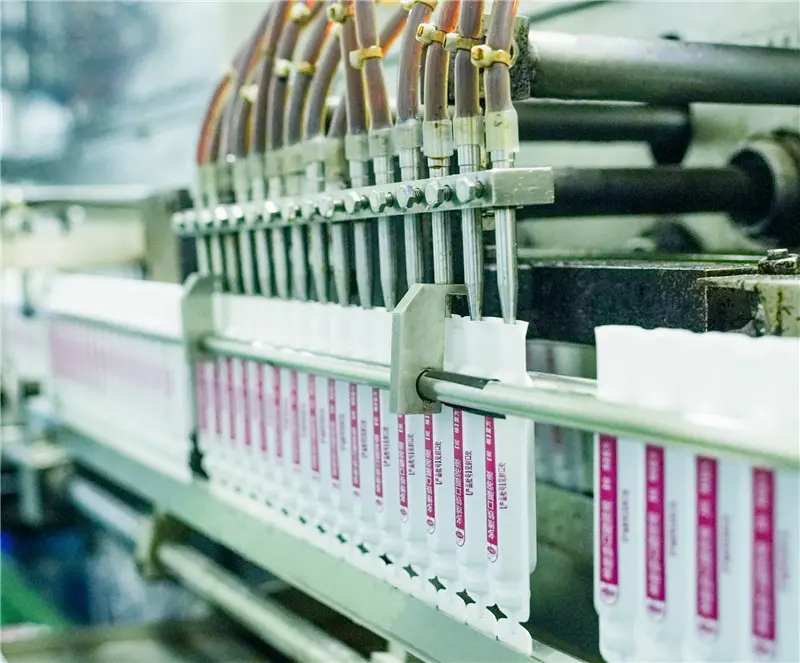
Yes. MedGence is an integrated CRO & CDMO. Unlike analytical-only facilities, our pilot plant and collaborative full-scale factories provide contract development and manufacturing for both active ingredients (concentrated liquids, powders, pastes, volatile oils) and finished dosage forms (oral solutions, two-piece hard capsules, softgels, tablets, and granules).
Once safety dossiers are finalized, our process development team scales your validated parameters directly to metric-ton production lines under cGMP-compliant operating systems, providing clients an unbroken continuum from bench discovery to supermarket and pharmacy shelves.
Consult directly with our toxicologists and nonclinical study directors. Submit your target botanical active, regulatory timeline, and formulation objectives for a tailored testing protocol.