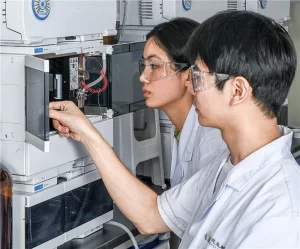
Explore our validated service catalog from preliminary botanical active compound extraction to international regulatory Phase IV human trials.
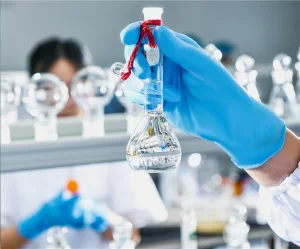
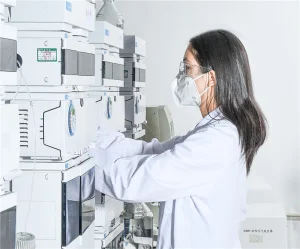

Strategic procurement executives face systemic supply chain vulnerabilities, multi-jurisdiction regulatory thresholds, and purity variances when sourcing botanical pharmaceuticals.
In modern biopharmaceutical manufacturing, partnering with an ODM Contract Manufacturing Organization (CDMO/CRO) is no longer just a tactical outsourcing maneuver for capacity arbitrage; it is a fundamental pillar of biopharmaceutical risk mitigation and product lifecycle optimization. Natural products and botanical active pharmaceutical ingredients (APIs) present complex biochemical profiles compared to synthetic small molecules. Variations in geographical terroir, seasonal rainfall, soil microbiome, and harvesting schedules introduce major natural variances into raw plant extracts.
Global pharmaceutical procurers and category leaders demand strict supplier qualifications to maintain batch-to-batch consistency and regulatory compliance across the US FDA (Botanical Drug Guidance), EMA (Committee on Herbal Medicinal Products - HMPC), and NMPA standards. Transitioning from early discovery to commercial manufacturing requires deep contract manufacturing capabilities that address four major enterprise procurement pillars:
Unbroken digital provenance tracking from Good Agricultural and Collection Practices (GACP) wildcrafting farms directly to extraction vessels, eliminating batch adulteration risks.
Exhaustive profiling verifying compliant maximum residue limits for organochlorine pesticides, heavy metals (Pb, As, Cd, Hg), polycyclic aromatic hydrocarbons (PAHs), and mycotoxins.
Turnkey compilation of Drug Master Files (DMF), Certificates of Suitability (CEP), and Common Technical Document (CTD) Module 3 quality sections for rapid NDA/IND filings.
Seamless engineering transitions from 50L pilot optimization reactors to 10,000L high-throughput continuous commercial extraction lines without profile shifts.
MedGence (Yineng Pharma) operates an end-to-end translation pipeline bridging laboratory discoveries with international commercial cGMP manufacturing.
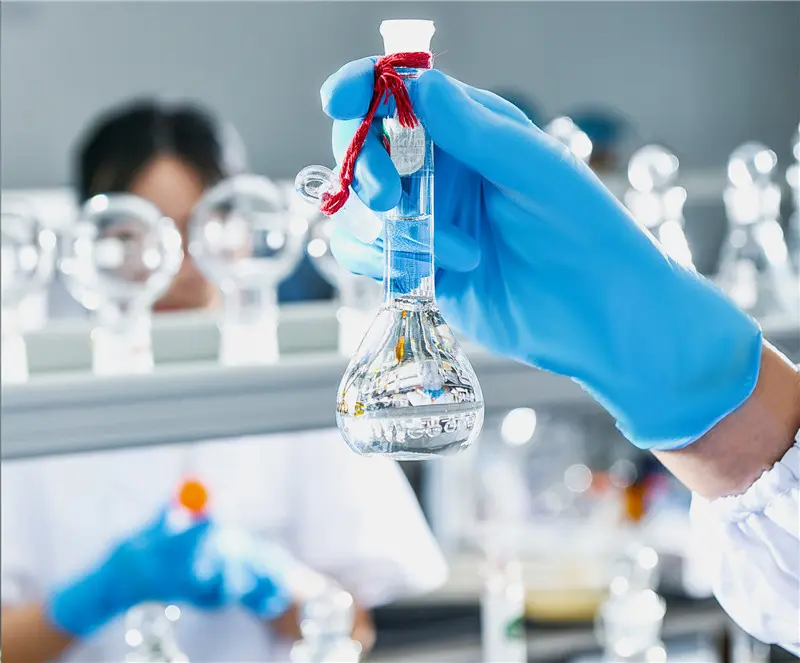
Using systematic chromatographic isolation and bio-guided fraction assays, we map alkaloids, polyphenols, polysaccharides, and triterpenoid saponins to target receptor affinities, balancing yield with economic sustainability.
View Service Architecture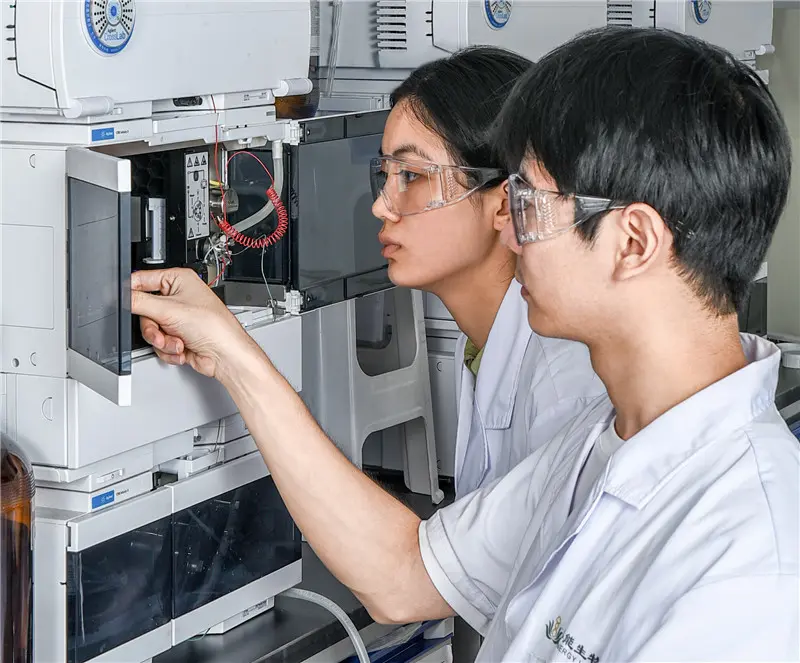
Quantitative metabolomic analysis pinpointing active fraction concentrations across geoclimatic zones and growth cycles, enabling global brands to secure long-term raw supply contracts with predictable yields.
View Service Architecture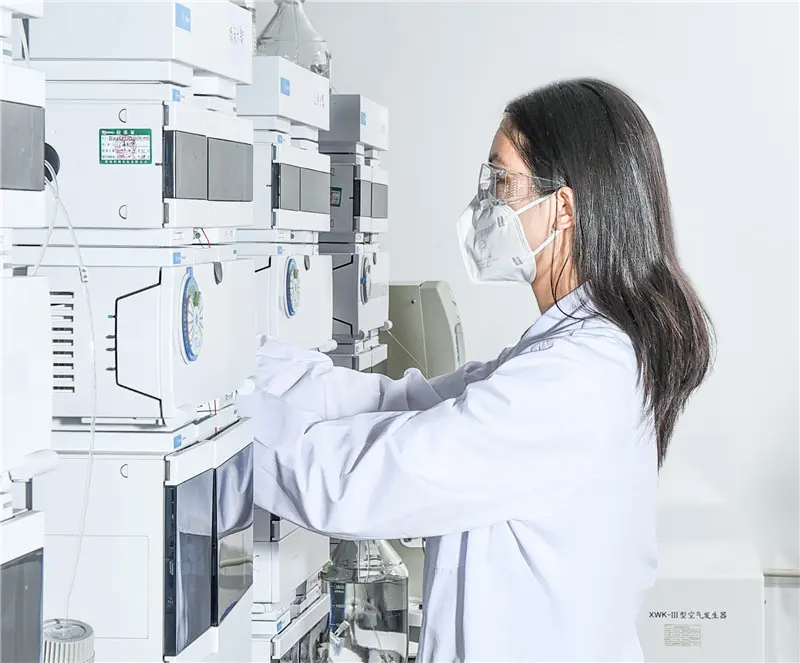
Establishing robust chromatographic fingerprints, quantitative marker assays, and impurity profiles via validated HPLC, UPLC-MS/MS, GC-FID, and HPTLC conformant with ICH Q2(R1) guidelines.
View Service Architecture
Optimization of critical process parameters (CPPs) in multi-stage solid-liquid extraction, macroporous resin fractionation, countercurrent chromatography, and crystallographic stabilization.
View Service Architecture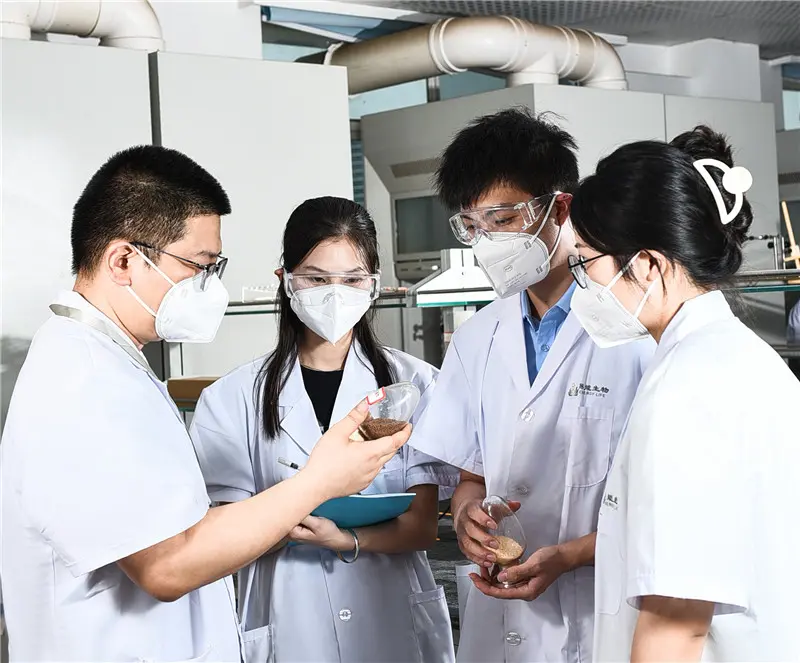
Resolving formulation bottlenecks including hygroscopicity, low dissolution rates, and oxidative degradation to produce shelf-stable capsules, functional sachets, oral liquids, and tableting matrices.
View Service Architecture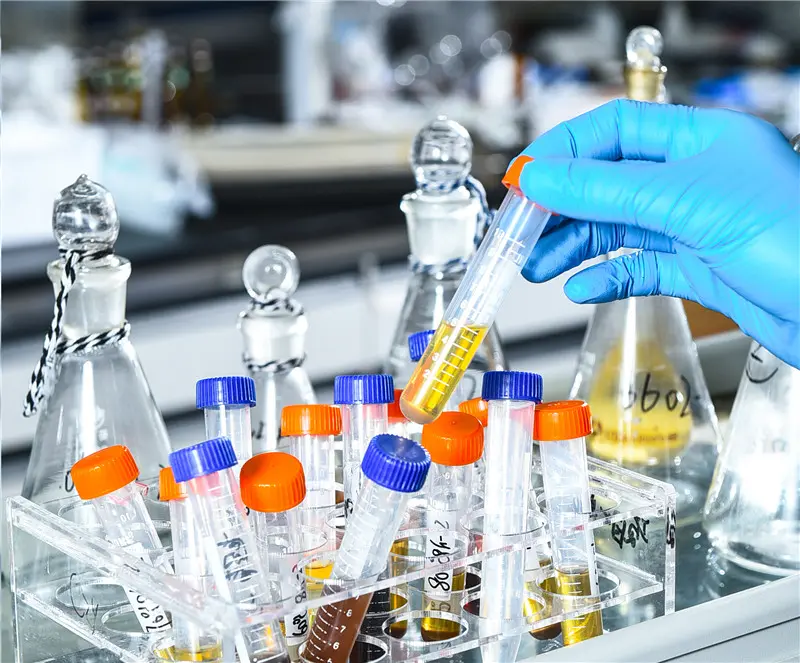
Full GLP-compliant toxicological packages comprising acute single-dose LD50 assays, 28/90-day repeat-dose chronic toxicity, Ames bacterial reverse mutation tests, and in vivo chromosomal aberration assays.
View Service Architecture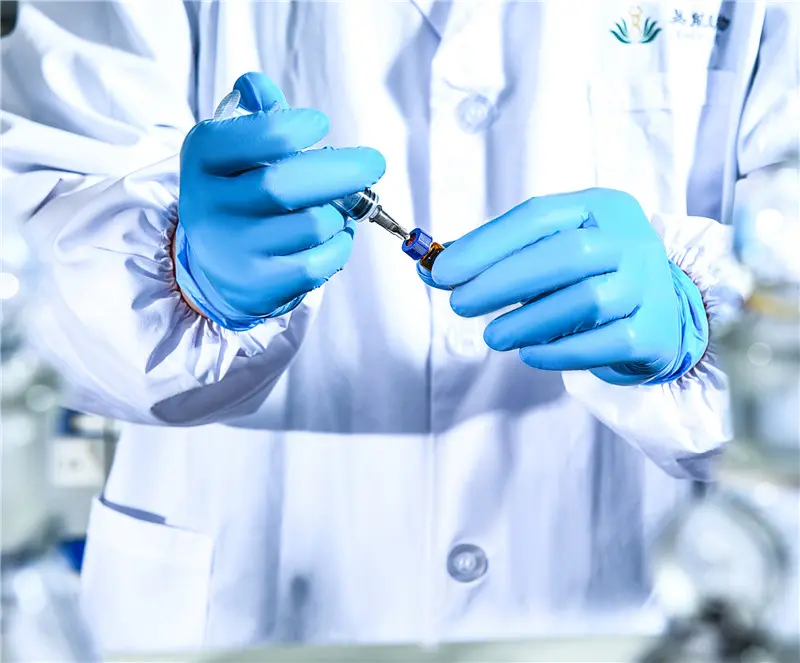
Target-specific pathway screening (e.g., AMPK activation, NF-κB inhibition, DPP-4 blockade, antiviral viral plaques) providing reliable mechanistic data before preclinical in vivo stages.
View Service Architecture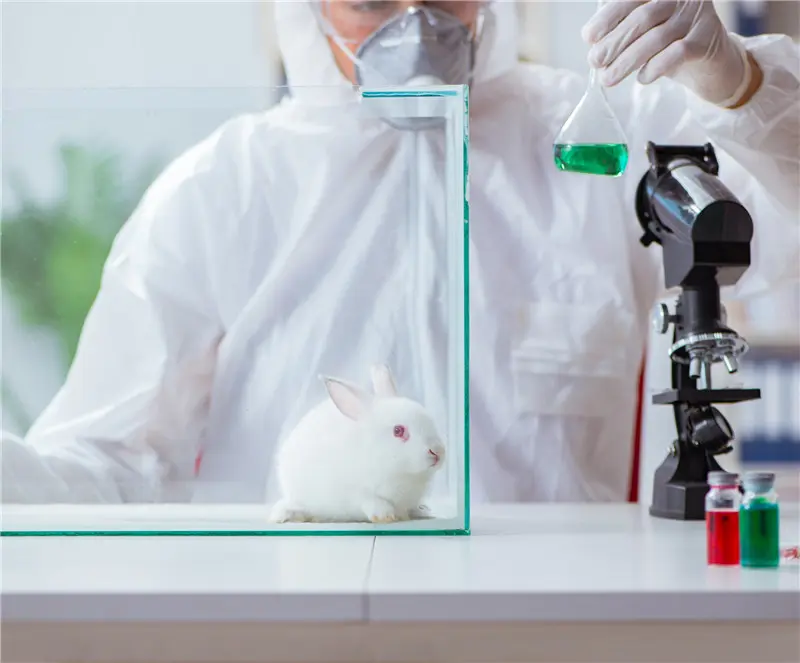
Validated rodent disease modeling spanning metabolic syndrome, inflammatory bowel disease, neuroprotection, and hepatoprotection with pharmacokinetics (PK) and ADME bio-distribution reporting.
View Service Architecture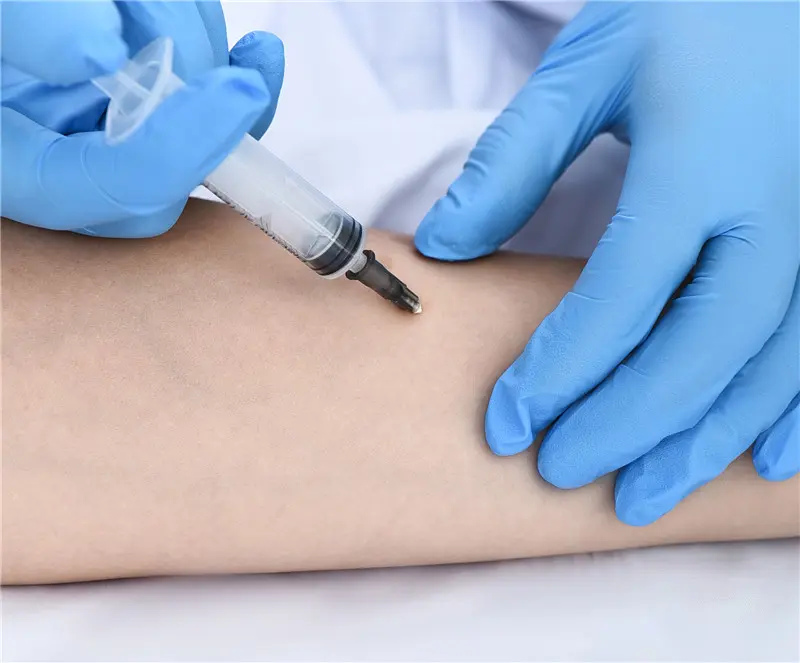
Comprehensive clinical trial execution from pilot proof-of-concept human trials for nutraceuticals to randomized, double-blind, multicenter Phase I–IV trials for pharmaceutical botanical IND/NDA approvals.
View Service Architecture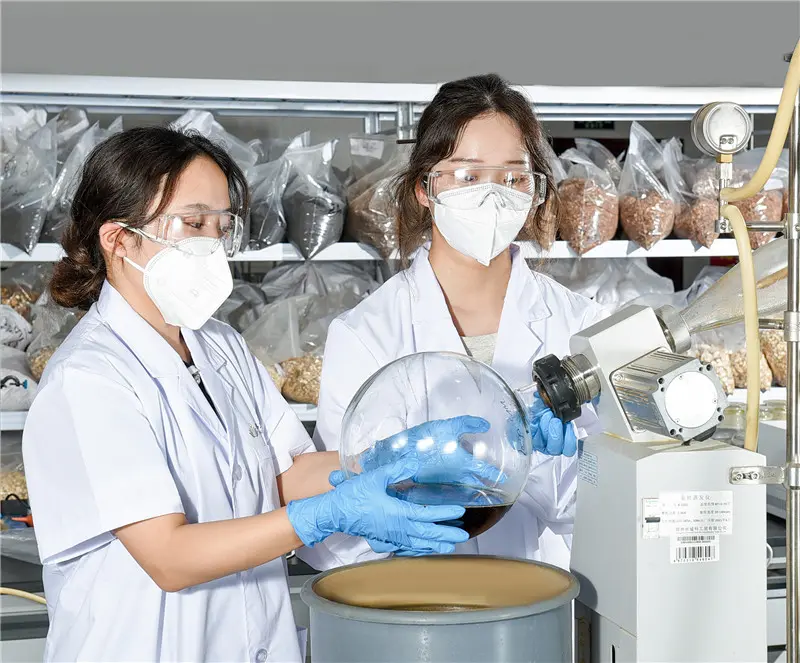
Transforming classical multi-herb TCM decoctions into purified, standard-ratio micro-granules and standardized co-extracts with well-defined active constituents and validated mechanisms.
View Service Architecture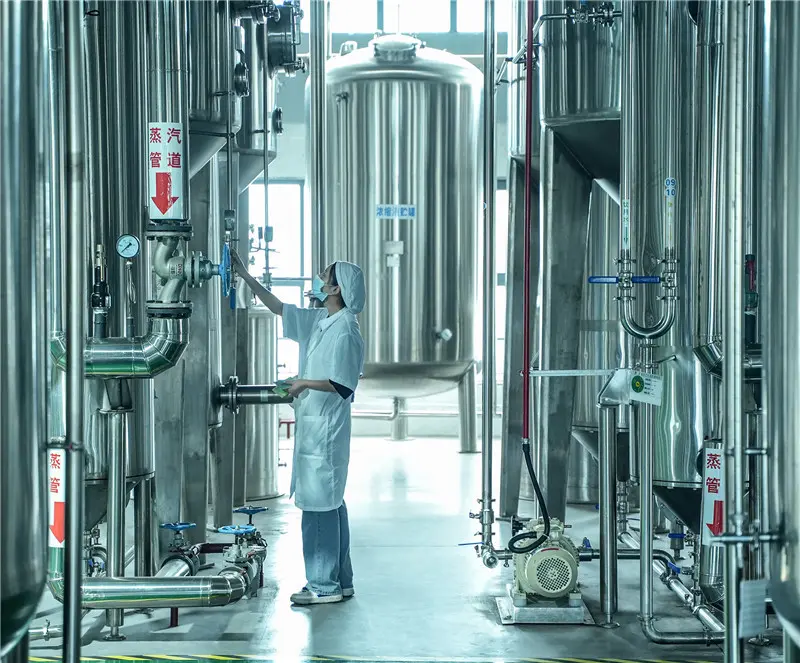
Commercial-scale supply of high-purity extracts, isolated phytochemical markers, vacuum-dried pastes, standardized powders, and supercritical volatile oils delivered under strict non-disclosure protections.
View Service Architecture
End-to-end commercial contract manufacturing for finished dosage formats: oral solutions, softgels, vegetarian hard capsules, enteric-coated tablets, and soluble sachet packaging.
View Service ArchitectureIntegrating computational cheminformatics, continuous micro-chromatography, and closed-loop process analytical technology (PAT) into the next decade of botanical manufacturing.
The botanical and natural medicine manufacturing sector is moving away from empirical batch operations toward AI-assisted, continuous downstream processing. Historically, natural product development was hindered by complex chemical matrices, batch variance, and trace contamination risks. Today, next-generation contract manufacturing organizations apply automated high-performance separations and computational network pharmacology to make natural extracts as reproducible as synthetic small molecules.
Machine-learning models trained on tens of thousands of natural compounds predict multi-target affinity profiles and metabolic clearance pathways before wet-lab chemical synthesis.
Real-time near-infrared (NIR) spectroscopy and in-line Raman probes integrate with automated extraction skids to dynamically adjust solvent feeds and hold times, standardizing critical quality attributes.
Replacing toxic organic solvents with supercritical carbon dioxide (scCO2) and natural deep eutectic solvents (NADES), yielding zero solvent residues and supporting global sustainability mandates.
Comprehensive untargeted metabolomics via high-resolution LC-QTOF-MS captures 2D chemical barcodes for raw herbs, ensuring absolute consistency across international production sites.
Over 14 years of scientific rigor supporting multinational pharmaceutical manufacturers, university hospitals, and clinical research institutions.
Our contracted research, analytical development, and OEM scale-up operations power major brands across the global healthcare landscape.





Preserving enterprise proprietary advantage under strict entrusted research covenants, dedicated cleanrooms, and cross-border regulatory auditing.
Every commercial engagement is bound by bilateral non-disclosure agreements with project firewalls. Client formulations, synthetic routes, and extraction parameters remain exclusively proprietary to the sponsor.
Pilot plants and associated manufacturing facilities operate under comprehensive Quality Management Systems aligned with WHO-GMP, EU-GMP, and US FDA 21 CFR Part 111 / Part 211 guidelines.
Strategically situated in Changsha, Hunan—a major hub for botanical extraction science in China—providing deep access to regional botanical herb sourcing, international air/sea freight lanes, and multilingual regulatory project leads.
Clear answers addressing technical scope, regulatory support, batch scalability, and commercial timelines.
MedGence (Yineng Pharma) delivers unified, single-source natural medicine contract development: botanical active compound screening, origin/seasonal potency optimization, validated chromatographic assay establishment, pilot extraction optimization, preclinical in vitro/in vivo toxicity & efficacy programs, human Phase I–IV clinical trials, and commercial cGMP OEM finished dosage manufacturing.
Yes. Our in-house research laboratories and directly supervised pilot-to-commercial extraction facilities are governed by an aligned scientific leadership team. This eliminates the technology transfer failures, parameter discrepancies, and intellectual property leakage common when working with fragmented CROs and CDMOs.
Depending on the target botanical matrix, we employ High-Performance Thin-Layer Chromatography (HPTLC) for botanical identification, HPLC/UPLC coupled with diode-array (DAD) and mass spectrometry (LC-MS/MS) for quantitation, Gas Chromatography (GC-FID/MS) for volatile terpenes, and comprehensive chromatographic fingerprint similarity matching.
We work exclusively on an entrusted, work-for-hire contract research and contract manufacturing basis. Comprehensive non-disclosure agreements (NDAs) govern all sponsor materials. All generated IP, optimized parameters, analytical validation protocols, and regulatory filings belong 100% to the client sponsor.
Bioactive raw materials can be supplied as concentrated fluid extracts, standardized vacuum-dried fine powders, semi-solid purified pastes, and supercritical essential oils. Finished product delivery formats include oral solutions, soft gelatin capsules, two-piece hard vegetable capsules, enteric-coated tablets, and soluble micro-granules.
Yes. In addition to proof-of-concept dietary supplement trials, we design and execute Phase I (Safety & Tolerability), Phase II (Dose Ranging & Efficacy), Phase III (Multicenter Pivotal Trials), and Phase IV (Post-Marketing Surveillance) clinical studies structured for FDA, EMA, or NMPA botanical drug applications.
Directly engage our pharmaceutical laboratories for custom study packages, analytical method establishment, and pilot batch runs.