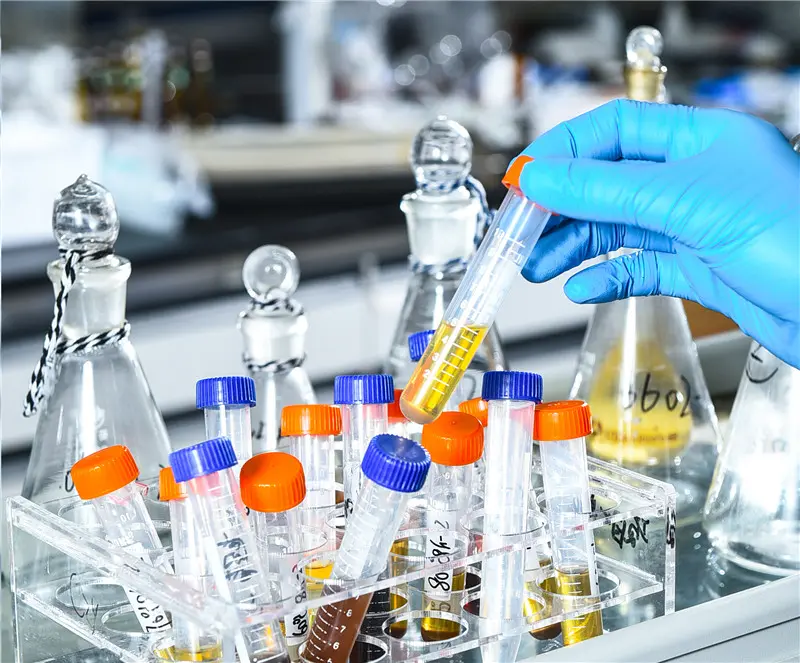
Full-spectrum validation pipelines engineered to insulate offshore brand owners from ODM execution and potency vulnerabilities.






Original Design Manufacturing (ODM) delivers swift route-to-market advantages, but introduces substantial operational, regulatory, and chemistry liabilities if the contract partner operates without rigorous CRO-level standardization.
Unlike synthetic small molecules, botanical raw materials are subject to severe batch variance. Soil nitrogen fluctuations, altitude disparities, and uncalibrated harvest cycles can cause active bio-marker concentrations (such as ginsenosides, polysaccharides, or flavonoids) to fluctuate upwards of ±40%, undermining therapeutic consistency.
Traditional ODM relationships frequently blur proprietary formula ownership. When white-label manufacturers control both raw synthesis parameters and finished tablet/capsule design, brand owners risk intellectual encapsulation, unauthorized derivative commercialization, or unshielded vendor lock-in.
Inadequate chromatographic method establishment creates severe discrepancies between Chinese Pharmacopoeia (ChP), United States Pharmacopeia (USP), and European Pharmacopoeia (EP). Method divergence in HPLC/GC or fingerprint validation triggers sudden customs rejections, heavy metal alerts, and labeling recalls.
Transferring bench-scale extraction protocols to 10-ton industrial extractors without thermodynamic profiling leads to thermal destruction of heat-labile actives, localized charring, unpredicted polymorph shifts, and dissolution failures in commercial solid dose formulations.
| Risk Dimension | Conventional ODM / Brokered Supplier | MedGence CRO / CDMO Risk-Insulated Model | Auditable Assurance Metrics |
|---|---|---|---|
| Botanical Origin & Purity | Open-market spot buying; bulk composite lot blending hiding seasonal variance. | Geographic sourcing traceability across 400+ single-herb origins with seasonal yield assays. | HPTLC multi-source fingerprinting + seasonal potency indices. |
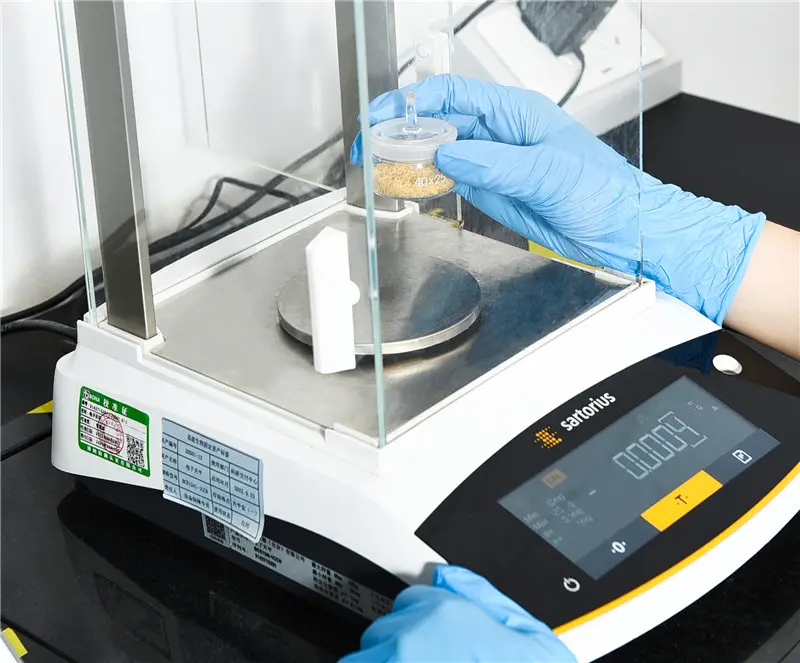
| Methodology & QC | Generic non-validated photometric/UV assay tests susceptible to adulteration. | Tailored HPLC, GC-MS/MS, and high-performance thin-layer chromatography methods. | ICH Q2(R1) validated analytical certificates with resolution thresholds. |
| Toxicology & Preclinical | Paper-trail compliance only; no empirical biological safety validation. | In-house LD50 acute/chronic toxicity assays, GLP animal models, genotoxicity studies. | Toxicology dossier compliant with FDA NDI / EFSA Novel Food protocols. |
| IP & Process Governance | Manufacturer-owned formulations, vendor lock-in, non-segregated production. | Strict contract research entrustment; complete transfer of technical dossier to client. | Bilateral legal NDA, compartmentalized cleanroom batches, raw data custody. |
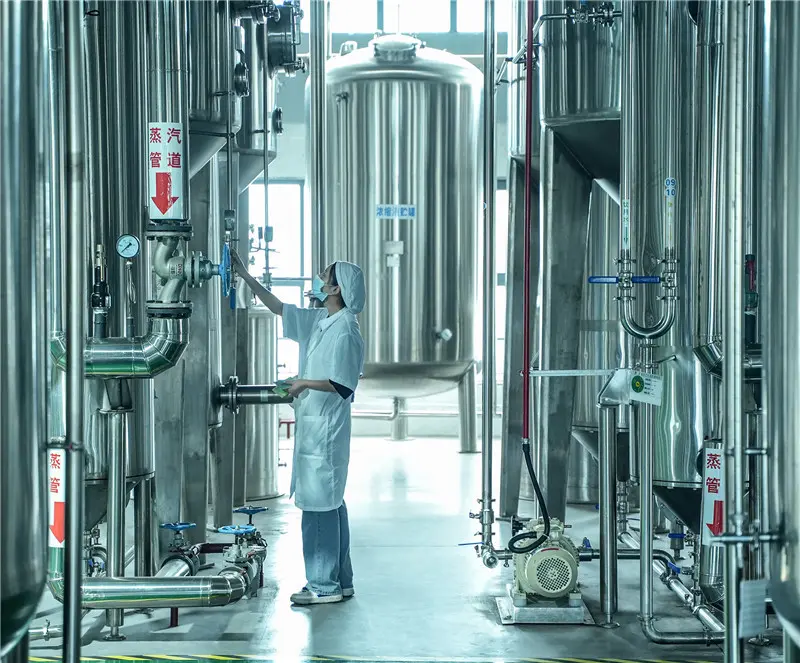
How modern Chinese botanical CDMO manufacturing facilities resolve historic ODM vulnerabilities through SCADA-controlled continuous extraction, automated chromatography, and digital closed-loop data architecture.
By deploying supervisory control and data acquisition (SCADA) across multi-stage counter-current extraction units, temperatures are regulated to within ±0.5°C. Critical solvent-to-material ratios and flow pressures are algorithmically governed, preserving bio-active tertiary structures while slashing solvent usage by 38%.
Transitioning from manual resin packing to robotic dynamic axial compression columns guarantees consistent elution profiles for high-purity monomeric fractions. Real-time UV-Vis optical sensors automatically divert effluent streams based on precise absorption thresholds, eliminating cross-contamination.
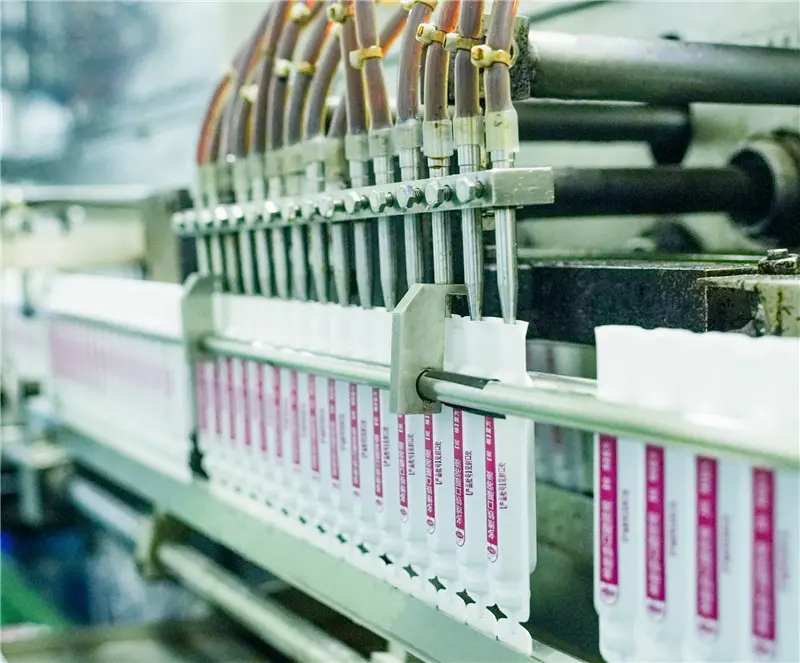
To satisfy stringent FDA 21 CFR Part 11 and EU GMP Annex 11 demands, our manufacturing execution system (MES) enforces unalterable, automated data logging from raw botanical entry through spray drying to final secondary packaging, ensuring zero risk of post-hoc test manipulation.
Enterprise pharmaceutical brands and multinational dietary supplement leaders are actively restructuring their supply architecture to mitigate cross-border supply chain shocks and regulatory liabilities.
Regulatory agencies including the US FDA, Health Canada, and EMA have significantly stepped up enforcement regarding pesticide residues, solvent traces (such as ethylene oxide), and undeclared carriers (maltodextrin spiking). Procurement leaders can no longer rely on simple certificate of analysis (CoA) affirmations; they require end-to-end chromatogram transparency.
The era of unsubstantiated herbal marketing is over. Tier-one supplement and nutraceutical enterprises demand randomized, double-blind, placebo-controlled human clinical trials to defend health claims against consumer litigation and regulatory sanctions, transforming suppliers from simple toll processors into clinical partners.
Global geopolitical realignment has prompted multinational procurement departments to adopt "China+1" hedging strategies. Concurrently, within China, procurement has consolidated toward high-capitalized CDMOs capable of maintaining robust buffer stock, automated warehousing, and certified direct shipping pipelines to Europe, North America, and Southeast Asia.
Bridging the gap between raw natural chemistry and market-ready commercial dosage forms across diverse global regulatory jurisdictions.
Targeting metabolic health, sleep architecture, cognitive support, and immunity. We resolve organoleptic bitterness, compound moisture sensitivity, and stability degradation in gummies, effervescent tablets, and two-piece hard capsules.
Rigorous chemistry, manufacturing, and controls (CMC) documentation supporting botanical drug development. Complete with GLP safety pharmacology, dose-ranging animal models, pharmacokinetic (PK) profiling, and Phase I–IV clinical execution.
Clean-label botanical actives validated via in vitro skin-equivalent models (e.g., inhibition of tyrosinase, ROS scavenging, elastase suppression) to substantiate anti-inflammatory, barrier repair, and photoprotection claims.
Detailed answers for technical sourcing directors, QA teams, and pharmaceutical project leaders.
Partner with an integrated manufacturer capable of guiding your botanical pipeline from raw seed screening to scaled commercial release.