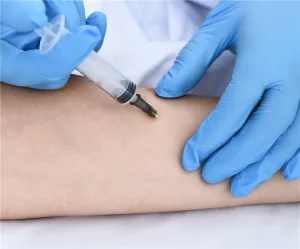
Integrate standardized in vivo testing, GLP-compliant toxicological screening, and tailored translational models into your therapeutic validation roadmap.

Navigating the paradigm shift from basic rodent studies to genetically humanized models, disease-specific phenotype fidelity, and strict international 3R compliance.
Traditional preclinical in vivo testing suffers from high failure rates in clinical Phase II/III transitions, largely caused by standard wild-type rodent models failing to recapitulate complex human immunology, tumor microenvironments, and chronic metabolic cascades.
Global pharmaceutical entities require customized ODM animal research models—including humanized immune checkpoint mice, patient-derived xenograft (PDX) hosts, and spontaneous metabolic dysfunction-associated steatohepatitis (MASH) models—to achieve predictive pharmacokinetic and pharmacodynamic data.
While global guidelines increasingly integrate organ-on-chip and computational biology, regulatory agencies including the US FDA, EMA, and NMPA strictly mandate integrated in vivo preclinical dossiers prior to First-in-Human (FIH) trials.
The imperative has moved from quantity to mechanism-specific precision. Animal models must exhibit verified genetic stability, quantifiable target engagement, and GLP-validated bioanalytical endpoints with zero pathogen interference (SPF/VAF barriers).
Evaluating complex botanical formulas and multi-component Traditional Chinese Medicine (TCM) active fractions demands bespoke animal systems that allow synchronous tracing of multiple active metabolites, gut microbiome interactions, and systemic synergy.
MedGence bridges this gap by engineering customized disease models that reflect clinical multi-factorial syndromes, moving herbal drug discovery from empirical observation to mechanistic molecular pharmacology.
Why leading global biotech pioneers, contract research sponsors, and academic consortia partner with our Changsha production and breeding clusters.
Leveraging high-density automated micro-isolation IVC cages and automated environmental controls, our breeding clusters provide scalable delivery cohorts in weeks, slashing Western lead times by over 40%.
Strict adherence to international pathogen-free protocols. Every batch is certified via comprehensive genetic marker testing, quarterly microbiological auditing, and full chain-of-custody documentation.
Direct synergy between breeding centers and analytical pharmacology laboratories. From target molecule screening to in vivo pharmacokinetics, all assays run under an unified technical administration.
Optimized operating structures and centralized supply ecosystems deliver 30% to 55% reduction in total cost of study ownership compared with North American and European contract breeders.
Years In Vivo R&D Experience
Specialist Scientists & Technicians
TCM Formulations Validated
Herbal Standardization Protocols
Engineered to simulate human therapeutic indications across oncology, metabolic syndromes, neurodegeneration, and herbal pharmacology.
Phenotype Scope: Severely immunodeficient backgrounds (NSG, NCG, BRG) engrafted with human CD34+ hematopoietic stem cells or peripheral blood mononuclear cells (PBMC).
ODM Customization: Co-expression of human cytokines (IL-3, GM-CSF, IL-15), patient-derived tumor fragment implantation, and customized immune checkpoint knock-ins (PD-1, CTLA-4, TIGIT) for evaluating bispecific antibodies and natural anti-tumor polysaccharides.
Phenotype Scope: Diet-induced obesity (DIO), streptozotocin (STZ)-challenged diabetic states, and high-fat choline-deficient methionine-attenuated diets inducing liver fibrosis.
ODM Customization: Longitudinal serum biomarker tracking, non-invasive liver lipid ultrasound profiling, dynamic glucose-insulin clamp validation, and tissue-specific target gene knockouts.
Phenotype Scope: Transgenic Alzheimer’s models (APP/PS1, 5xFAD), chemical-induced Parkinson's (MPTP, 6-OHDA), and senescence-accelerated mouse prone (SAMP8) platforms.
ODM Customization: Standardized Morris water maze tracking, neuroinflammatory cytokine micro-dialysis, and customized dietary phytochemical regimens evaluating anti-tau aggregation and cognitive restoration.
Phenotype Scope: Dextran sulfate sodium (DSS)-induced colitis, collagen-induced arthritis (CIA), and imiquimod-induced psoriasiform dermatitis models.
ODM Customization: Microbiota-depleted or gnotobiotic colonizers, gut permeability (FITC-dextran) flux profiling, and flow-cytometry Th17/Treg balance quantification for natural immunomodulators.
Phenotype Scope: Sprague-Dawley (SD) rats, Wistar rats, Beagle dogs, and Cynomolgus monkeys maintained in SPF quarantine suites.
ODM Customization: Comprehensive single-dose (LD50), repeated-dose 28/90-day sub-chronic toxicity, hERG cardiac telemetry assays, Ames genotoxicity, and full histopathological organ slice processing.
Phenotype Scope: Pharmacodynamic comparative systems mapping bioactivity variance of extracts harvested across diverse geographies and plant maturity windows.
ODM Customization: Pharmacokinetic area-under-the-curve (AUC) correlation across batches, confirming that chemical chromatographic variance correlates with verified in vivo potency.
How artificial intelligence, CRISPR precision editing, and multi-omic phenotyping are redefining preclinical predictability.
Traditional manual behavioral testing introduces observer subjectivity and circadian disruptions. The cutting edge relies on non-invasive, AI-driven computer vision arrays operating 24/7 inside home cages.
These systems automatically calculate motor agility, subtle neurological tremors, social interactions, and pain-related postural changes, providing continuous objective phenotypic biomarkers long before clinical mortality occurs.
Preclinical failure in metabolic and immuno-oncology drugs frequently traces back to distinct differences between rodent and human gut microbiota. Germ-free rodent colonies colonized via human fecal microbiota transplantation (hFMT) are becoming baseline expectations.
MedGence deploys gnotobiotic platforms to analyze the biotransformation of complex herbal saponins and flavonoids by human commensal microflora into bioactive secondary metabolites.
The industry has outgrown crude chemical knockout techniques. Multiplex CRISPR gene insertion allows point-mutation insertion matching specific human oncology mutations (e.g., KRAS G12D, EGFR exon 20 insertions) within single-generation breedings.
This accelerates contract model creation from 18 months down to less than 16 weeks, offering customizable models tailored to rare human disease targets.
Key technical parameters global sourcing directors, biopharma purchasing managers, and CRO heads must evaluate before selecting an ODM animal model partner.
| Evaluation Dimension | Legacy Supplier Standard | MedGence ODM Technical Standard | Client Strategic Value |
|---|---|---|---|
| Health & Pathogen Barrier | Conventional Clean / Basic SPF certification. | VAF / Extreme SPF Barrier, screened for 40+ murine viral, bacterial, and parasitic pathogens quarterly. | Zero unexpected study interruption; eliminates confounding immunological variables. |
| Genetic Uniformity | Periodic phenotypic sampling; variable drift across breeding generations. | Next-Gen Sequencing (NGS) verified; SNP marker panels applied to guarantee >99.9% genetic homogeneity. | Consistent drug response reproducibility between preclinical study batches. |
| Customization Agility (ODM) | Standard off-the-shelf inventory only; 12+ month wait for transgenic alterations. | Full ODM Engineering: Bespoke disease model induction, dual-humanization, and tailored diet protocols in <16 weeks. | De-risks first-in-class novel targets; accelerates patent filing timelines. |
| Data Package Completeness | Basic animal weight and viability charts upon dispatch. | Complete Translational Dossier: FACS immunophenotyping, PK/PD AUC curves, histopathology images, and GLP audits. | Immediate submission-ready documentation for US FDA, EMA, or NMPA IND filing. |
| Cold Chain Biosafety Logistics | Third-party generic live animal transport with stress risks. | Dedicated Temperature-Monitored HEPA Crates, priority IATA live-specimen air routing, climate-tracked transit. | Animals arrive acclimated with zero immune compromise or transit stress mortality. |
Detailed technical responses on quarantine protocols, breeding contracts, model customization, and international bio-shipment.
Direct access to end-to-end translational pipelines: from active ingredient discovery and analytical method creation to full clinical Phase 1-4 trial administration.