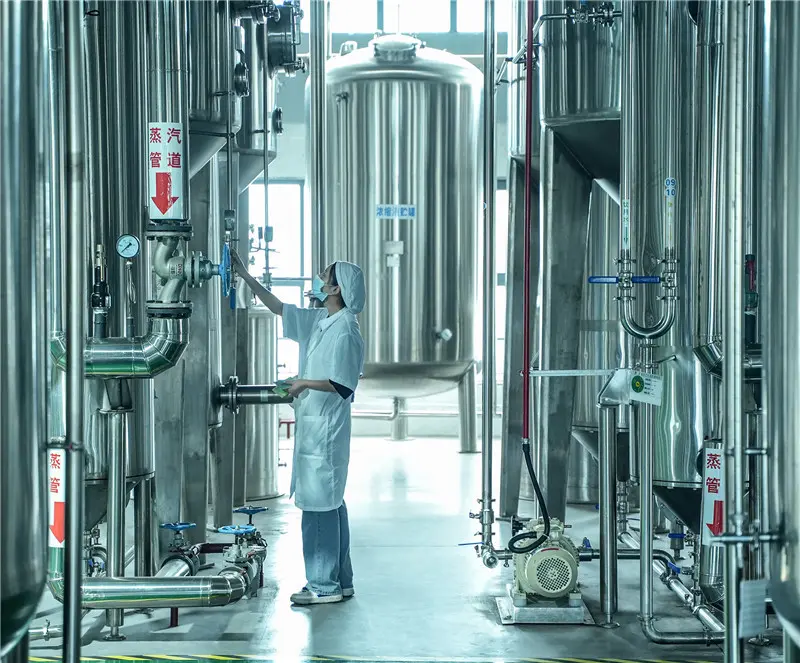
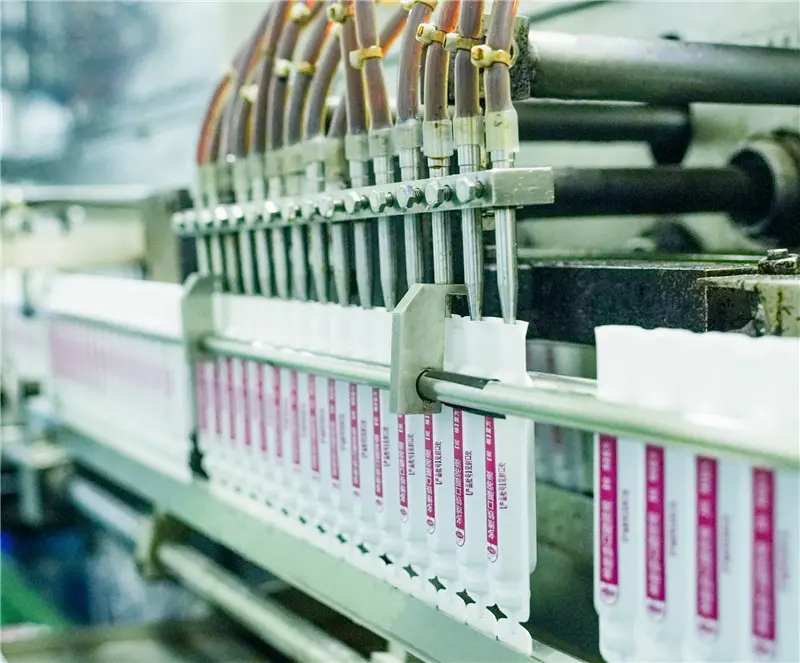
Fully compliant analytical validation, biological verification, and industrial process scale-up managed by MedGence (Yineng Pharma).






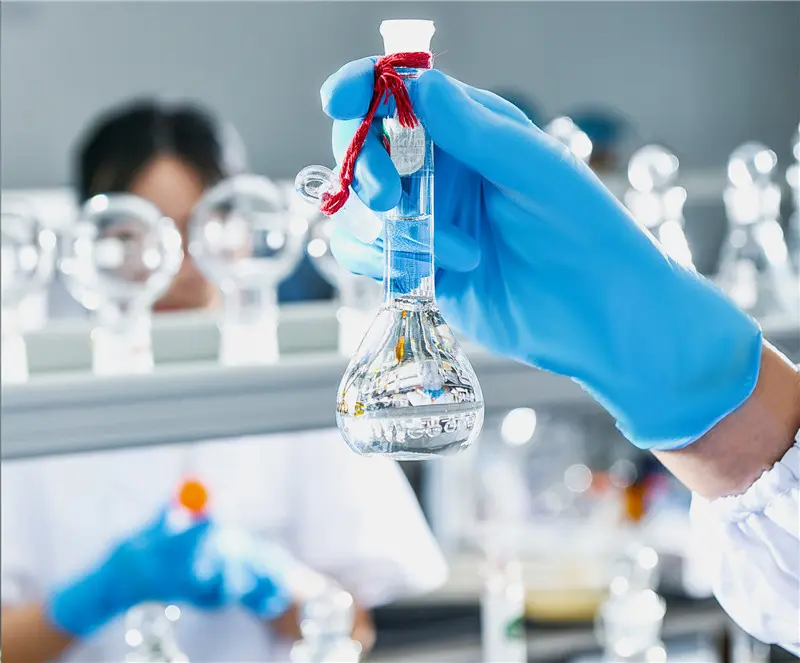
Alkaloids represent one of the most therapeutically potent yet chemically intricate classes of secondary metabolites derived from flora.
The global alkaloid and derived phytochemical active pharmaceutical ingredient (API) market is projected to reach USD 14.8 Billion by 2030, driven by rising demand in oncology, neurological disorders, pain management, and metabolic syndromic treatments.
Pharmaceutical formulators are transitioning from synthetic alternatives back toward high-purity natural and semi-synthetic alkaloids due to targeted receptor affinities, lower systemic toxicities, and enhanced stereospecific bioavailability.
Traditional batch extraction often yields unstable stereoisomers, high solvent residue, and excessive degradation of heat-sensitive nitrogenous ring structures.
Leading CDMOs have invested heavily in multi-stage continuous counter-current extraction (CCE), supercritical CO2 processing, and simulated moving bed (SMB) chromatography to yield purities beyond 99.0% with stringent limits on genotoxic impurities.
Global regulators mandate full chromatographic fingerprinting, quantitative impurity profiling (residual alkaloids, heavy metals, organochlorine pesticides), and batch reproducibility validation.
Contract manufacturers operating on ODM paradigms must provide complete audit-ready CTD Module 3 (Chemistry, Manufacturing, and Controls) dossiers to ensure fast transatlantic approval.
Transitioning from empirical botanical extraction to AI-driven molecular docking and continuous micro-fluidic synthesis.
Machine learning algorithms model structural binding affinities before extraction trials begin, predicting secondary byproduct formations and optimizing solvent dielectric constants for target isoquinoline, indole, and tropane frameworks.
Transitioning from volatile halogenated solvents to biocompatible Deep Eutectic Solvents (NADES). This drastically reduces environmental carbon footprint while increasing botanical cell-wall lysis and active alkaloid recovery by over 34%.
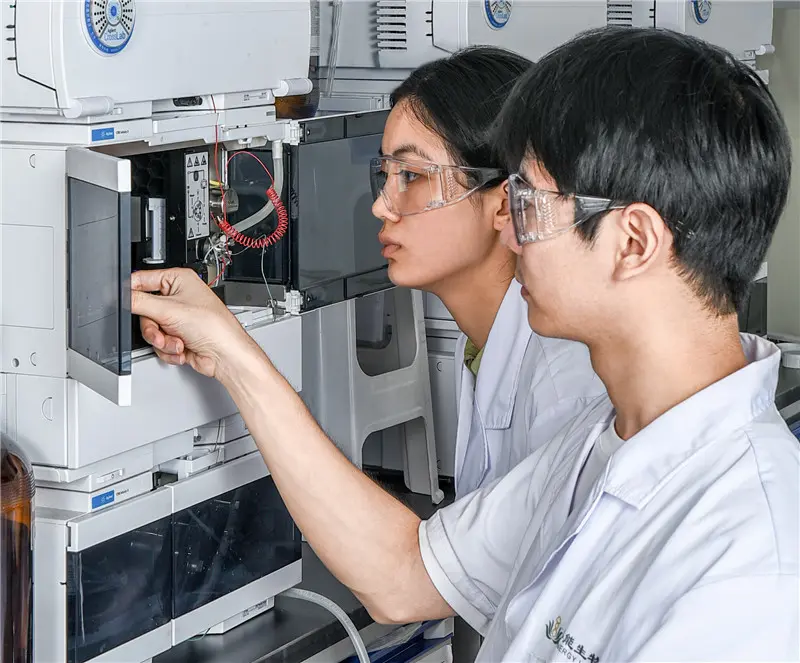
Deployment of Process Analytical Technology (PAT) using near-infrared (NIR) and ultra-high performance liquid chromatography (UHPLC-MS/MS) sensors during active crystallization, guaranteeing zero batch-to-batch variation.
Pairing agricultural extraction with synthetic biology: engineered enzymatic glycosylation and methylation post-processing that modifies alkaloid side-chains, yielding derivatives with significantly lowered human hepatotoxicity.
Bridging pure botanical science with pharmaceutical formulations, high-end functional nutraceuticals, and cosmeceutical actives.
Supply of validated high-purity alkaloids (such as berberine, huperzine A, vinpocetine, and matrine derivatives) for regulated Phase I through Phase IV IND/NDA applications, backed by full stability studies (accelerated and long-term ICH conditions).
Alkaloid active ingredients frequently exhibit bitter taste profiles and low gastrointestinal permeability. MedGence applies micro-encapsulation, liposomal delivery systems, and cyclodextrin inclusion complexes to resolve organoleptic and bioavailability hurdles.
Leveraging our proprietary database of over 56 successful hospital preparation registrations, we accelerate localized hospital formula transfer into certified cGMP commercial batches, lowering regulatory risk for clinical medical institutions.
Demonstrated operational reliability, strict IP protection, and analytical integrity recognized across China and overseas.








Direct technical answers addressing risk reduction, analytical validation, and regulatory compliance.
Standard vendors sell off-the-shelf bulk extracts with wide chemical variance. An ODM (Original Design Manufacturer) like MedGence engineers custom extraction, chromatographic fractionation, impurity isolation, and pharmacological standardization specifically to your target indication or clinical trial protocol.
We deploy origin-based fingerprint tracking across varying developmental phenophases. By mapping geography, soil composition, and seasonal harvest windows using HPTLC and HPLC-DAD/MS, we lock in optimal harvest parameters to ensure strict batch-to-batch consistency.
We implement High-Performance Thin-Layer Chromatography (HPTLC), reversed-phase High-Performance Liquid Chromatography (RP-HPLC), Gas Chromatography (GC-MS), and chromatographic fingerprinting to quantitatively analyze isomers and residual solvent limits under ICH Q3A/Q3C guidelines.
We operate exclusively under legally binding bi-lingual Non-Disclosure Agreements (NDAs). Formulation parameters, custom synthetic pathways, and process conditions are strictly sequestered, ensuring your competitive barrier remains impenetrable.
Yes. Our pre-clinical testing suite covers acute toxicity (LD50), chronic repeat-dose toxicity, Ames genotoxicity, in vitro metabolic stability assays, and target organ bioavailability studies in rodent and non-rodent animal models.
Raw actives can be supplied as high-purity crystalline powders, lyophilized powders, standard concentrates, or oily extracts. Finished commercial forms encompass oral liquids, softgels, enteric-coated capsules, micro-tablets, and functional soluble granules.
Seamless progression from exploratory laboratory assays to metric-ton commercial cGMP batch delivery.