From target bioactive identification to full-spectrum LD50, in vitro cell assays, and multi-center clinical trials: explore our accredited natural medicine research modules engineered to eliminate toxicological uncertainty.






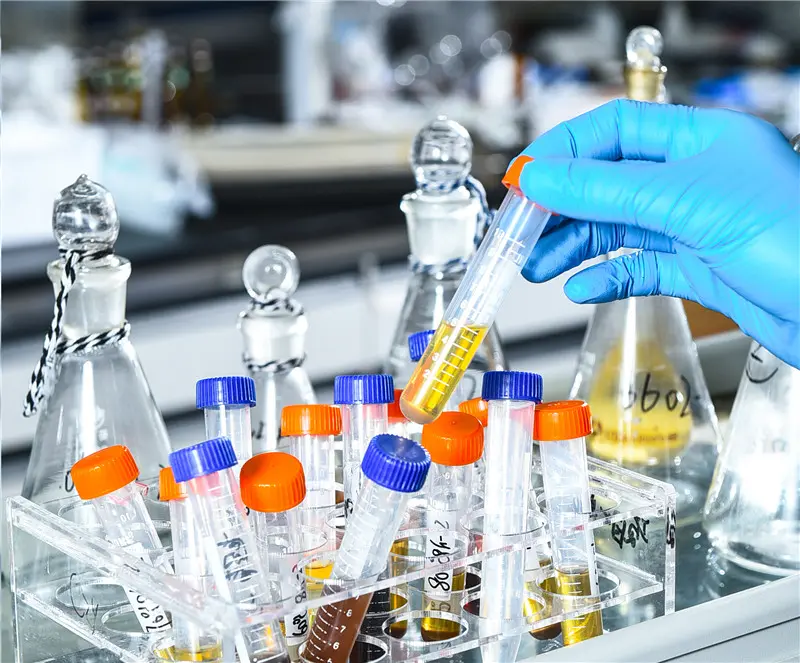
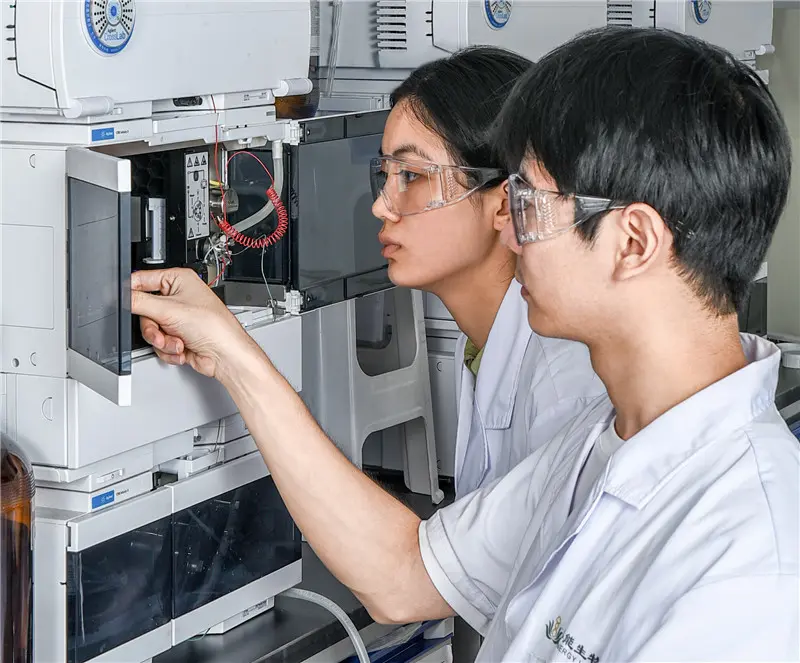
In modern phytopharmaceutical and nutraceutical product commercialization, verifying therapeutic safety and documenting the absence of adverse toxicological interactions is as critical as demonstrating bio-efficacy.
Natural products operate via complex poly-chemical matrices. Unlike single-molecule synthetic APIs, botanical drugs and concentrated natural extracts contain hundreds of secondary metabolites, including polyphenols, glycosides, terpenoids, and alkaloids. Without meticulous ODM adverse effect profiling, unstandardized variations in growing season, geographic chemotypes, or improper manufacturing extraction parameters can cause unintended bio-accumulation, herb-drug interactions via Cytochrome P450 (CYP450) enzymatic cascades, or acute off-target organ toxicity.
We run rigorous in vivo toxicological assays measuring median lethal dose (LD50), sub-chronic 90-day repeated-dose organ pathology, hepatotoxicity indicators (ALT/AST), and nephrotoxicity biomarkers, establishing precise NOAEL (No Observed Adverse Effect Level) parameters for global dossier filings.
Comprehensive in vitro fluorometric and LC-MS/MS inhibition assays targeting human CYP1A2, CYP2C9, CYP2D6, and CYP3A4 isozymes. We ensure consumer safety profiles remain uncompromised when botanical formulas are co-administered with prescribed medications.
OECD GLP compliant bacterial reverse mutation (Ames test, OECD 471), in vitro mammalian chromosomal aberration assays, and in vivo micronucleus tests safeguard botanical ODM projects against long-term cellular genomic disruption.
Over 14+ years of industrial leadership based in Changsha, Hunan, bridging the world’s largest botanical biodiversity repositories with advanced continuous pharmaceutical manufacturing.
Raw material origin dictates toxicological cleanliness. We partner with over 40 dedicated GAP (Good Agricultural Practices) herb plantations across distinct geo-climatic belts in China, eliminating heavy metal contamination (Lead, Arsenic, Cadmium, Mercury) and persistent pesticide residues right at the soil level.
Our proprietary industrial facilities deploy multi-stage, low-temperature countercurrent extraction lines and macroporous adsorption resin columns. This maintains active fraction potency while cleanly eliminating toxic tannins, pyrollizidine alkaloids (PAs), or degraded thermal artifacts.
A multidisciplinary team of pharmacognosy doctors, analytical chemists, and clinical toxicologists managing modern medical studies on 83 classic Traditional Chinese Medicine (TCM) formulas and formulating 22 pioneering natural medicines with verifiable non-disclosure protection.
Flexible OEM/CDMO production lines encompassing specialized oral liquids, softgels, vegetarian hard-shell capsules, micro-tablets, enteric coated granules, and aerosol suspensions, engineered under cleanroom environments to deliver zero microbial cross-contamination.
Overcoming global regulatory divergence requires localizing toxicological dossiers, chromatographic fingerprints, and analytical validation to the specific jurisdictional expectations of target markets.
We curate complete New Dietary Ingredient (NDI) notifications and Self-Affirmed GRAS (Generally Recognized as Safe) dossiers. Studies include 14-day and 90-day rodent oral toxicity, Ames genotoxicity, and detailed characterization proving identity preservation and absence of synthetic adulteration.
Full alignment with European Medicines Agency (EMA) Committee on Herbal Medicinal Products (HMPC) guidelines and European Food Safety Authority (EFSA) Novel Food requirements. Includes Pyrrolizidine Alkaloid (PA) testing below 1.0 µg/kg limits and polycyclic aromatic hydrocarbon (PAH4) quantification.
Proven authority backed by 56 approved hospital preparation registrations in China. Our regulatory scientists compile Class 1 and Class 2 botanical chemical-manufacturing-control (CMC) portfolios, animal pharmacodynamic proof, and human Phase I-IV clinical evidence.
| Regulatory Target | Required Toxicological Studies | Analytical Quality Standards | Risk Mitigation Dossier |
|---|---|---|---|
| US FDA (21 CFR Part 111 / NDI) | Acute Oral LD50, Ames Test (OECD 471), 90-Day Subchronic Toxicity | HPLC-DAD, GC-MS residual solvent assay, USP heavy metals <2232> | Comprehensive NDI Package |
| EU EMA / Ph. Eur. Monograph | In vitro micronucleus, chromosomal aberration, PA & Mycotoxin screening | HPTLC fingerprint identification, European Pharmacopoeia solvent limits | Traditional Herbal Registration |
| Health Canada (NNHPD) | Dose-dependent adverse effect assessment, sub-acute organ clearance | Standardized active markers, allergen testing, pesticide multiresidue (USP <561>) | NPN Product License Filing |
| China NMPA / Botanical IND | GLP systemic safety pharmacology, hERG cardiac assay, reproductive toxicity | ChP 2020 full-monograph conformity, fingerprint similarity >0.95 | Hospital Preparation / NDA Data |
International procurement managers, Quality Directors, and Chief Scientific Officers cannot compromise on batch consistency, data integrity, or intellectual property rights.
We operate strictly on an entrusted contract research and manufacturing paradigm. Every proprietary extraction condition, synergistic ratio, and study raw file remains 100% client intellectual property, shielded by enforceable bi-lateral non-disclosure and non-compete agreements.
Fluctuations in bioactive density cause clinical dosage unpredictability and unexpected side effects. We employ multi-wavelength chromatographic fingerprinting (HPLC, GC, HPTLC) to ensure each production lot satisfies strict coefficient of variation (<3.5%) limits across calendar years.
Complete audit transparency. Our analytical laboratories and collaborative GMP workshops maintain complete raw data trails (21 CFR Part 11 electronic records compliant), welcoming physical and remote audits from global QA teams at any project milestone.
The confluence of high-performance bioinformatics, machine learning, and human microphysiological systems is transforming botanical safety screening from reactive testing into predictive risk elimination.
Applying quantitative structure-activity relationship (QSAR) algorithms to virtually assess mutagenicity, developmental toxicity, and off-target receptor affinity across hundreds of novel phytochemical fractions before wet-lab synthesis begins.
Transitioning from traditional 2D cell cultures to human liver-on-a-chip and gut-on-a-chip microfluidic platforms, accurately replicating human physiological responses, barrier permeabilities, and bioactivation cascades without ethical animal dependencies.
Eliminating organic solvent toxicity at its root. Our modern processing leverages super-critical fluid extraction (SFE-CO2) with natural co-solvents, producing pure lipophilic fractions without toxic chloroform, hexane, or methanol remnants.
High-resolution LC-QTOF-MS combined with chemometric untargeted metabolomics detects trace adulterants, breakdown impurities, and unexpected byproducts down to parts-per-billion (ppb) concentrations before product release.
From premium anti-aging cosmeceuticals to critical cardiometabolic natural drug candidates: tailored safety frameworks built around end-market positioning.
High-potency botanical supplements intended for daily, unmonitored consumer intake. Our safety profiling establishes clear upper tolerable limits, ensuring gastrointestinal comfort, absence of cumulative neuro-excitation, and flawless clean-label consumer trust.
Pharmaceutical programs moving through early preclinical pipelines to human trials. Backed by 22 innovative natural medicines already developed by MedGence, we build comprehensive toxicology and dose-escalation packages suitable for global IND applications.
Topical botanical bio-actives require distinct dermatological safety testing: Human Repeat Insult Patch Tests (HRIPT), in vitro 3D human reconstituted skin irritation assays, and phototoxicity screening to guarantee zero dermal sensitization or allergic contact dermatitis.
Every program milestone culminates in an audit-ready technical deliverable, keeping procurement, clinical, and scientific managers fully in command.
Quantitative evaluation of botanical actives across seasonal harvest cycles and regional chemotypes. We pinpoint high-potency sources possessing the lowest baseline heavy metal and toxin burden.
Development and validation of HPTLC, HPLC, and GC fingerprinting methods. We isolate marker peaks and define impurity limits down to trace residual thresholds.
Pilot refinement of thermal, extraction, and crystallization variables. We optimize active recovery while permanently purging unwanted resins, heavy metals, and residual solvents.
Executing LD50 tests, cellular apoptosis screens, Cytochrome P450 inhibition tests, and sub-chronic toxicity assays to definitively delineate safety margins.
Ethical human safety cohorts for nutraceuticals or complete multi-phase clinical trial management to obtain statistical pharmacovigilance data for pharmaceutical drug registration.
Seamless scale-up from pilot facility to commercial metric-tonnage production, outputting certified finished capsules, liquids, tablets, or bulk extracts with non-disclosure certainty.
Direct, in-depth responses designed for procurement managers, regulatory affairs directors, and formulation scientists evaluating an ODM/CDMO partner.
Select from our validated research packages below to begin your botanical toxicity screening, analytical method validation, or commercial ODM contract manufacturing project.
Provide your target botanical indication, geographic destination, or requested dosage form. Our scientists will respond within 24 business hours with an audit-ready study outline and manufacturing timeline.
