
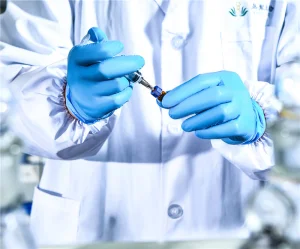
Precision ODM toxicology protocols, active ingredient screening, and custom preclinical studies formulated for pharmaceutical, functional food, and botanical CDMO clients.

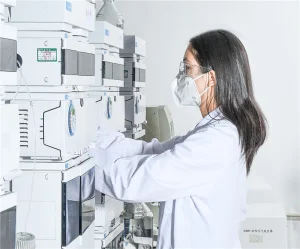

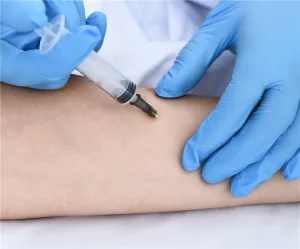

Modern natural product and drug development demands granular toxicity evaluation. Our preclinical research methodologies adhere to internationally recognized regulatory frameworks, establishing reliable Median Lethal Dose (LD50), Maximum Tolerated Dose (MTD), and target organ toxicity data.
We run Acute Oral Toxicity studies utilizing Fixed Dose Procedures (OECD 420), Acute Toxic Class Methods (OECD 423), and Up-and-Down Procedures (UDP, OECD 425). These protocols optimize animal utilization while delivering statistically robust determination of hazard classifications according to GHS and UN criteria.
Botanical matrices present multiple bioactive constituents with synergistic and antagonistic mechanisms. Our labs evaluate single molecules alongside concentrated total saponins, polysaccharides, flavonoids, and volatile fractions to reveal acute biochemical interactions and safe dosage thresholds.
Beyond outward mortality tracking, studies incorporate necropsy, clinical pathology (hematology, serum biochemistry including ALT, AST, BUN, and Creatinine), and microscopic examination of the liver, kidneys, spleen, lungs, and heart to pinpoint early signs of organ damage.
Translating non-clinical safety data across North American, European, and Asian jurisdictions demands localized regulatory alignment, audit-ready data documentation, and seamless transition from lab-scale evaluation to commercial manufacturing.
| Regulatory Framework | Target Regulatory Agency | Study Standard Implemented | Key Deliverables for Dossier |
|---|---|---|---|
| FDA NDI & IND (USA) | US Food & Drug Administration | 21 CFR Part 58 (GLP) / Redbook 2000 Guidelines | Full GLP Dossier Comprehensive safety margin assessment, MTD, NOAEL indices. |
| EMA Herbal Medicines (EU) | European Medicines Agency (HMPC) | EMA/HMPC/Committee on Herbal Medicinal Products | Monograph Dossier Genotoxicity screening, acute toxicity, traditional use verification data. |
| NMPA Natural Drugs (China) | National Medical Products Administration | Good Laboratory Practice (GLP) for Preclinical Trials | Class 1 & 2 Approvals Pharmacodynamic indices, toxicokinetics, formulation stability matrices. |
| TGA Complementary Medicines (AU) | Therapeutic Goods Administration | OECD Guidelines for the Testing of Chemicals | Listed Medicine Report Ingredient safety profiles, solvent residue impact, compositional assay. |
Operating out of Changsha, Hunan—the historic cradle of Chinese herbal medicine innovation—MedGence bridges the traditional chasm between academic safety evaluation and industrial-scale production.
Direct access to Good Agricultural Practices (GAP) planting bases throughout China enables origin-by-origin, season-by-season botanical screening. This mitigates batch variability and eliminates heavy metal or pesticide contaminations before raw herbs reach preclinical testing.
Our proprietary pilot plants and collaborative cGMP facilities operate under unified technical oversight. When an ODM acute toxicity screening demonstrates favorable safety profiles, scaling from 5-liter laboratory extracts to multi-ton industrial batches involves zero technology gap.
Under our non-disclosure entrusted CDMO contract structure, all formulation architectures, chromatographic fingerprint databases, and specialized extraction parameters remain the client's sole proprietary property, shielding international clients from market infringement.
Pharmaceutical enterprises, cosmetic innovators, and nutraceutical brands are navigating heightened safety stringency. Below are the key industry developments shaping preclinical sourcing strategies globally.
The international shift toward Replacement, Reduction, and Refinement (3R) is accelerating the adoption of high-throughput in vitro cellular cytotoxicity, organ-on-a-chip bioassays, and in silico QSAR toxicological modeling before committing to mammalian in vivo animal verification.
Modern consumer brands require clean-label credentials. Botanical active ingredients cannot rely solely on historical anecdotal use; commercial buyers demand acute safety documentation and analytical certificates confirming zero chemical adulterants or heavy solvent contamination.
As chronic, metabolic, and age-related pathologies require multi-targeted therapeutic options, traditional multi-herb natural formulations are receiving renewed interest from Western biopharma, necessitating rigorous acute safety and dose-ranging toxicology foundations.
Tailored ODM acute toxicity testing and preclinical assay frameworks designed around specialized target industries and product classification pathways.
Essential for substantiating US New Dietary Ingredient Notifications (NDIN) and European Union Novel Food authorisations. Establishes definite upper intake limits, No Observed Adverse Effect Levels (NOAEL), and guarantees absence of short-term physiological distress.
Forms the foundational non-clinical pharmacology package for human clinical trial authorizations. Provides acute systemic toxicity, safety pharmacology (respiratory, cardiovascular, CNS), and single-dose toxicokinetics required by regulatory agencies prior to First-in-Human (FIH) Phase 1 studies.
Evaluating transdermal formulations and bioactive extracts for acute cutaneous toxicity, ocular irritation (HET-CAM / OECD 405), phototoxicity, and dermal sensitization, safeguarding personal care lines against allergic or acute cytotoxic reactions.
Comprehensive regulatory and technical answers compiled by our toxicological directorate for global research leads and supply chain executives.
From botanical extraction engineering to complete clinical and preclinical bioassays—partner with China's dedicated natural medicine CRO & CDMO manufacturer.