Direct access to end-to-end analytical assay protocols, targeted active component fractionation, and preclinical biological matrices verified under international pharmacopeial guidelines.
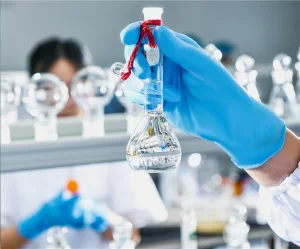
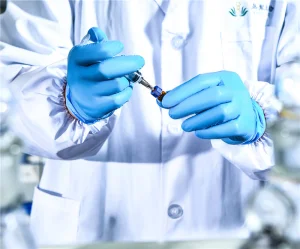

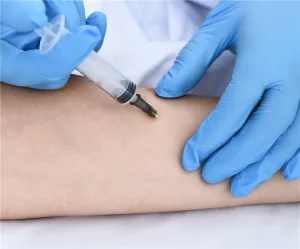
An authoritative technical analysis of how modern standardizations bridge ancient ethnopharmacology with stringent global pharmaceutical markets.
The global demand for various herbal formulations is currently experiencing a historic transition from crude, uncharacterized powdered botanical mixtures to chemically quantified, clinically validated natural therapeutics. Regulatory bodies such as the US FDA (Botanical Drug Guidance), EMA (Committee on Herbal Medicinal Products - HMPC), and China NMPA require reproducible fingerprint chromatographic proof, stringent heavy metal bounds, absence of pesticide residues, and verified bioavailability profiles.
As natural remedies enter the clinical sphere for metabolic health, immuno-oncology adjuvant therapy, and neurological degradation, the reliance on an integrated natural medicine Contract Research Organization (CRO) and Contract Development and Manufacturing Organization (CDMO) has become pivotal. MedGence (Yineng Pharma), headquartered in the biomedical hub of Changsha, Hunan, operates at the center of this transformation, combining centuries of classical empirical data with state-of-the-art computational screening, mass spectrometry, and cell biology.
“Natural medicine earns sustainable global authority only when every health claim is backed by reproducible analytical chemistry, validated bioassays, and controlled human clinical trials. We bridge classical Chinese formulations with international regulatory dossiers.”
Optimizing formulation architecture for localized international market acceptance, bioavailability dynamics, and regulatory compliance.
Engineered for high solubility, thermal stability, and sensory neutrality. We develop specialized excipient pairings and spray-drying technologies to mask bitter natural polyphenols and saponins, allowing seamless integration into RTD beverages, functional gummies, and dietary powders compliant with European EFSA and US DSHEA regulations.
Advanced botanical fractions developed to meet ICH guidelines for investigational new drugs (IND). Our analytical protocols establish chromatographic fingerprinting, quantitative multi-marker tracking, batch-to-batch chemical equivalence, and genotoxicity validation under Good Laboratory Practice (GLP) protocols.
Targeted transdermal active formulations tailored to international cosmetics inventory standards (INCI/IECIC). Backed by in vitro tyrosinase inhibition assays, elastase assays, anti-inflammatory cytokine tracking, and human repeat insult patch testing (HRIPT) for clinically backed dermocosmetic marketing claims.
Leveraging origin-based agronomy, continuous pilot processing, and closed-loop intellectual property frameworks.
China holds over 11,000 documented medicinal plant taxa. Our sourcing methodology integrates rigorous geographic tagging, tracking phytochemical alterations induced by seasonal changes, soil minerals, and altitude. By securing direct harvest windows across indigenous microclimates, MedGence guarantees consistent baseline active concentrations, bypassing secondary spot-market variations.
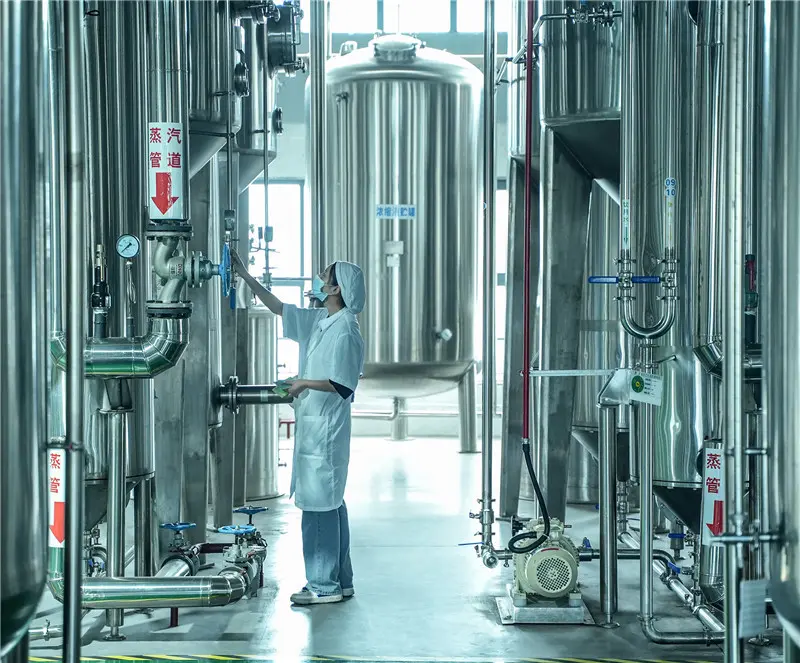
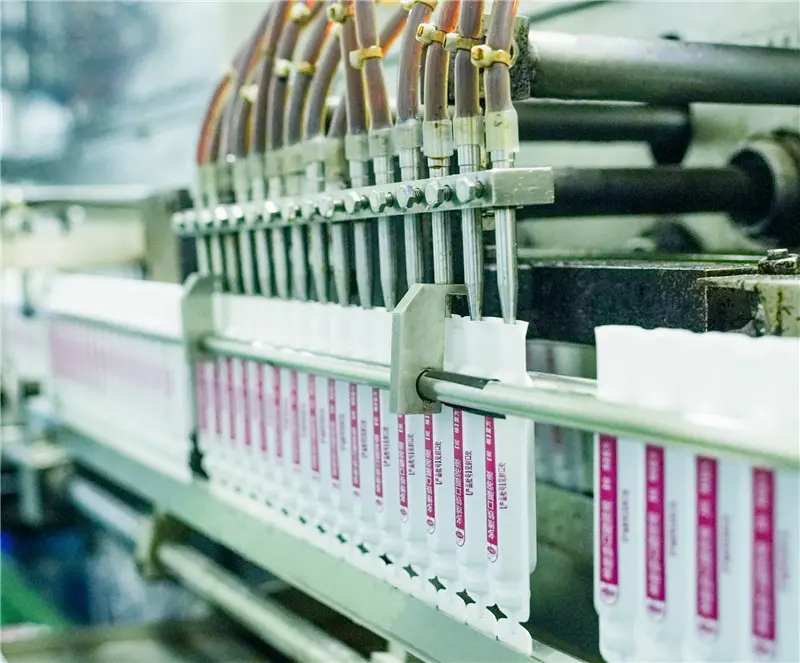
Transitioning from gram-scale isolation to multi-ton continuous extraction is the most frequent bottleneck in botanical chemistry. MedGence maintains an internal, technically integrated pilot plant alongside modern industrial lines equipped with supercritical CO2 extraction, membrane separation, macroporous resin columns, and aseptic freeze-drying to ensure scale-up stability.
Operating under strict bilateral non-disclosure protocols, client assets remain protected through segregated cleanrooms, siloed process data storage, and non-infringement covenants. Our enterprise models operate solely on an entrusted service foundation, ensuring that proprietary fraction profiles and manufacturing parameters belong solely to the sponsor.
Deploying computational biology, network pharmacology, and green chemistry to spearhead the future of herbal medicine development.
Machine learning models match plant secondary metabolites against biological target receptors, drastically accelerating discovery lead times.
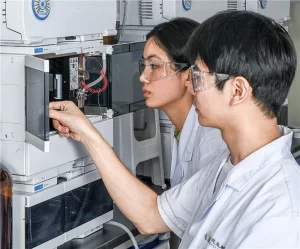
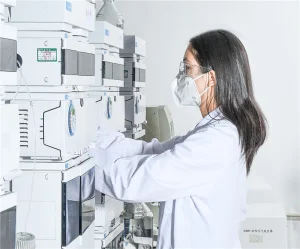
Deploying high-resolution LC-MS/MS, GC-MS, and automated HPTLC systems to quantify multi-target synergies and track minor fractions.
Implementing biocatalysis and deep eutectic solvents (NADES) to eliminate hazardous organic residues and boost extraction efficiencies.
Solving the fundamental barrier of low gut absorption for botanical polyphenols through self-emulsifying drug delivery systems (SEDDS).
Full alignment with multi-regional pharmacopeial testing criteria to eliminate import obstacles and fast-track market entry.
Full support for Botanical Drug Applications under 21 CFR Part 314, New Dietary Ingredient Notifications (NDIN), and GRAS dossiers. Comprehensive multi-residue pesticide screening (USP <561>) and elemental impurity validation via ICP-MS (USP <232>/<233>).
Tailored documentation for Traditional Herbal Medicinal Products (THMPD) and Well-Established Use filings. Ensuring adherence to the European Pharmacopoeia botanical monographs, pyrrolizidine alkaloid thresholds, and aflatoxin contamination limits.
Extensive verification following the Chinese Pharmacopoeia (ChP) and Australian TGA listed medicine criteria, providing complete provenance documentation, GMP Certificates of Analysis, and stability studies conducted under ICH climatic zone IV conditions.
Detailed technical answers for R&D managers, regulatory directors, and global pharmaceutical sourcing executives.
Explore our full line of botanical chemistry, preclinical animal and in vitro models, and clinical-grade trial capabilities.