Authoritative GLP/OECD Toxicology Profiling

China Toxicological Profile Supplier & Suppliers: Data-Driven Safety Dossiers

Global natural medicine CRO & CDMO providing comprehensive non-clinical safety evaluation, chemical hazard profiling, and toxicological risk assessment for botanical active pharmaceutical ingredients, dietary supplements, and cosmetic actives.

Primary Service Portfolio

Featured Phytochemical R&D & Toxicological Research Solutions

Direct access to fully audited GLP/non-GLP study packages, from active extraction and chromatographic fingerprinting to high-tier animal toxicokinetics and human clinical trial supply.


ODM Study and evaluation of the potency of the botanical active ingredients

ODM Study and evaluation of the potency of the botanical active ingredient(s) from different seasons and different origins. Manufacturer, Suppliers

Explore Evaluation Study
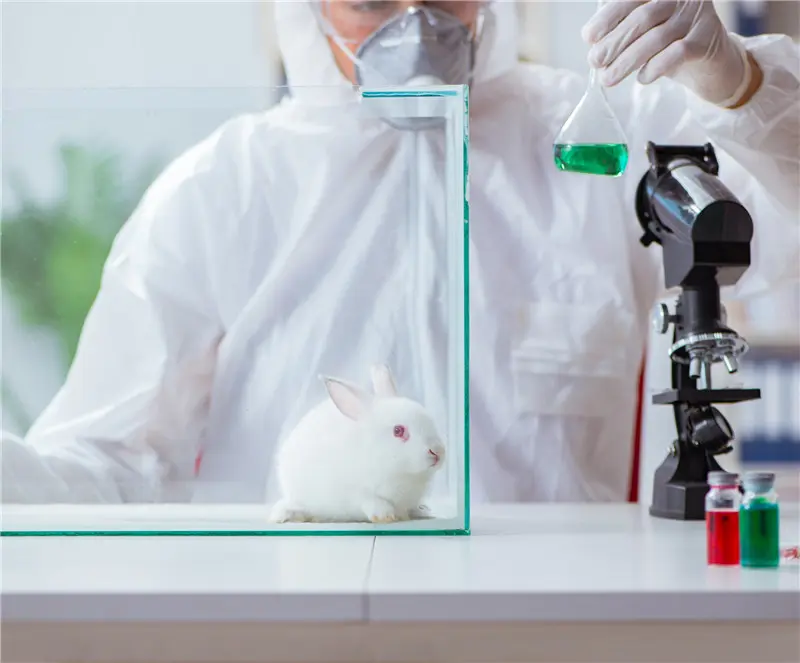
OEM Animal study Supplier, Suppliers

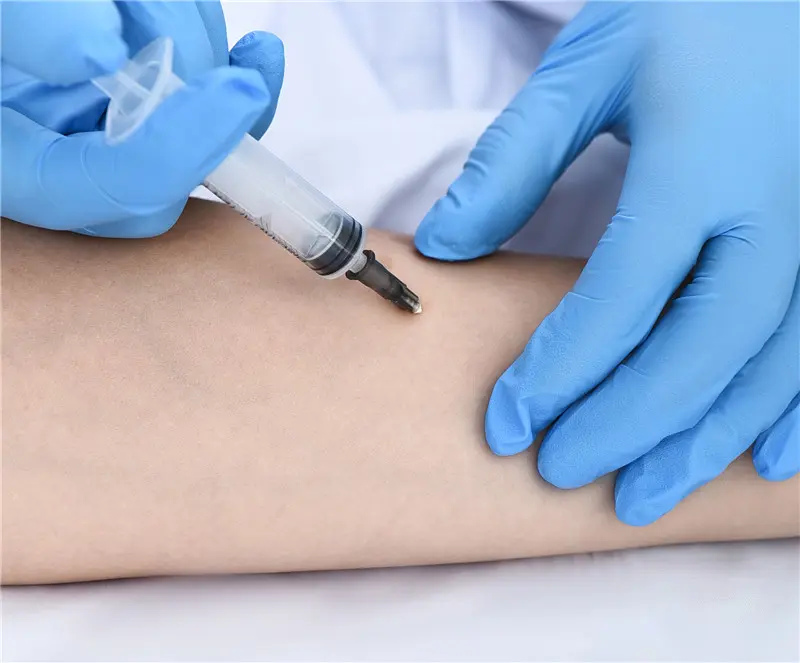
OEM Animal study Supplier, Suppliers (Systemic Toxicity, Maximum Tolerated Dose & Pharmacodynamics)

Explore Animal Studies
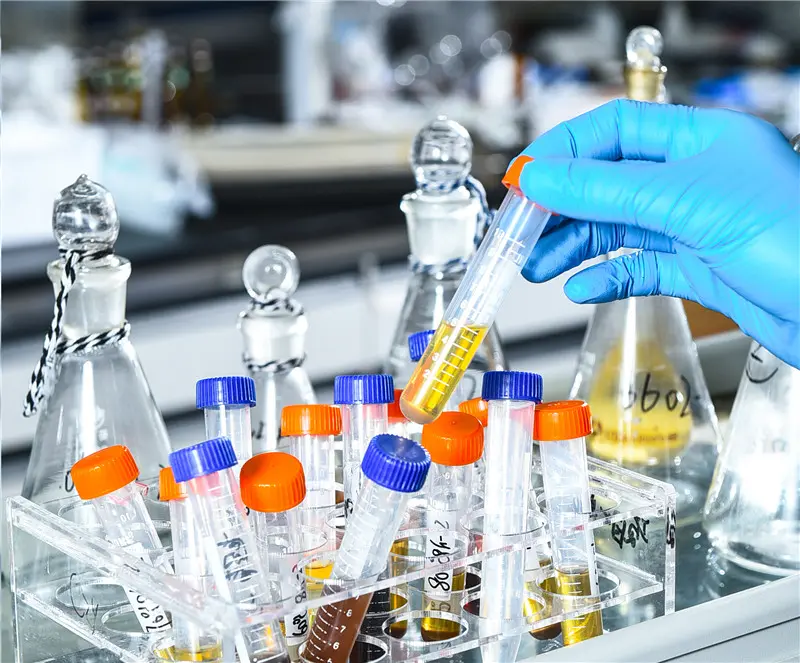
OEM In Vitro Test /Research Service Manufacturers, Suppliers

OEM In Vitro Test /Research Service Manufacturers, Suppliers (Cytotoxicity, Hepatic Clearance & Cell Permeability)

Explore In Vitro Assays
China Establishment of analysis methods of active ingredients

China Establishment of analysis methods of active ingredient(s) Supplier, Suppliers (HPLC, HPTLC & GC-MS)

Explore Analysis Methods
ODM Clinic study Phase1 Phase 4 Manufacturer Suppliers

ODM Clinic study (Phase1 - Phase 4) Manufacturer, Suppliers (GCP Compliant Human Safety Trials)

Explore Clinical Trials
China Screening of the active ingredients of plants

China Screening of the active ingredient(s) of plants Manufacturer, Manufacturers (Bio-Guided Fractionation)

Explore Active Screening
Toxicity Studies LD50 Acute Chronic Genotoxicity

Comprehensive Toxicity Studies (LD50, Acute, 28/90-Day Subchronic & Ames Genotoxicity Profiling)

Explore Toxicology Package
Contract Manufacturing OEM Active Ingredients

Contract Manufacturing (OEM/CDMO) for Toxicologically Characterized High-Purity Natural Botanical Actives

Request CDMO Dossier
Global Regulatory Panorama

The Commercial Landscape of Toxicological Profiling for Botanical Substances

Across international markets, chemical safety dossiers have transformed from routine compliance checkmarks into decisive commercial gatekeepers. Global regulatory agencies—including the United States FDA, the European Medicines Agency (EMA), the European Chemicals Agency (ECHA under REACH), and the Chinese NMPA—demand rigorous quantitative toxicological profiling before complex plant matrices can enter high-value consumer sectors.

ICH S1-S11 & OECD Guideline Convergence

Global harmonization requires botanical chemical characterization to meet exact OECD Test Guidelines (such as OECD 471 Ames, OECD 487 Micronucleus, and OECD 408 90-Day Oral Rodent toxicity). Pharmaceutical authorities will no longer accept ambiguous traditional usage narratives without validated chemical exposure limits (PDE/TDI) and metabolic stability studies.

Cosmetics & MoCRA Safety Submissions

The enactment of the US Modernization of Cosmetics Regulation Act (MoCRA) and EU Regulation (EC) No 1223/2009 has mandated Cosmetic Product Safety Reports (CPSR) with calculated Margins of Safety (MoS). Unstandardized plant extracts lacking quantitative systemic toxicity values (NOAEL) face widespread port rejections and clinical bans.

NDI & Novel Food Safety Verification

Under US FDA 21 CFR Part 190.6 (New Dietary Ingredient Notifications) and EFSA Novel Food regulations, historical consumption alone is insufficient for non-standardized concentrated extracts. A definitive toxicological profile detailing residual solvents, heavy metals, pesticide clearance, and genotoxic absence is obligatory.

Why Source Toxicological Dossiers from MedGence (Yineng Pharma)?

As an elite China toxicological profile supplier, MedGence bridges the gap between botanical chemical complexity and Western regulatory precision. Operating with over 14+ years of dedicated natural medicine CRO/CDMO expertise and 300+ research scientists, we deliver comprehensive non-clinical dossiers that de-risk FDA, EFSA, and EMA filings.

14+
Years CRO/CDMO Experience
300+
Dedicated Research Scientists
83
Modernized Classic TCM Formulas
~400
Botanical Monograph Standards
Technological Evolution

Industry Trends & The Future of Botanical Toxicological Risk Assessment

Toxicological profiling is experiencing a paradigm shift from empirical animal lethality tests toward mechanistic toxicology, New Approach Methodologies (NAMs), and predictive artificial intelligence algorithms that unravel botanical synergy.

Assessment Parameter Legacy Testing Framework Modern Regulatory Standard (GLP) Next-Gen MedGence Pipeline (NAMs/AI)
Acute Toxicity Assessment Crude LD50 in high-volume rodents OECD 423 / OECD 425 Acute Toxic Class method In Silico QSAR Toxicity Estimation Software Tool (T.E.S.T.) + In Vitro Neutral Red Uptake (3T3 NRU)
Genotoxic Carcinogenicity Single Ames test, unvalidated batching GLP Tier 1 Battery: OECD 471 (Ames) + OECD 487 (In Vitro Micronucleus) High-throughput GreenScreen HC assay + High-Content Imaging for DNA double-strand breaks
Repeat-Dose Target Organ Toxicity General necropsy without mechanistic bio-markers OECD 407 (28-day) / OECD 408 (90-day oral) with full histopathology Multi-organ microphysiological systems (Organ-on-a-Chip) coupled with targeted transcriptomics
Metabolic Bioactivation Uncharacterized in vivo liver metabolism In vitro Cytochrome P450 (CYP450) inhibition and induction assays Cryopreserved human hepatocyte 3D spheroids + LC-MS/MS reactive metabolite profiling
Botanical Variability Control Single chemical marker HPLC quantification Multivariate HPLC/HPTLC fingerprinting + chemical fingerprint consistency Chemical-toxicological correlation mapping across geography, seasonal harvest, and plant morphology

Trend 1: Elimination of Animal Redundancy

With the FDA Modernization Act 2.0 and global cosmetic animal testing prohibitions, chemical suppliers must provide certified NAMs. MedGence integrates human primary cell assays and reconstructive epidermis models (SkinEthic/EpiDerm) to ensure international acceptance.

Trend 2: Resolving the "Matrix Effect"

Botanicals are complex multi-constituent mixtures. Synergistic toxicity, where harmless single isolates become toxic when co-administered, requires comprehensive botanical active screening and quantitative fingerprint validation across seasons and regional cultivars.

Trend 3: AI-Driven Multi-Omics Profiling

We leverage computational toxicogenomics to forecast reactive pathways, endocrine disruption, and receptor binding before wet-lab validation begins, decreasing evaluation timelines by up to 60% while elevating data precision for institutional stakeholders.

Industrial Applications

Commercial Deployment Scenarios for High-Integrity Toxicological Profiles

Delivering tailored non-clinical toxicology reports designed to resolve jurisdictional bottlenecks across diverse multinational industries.

1. Dietary Supplements & Functional Foods

The Challenge: Proving safety of high-potency standardized botanical extracts without historical GRAS status.
Our Turnkey Solution: We execute subchronic 90-day rodent oral toxicity, reproductive toxicity screening (OECD 421/422), and calculate undisputed Acceptable Daily Intake (ADI) and No Observed Adverse Effect Levels (NOAEL) for seamless FDA NDI filings.

2. Phytomedicines & Botanical Drug Products

The Challenge: Meeting strict CDER/FDA or EMA investigational new drug (IND) criteria for botanical drugs.
Our Turnkey Solution: Full Phase 1 to Phase 4 clinical trial design, safety pharmacology batteries (hERG cardiotoxicity, CNS, respiratory), and extensive pharmacokinetic/toxicokinetic profiling supporting new drug applications (NDAs).

3. Clean-Beauty Actives & Cosmeceuticals

The Challenge: Achieving global cosmetics inventory clearance without animal testing data.
Our Turnkey Solution: In vitro human skin irritation (OECD 439), phototoxicity (OECD 432 3T3 NRU PT), ocular corrosion (BCOP/OECD 437), and Direct Peptide Reactivity Assays (DPRA/OECD 442C) for skin sensitization verification.

4. Modernization of Classic Herbal Formulations

The Challenge: Establishing rigorous reproducible quality and pharmacological safety for complex ancient formulas.
Our Turnkey Solution: Translating historical empirical TCM experience into verified modern chemical datasets, having modernized 83 classic formulations and 56 hospital preparations with full quality dossiers.

Institutional Credibility & Scale

Integrated Natural Medicine CRO & CDMO Architecture

MedGence (Yineng Pharma) operates as an elite contract research and contract development manufacturing organization based in Changsha, Hunan, China. We bridge raw agricultural sourcing with audited global market approval.

Phytochemical Screening & Origin Evaluation

Sourcing variation directly impacts toxicity and potency. We analyze natural botanical materials harvested across diverse geographical origins, seasonal windows, and plant anatomical parts (roots, stems, leaves, inflorescences) to establish optimal extraction parameters and chemical thresholds.

View Origin Study Details

Chromatographic Fingerprinting & Validation

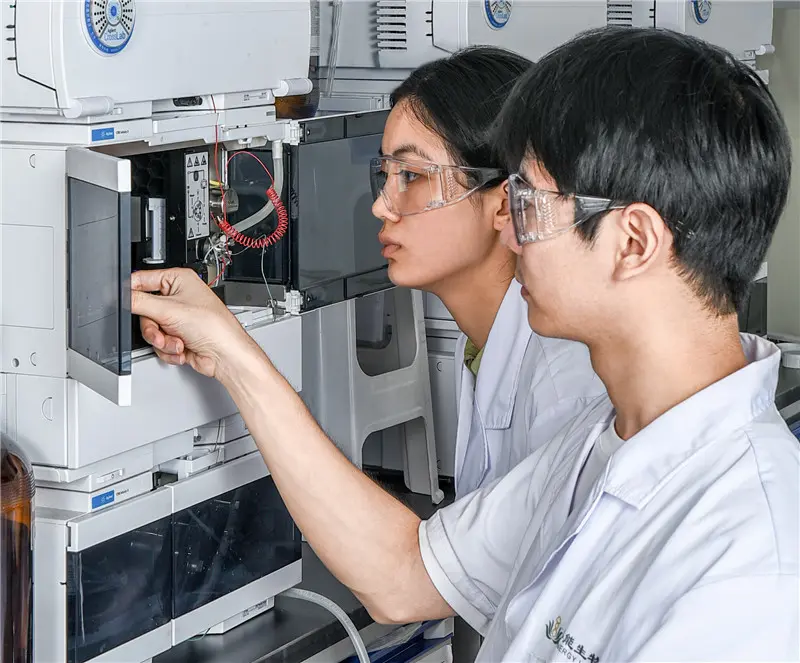
Reproducibility is paramount. Our analytical laboratories establish validated High-Performance Thin-Layer Chromatography (HPTLC), High-Performance Liquid Chromatography (HPLC), and Gas Chromatography (GC) methods to ensure active assay quantification and total absence of adulterants.

View Method Validation

Full-Chain CDMO Finished Dosage Manufacturing

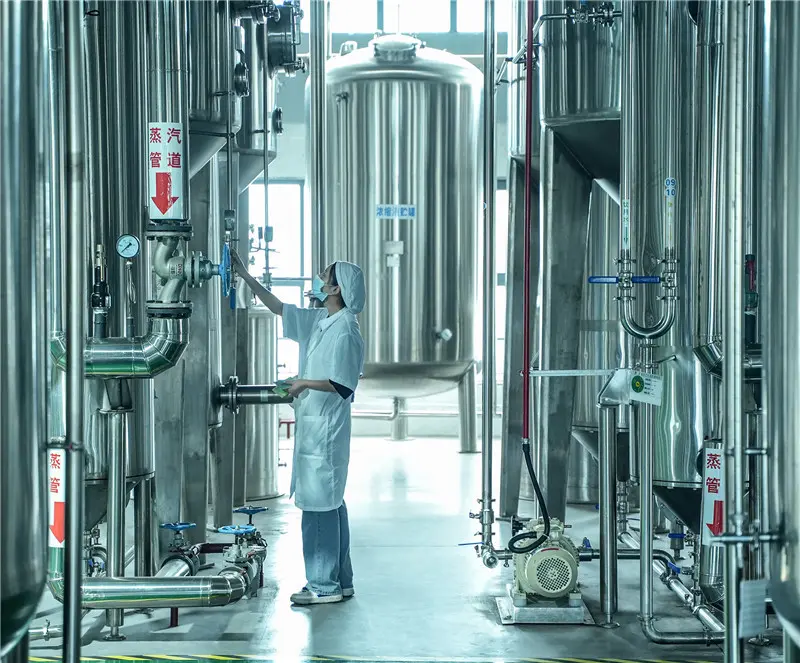
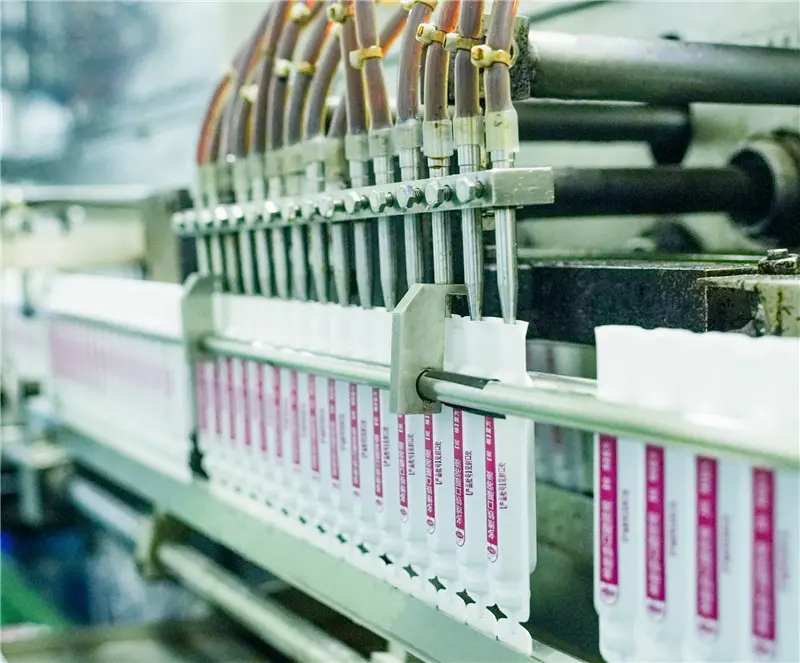
From laboratory pilot scale to fully commercial batch release. Our facilities supply active raw materials as concentrated liquids, spray-dried powders, pastes, and volatile essential oils, or complete finished dosage units: oral liquids, softgels, hard capsules, tablets, and granular sachets.

Request CDMO Specifications

Rigorous Intellectual Property & Commercial Non-Disclosure Guarantee

Operating under strict bilateral Non-Disclosure Agreements (NDAs), MedGence protects your formulas, study designs, synthesis pathways, and custom process parameters. Your product proprietary data remains 100% confidential, securing your market exclusivity worldwide.

Procurement & Technical FAQ

Frequently Asked Questions for Global Compliance Officers & Buyers

Direct technical and commercial answers addressing non-clinical study design, regulatory submissions, pilot-to-commercial CDMO production, and botanical safety profiles.

What constitutes a comprehensive "Toxicological Profile" supplied by MedGence?
A MedGence toxicological profile is an exhaustive scientific and regulatory dossier. It includes: (1) Precise substance identity, botanic taxonomy, geographical provenance, and chromatographic fingerprinting (HPLC/HPTLC/GC); (2) Impurity profiling including heavy metals (ICP-MS), residual pesticide screens (GC-MS/MS), mycotoxins, and organic residual solvents; (3) Acute systemic toxicity endpoints (LD50/MTD); (4) Genotoxic hazard evaluation (OECD 471 Ames bacterial reverse mutation, OECD 487 in vitro micronucleus); (5) Repeat-dose oral toxicity data (28-day or 90-day OECD 408) establishing NOAEL values; (6) Skin and ocular irritation/corrosion profiles; (7) Toxicokinetic (ADME) pathways and Cytochrome P450 inhibition profiles; and (8) Quantitative Margin of Safety (MoS) or Permitted Daily Exposure (PDE) calculations formatted for FDA NDI, EU Novel Food, or MoCRA safety evaluations.
Can MedGence bridge the entire journey from botanical screening to commercial manufacturing?
Yes. MedGence is both a specialized contract research organization (CRO) and contract development and manufacturing organization (CDMO). We conduct primary plant active ingredient screening, potency evaluation by origin and season, method validation, non-clinical safety studies, and human clinical trials (Phase 1–4). Upon validation, our in-house pilot plant and partner commercial facilities scale production directly into concentrated liquids, powders, tablets, softgels, or capsules without technology loss or vendor transitions.
How do you address botanical active ingredient variations caused by harvest season and origin?
The same botanical species can demonstrate massive variances in both beneficial active marker potency and potentially toxic secondary metabolites depending on geographic terroir, climate, harvest month, and specific anatomical parts (e.g., roots vs. leaves). Through our specialized screening protocols (ODM Study & Potency Evaluation Service), we run comparative HPLC and metabolomic mapping across multi-regional batches to help clients specify raw materials with the highest therapeutic density and lowest intrinsic toxicological liabilities.
Which analytical standards and methodologies are used to verify ingredient purity?
We utilize high-performance thin-layer chromatography (HPTLC) for botanical identification, high-performance liquid chromatography (HPLC with DAD/ELSD/CAD detection) for active assay quantitative determination, gas chromatography (GC-FID/MS) for volatile terpenes and solvent residues, and ICP-MS for elemental heavy metal screening. Full chromatographic fingerprint comparisons are conducted to guarantee consistent chemical integrity across commercial batches.
How does MedGence handle non-animal testing compliance for global cosmetic markets?
For personal care ingredients destined for the European Union, the UK, or US MoCRA compliance, we implement validated New Approach Methodologies (NAMs). Our in vitro suite includes reconstructed human epidermis (RhE) for skin irritation (OECD 439), Bovine Corneal Opacity and Permeability (BCOP, OECD 437) or EpiOcular models for ocular irritation, the 3T3 NRU phototoxicity assay (OECD 432), and Direct Peptide Reactivity Assays (DPRA) for sensitization, providing 100% cruelty-free, animal-free compliance.
What clinical study support is available for New Drug Applications (NDA) or medical foods?
We arrange both small-group double-blind placebo-controlled human efficacy trials for dietary supplements and fully compliant GCP Phase I, II, III, and IV clinical studies for pharmaceutical submissions. Our team has completed modernization clinical studies for 83 classic TCM formulas and supported the development of 22 innovative natural medicines and 56 hospital preparation approvals in China.
How is intellectual property and proprietary formulation know-how preserved?
We operate exclusively on an entrusted CRO/CDMO contract research framework. All intellectual property, analytical methods, optimization parameters, raw data, and master batch records generated throughout the contract belong strictly to the client. Strict internal data compartmentalization and legal non-disclosure safeguards ensure your proprietary commercial advantages are preserved unconditionally.
Technical Catalog & Contract Services

Comprehensive Botanical CDMO & Safety Evaluation Offerings

Engage our specialized multidisciplinary scientific teams for discrete analytical packages, in vitro/in vivo toxicological testing, or end-to-end pharmaceutical development.


Active Ingredients Screening Manufacturer Supplier

Botanical Active Ingredient Screening & Phytochemical Identification

Explore Active Screening
Potency Evaluation for Natural Materials

Potency Evaluation for Natural Materials by Season, Origin & Morphology

Explore Potency Analysis
Analysis Method Establishing Supplier

Analytical Method Establishing (HPTLC, HPLC, GC & Fingerprint Standards)

Explore Method Standards
In Vitro Test Manufacturers Supplier

In Vitro Cellular Assays, Permeability & Mechanistic Toxicity Models

Explore In Vitro Assays
Animal Study Supplier Suppliers

Animal Study Services (Preclinical Safety, Efficacy & Pharmacokinetics)

Explore Preclinical Animal
Clinic Study Manufacturers Supplier

Clinical Studies (Phase I–IV Trials & Dietary Supplement Human Trials)

Explore Human Trials
Natural Formulation Research

Natural Formulation Research & Classic TCM Prescription Modernization

Explore Formulation R&D
Contract Manufacturing OEM CDMO Finished Products

OEM/CDMO Finished Dosage Production (Capsules, Tablets, Oral Liquids)

Request Production Quote