Explore our specialized preclinical platforms engineered to bridge botanical active ingredient discovery with authoritative toxicology clearances and commercial-grade contract manufacturing.






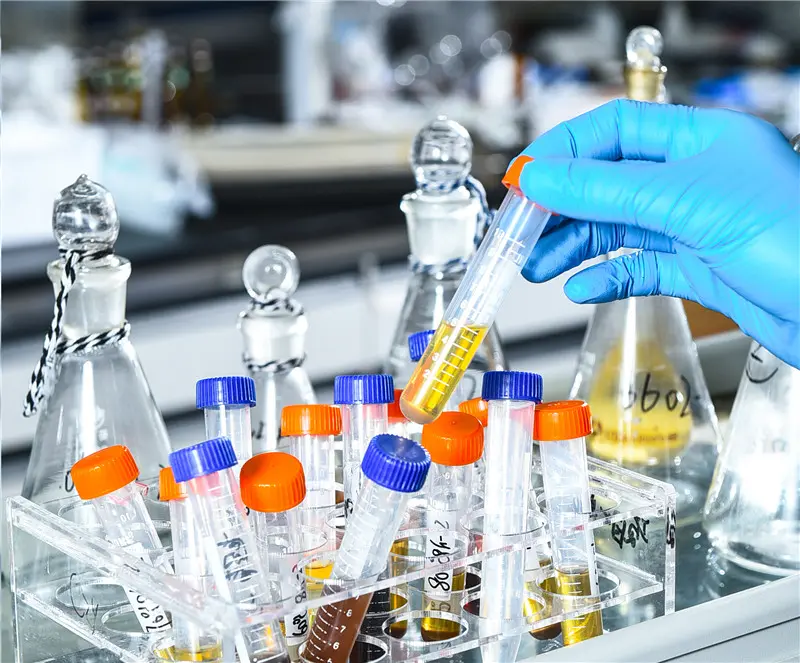
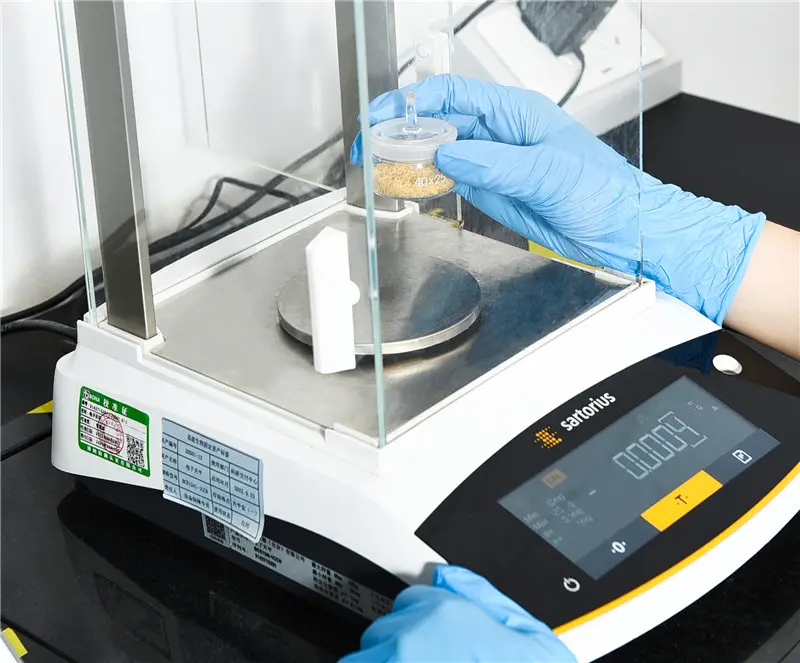
Rigorous toxicological screening serves as the non-negotiable benchmark separating empirical tradition from modern evidence-based global therapeutics.
Historically, botanical medicine and natural health extracts operated under the presumption of safety derived from long-standing human consumption. However, modern pharmaceutical frameworks—governed by the US Food and Drug Administration (FDA), the European Medicines Agency (EMA), and China’s National Medical Products Administration (NMPA)—mandate that multi-component botanical drug substances (BDS) and purified bioactive compounds undergo comprehensive nonclinical safety profiles equivalent to new chemical entities (NCEs). As a prominent China toxicity research manufacturer and specialized preclinical contract research organization (CRO/CDMO), MedGence (Yineng Pharma) executes comprehensive GLP-aligned nonclinical safety programs that meet stringent international regulatory expectations.
Evaluating safety across complex botanical matrices presents unique pharmacological hurdles. Unlike pure synthetic single-molecules, botanical fractions comprise multi-target phytochemical ensembles—including alkaloids, polyphenols, triterpenoid saponins, and polysaccharides—each carrying variable pharmacokinetics and potential synergistic or antagonistic xenobiotic toxicity. MedGence integrates high-resolution chromatographic standardization (HPLC, HPTLC, GC-MS) directly with automated cellular screening and animal toxicology assays. This ensures that every toxicological threshold (such as LD50, NOAEL, and MTD) is inextricably tied to reproducible chemical fingerprints, safeguarding international pharmaceutical innovators against batch variability and regulatory rejection.
Engineered to deliver high-information-gain safety packages across systemic, genetic, and organ-specific toxicology domains.
Determination of median lethal doses (LD50), single-dose acute toxicity kinetics, and clinical sign monitoring across rodent and non-rodent models following OECD TG 420, 423, and 425. We pinpoint target organs of acute vulnerability, establishing safety margins for initial dose escalations.
Repeated-dose studies assessing systemic physiological impact, toxicokinetics (TK), clinical pathology, hematology, serum biochemistry, and micro-histopathology. Crucial for establishing No Observed Adverse Effect Levels (NOAEL) and Lowest Observed Adverse Effect Levels (LOAEL).
Comprehensive standard battery conforming to ICH S2(R1). Includes Bacterial Reverse Mutation (Ames Test with S9 metabolic activation), In Vitro Mammalian Chromosomal Aberration, and In Vivo Rodent Micronucleus Assays to eliminate genotoxic and mutagenic liabilities.
Investigating the unintended functional liabilities of phytochemical entities on vital organ systems prior to human exposure. Rigorous evaluation of the central nervous system (Irwin functional observational battery), respiratory dynamics, and automated hERG patch-clamp cardiotoxicity.
Specialized assessment for dermaceutical, cosmetic active, and topical pharmaceutical formulations. Evaluates primary dermal irritation, skin sensitization (LLNA), ocular irritation (BCOP/HET-CAM), and 3T3 Neutral Red Uptake phototoxicity testing in non-animal models.
Targeted profiling of nephrotoxicity, hepatotoxicity (steatosis, cholestasis, cytolysis), neurotoxicity, and embryonic developmental toxicology (DART). Identifies organ-level recovery reversibility after cessation of botanical administration.
How customized toxicology workflows satisfy sector-specific regulatory hurdles across global health and life science industries.
For biopharmaceutical developers transitioning purified active fractions or multi-herb classical formulations into investigational new drugs (IND). Our toxicological dossiers fulfill the exact modular requirements of the ICH M4 Common Technical Document (CTD Module 4), detailing toxicokinetics, pharmacodynamics, dose-limiting toxicities, and starting safe human doses (HED).
Navigating FDA New Dietary Ingredient (NDI) notifications, Generally Recognized As Safe (GRAS) self-determinations, and European Union Novel Food applications. We execute 90-day sub-chronic rodent oral studies combined with in vitro genetic toxicity to establish clear, defensible acceptable daily intakes (ADI) and margins of safety (MoS).
Meeting the strict prohibition of cosmetic animal testing under EU Regulation (EC) No 1223/2009 and China NMPA provisions. We employ reconstructed human epidermis (RhE) models, human corneal epithelium assays, and photochemical cellular screenings to provide unequivocal non-animal toxicological clearances for high-performance plant extracts.
China possesses a unique regulatory route for in-hospital herbal formulations (Hospital Preparations). With over 56 successful registrations completed, our toxicology testing validates traditional formulas through standardized modern toxicology pipelines, unlocking rapid clinical deployment and subsequent national market registration.
Pioneering New Approach Methodologies (NAMs), Organ-on-a-Chip platforms, and High-Throughput Artificial Intelligence in toxicology.
Application of quantitative structure-activity relationship (QSAR) models, machine learning-driven Derek Nexus, and Sarah Nexus algorithms to predict mutagenicity, carcinogenicity, and endocrine disruption of phytochemical constituents prior to laboratory wet-testing.
Multiplexed automated fluorescence micro-imaging analyzing cellular mitochondrial membrane potential, oxidative stress (ROS generation), intracellular calcium fluxes, and apoptosis induction simultaneously across thousands of botanical fractions.
Integration of microfluidic biochips hosting co-cultured 3D human liver, kidney, and gut tissues under physiological fluid shear stress. Accurately simulates human botanical metabolism and organ cross-talk, bypassing species-specific metabolic divergence seen in animal models.
Combining world-class biopharmaceutical research expertise with deeply integrated pilot and commercial industrial manufacturing.
Centralized animal facilities, fully in-house bioanalytical labs, and captive colony breeding dramatically reduce study lead times. Programs that require 14 months in Western labs are regularly completed in 6 to 8 months without compromising quality.
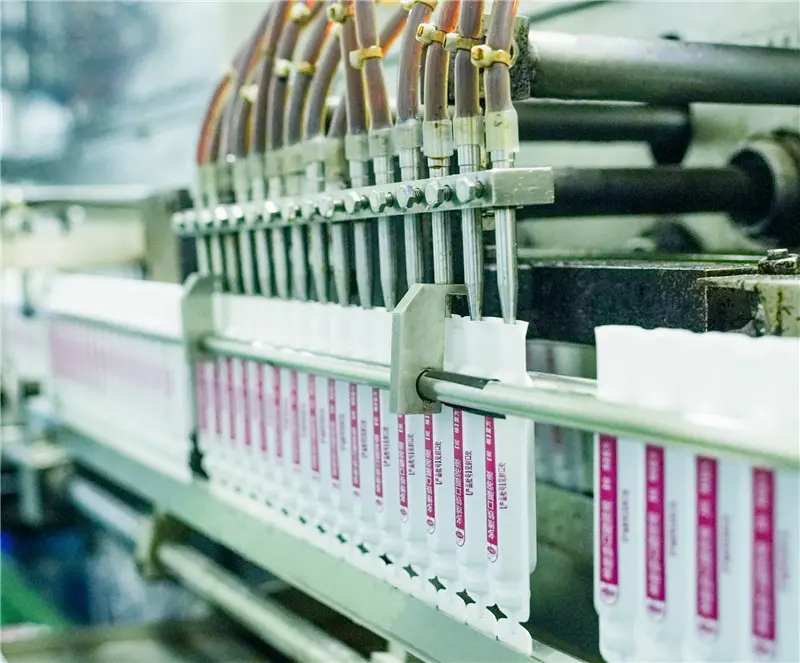
Unlike isolated testing facilities, our toxicity research connects seamlessly with Yineng Pharma's pilot extraction plants and partner GMP factories. Toxicological validation directly translates into optimized commercial scale manufacturing parameters.
Leveraging China’s vast supply of biomedical engineering talent and localized reagent manufacturing pipelines delivers high-tier preclinical research packages at approximately one-third the cost of European or North American CROs.
Delivering complete lifecycle execution from raw botanical screening to industrial-scale market delivery.
Identification of high-affinity alkaloids, polyphenols, and saponins via automated bioassays and empirical phytochemical databases to pinpoint the optimal target entity.
Quantifying seasonal, geographical, and anatomical differences in phytochemical yields to establish high-potency, cost-efficient raw material sourcing networks.
Developing validated, defensible chromatographic assay standards (HPTLC, HPLC-DAD, GC-MS, chromatographic fingerprinting) ensuring absolute batch consistency.
Optimizing extraction solvent dynamics, macroporous resin column purification, membrane separation, and freeze-drying parameters for commercial scale-up.
Formulation stabilization preventing active degradation, crystal precipitation, or low bioavailability across modern solid and liquid dosage forms.
Complete in vivo and in vitro toxicological evaluations determining systemic toxicity, genotoxic liability, organ pathology, and safety margins.
Cellular target engagement assays (anti-inflammatory, anti-diabetic, anti-viral, anti-oxidant) delivering rapid mechanistic validation and hit-to-lead gating.
Validated disease models in rodents assessing metabolic syndrome, immuno-oncology, cardiovascular health, and cognitive support.
Designing and orchestrating GCP-compliant clinical trials: human bioavailability assays, pilot dietary supplement efficacy, and comprehensive NDA registration studies.
Synthesizing classic TCM formulation wisdom with modern excipient chemistry to engineer patentable natural multi-ingredient compositions.
Pilot-to-commercial extraction of high-purity active botanical powders, standardized pastes, concentrated liquids, and specialized volatile essential oils.
Commercial-scale manufacturing covering oral liquids, hard-gel capsules, softgels, micro-tablets, effervescent powders, and standardized granules.
Our validated nonclinical datasets and formulation methods support top-tier Chinese pharmaceutical manufacturers and prestigious clinical teaching hospitals.
 Beijing Tongrentang
 CR Sanjiu Pharmaceutical
 Sunflower Pharma
 Livzon Pharma Group
 Dihon Pharmaceutical
 Golden Throat Group
 Yangtze River Pharma
 Gofar Chuanshan Bio
 Humanwell Healthcare
 SCIMYTH Pharma
 Hanfang Pharma
 Luoxin Pharma
 Zhongsheng Pharma
 Brilliance & Abundance
 Apeloa Pharmaceutical
 Heng Chang Pharma
 Baotou TCM
 Kamp Medicine
 Santo Pharma
 Kangshou Pharma
 Juwang Pharma
 Beijing Tcmages
 Ruihe Pharma
 CR Jinchan Pharma
 Kangmei Pharma
 Tianjicaotang Pharma
 Kingstone Unite
 Shuguang Hospital
 Hunan TCM Hospital
 1st Hospital Hunan TCM
 Xiangya 2nd Hospital
 2nd Hospital Hunan TCM
 TCM Orthopedics Zhuzhou
Direct technical answers addressing regulatory protocols, animal welfare compliance, data exclusivity, and chemical characterization.
Select a specialized capability below to review technical specifications, regulatory documentation portfolios, and lead times.
Connect with our principal toxicologists and analytical chemists to design your IND-enabling study, dietary safety dossier, or custom pilot extraction protocol. Rapid protocol structuring under strict non-disclosure.
