Explore our high-throughput analytical screenings, pharmacological taste profiling models, and commercial active ingredient supply chain protocols engineered in our cGMP/ISO compliant Chinese manufacturing complex.






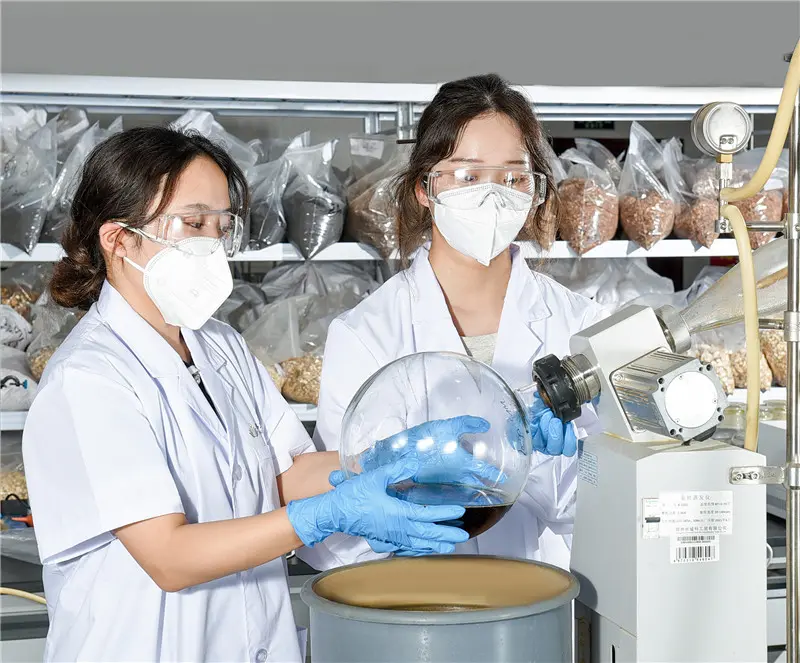
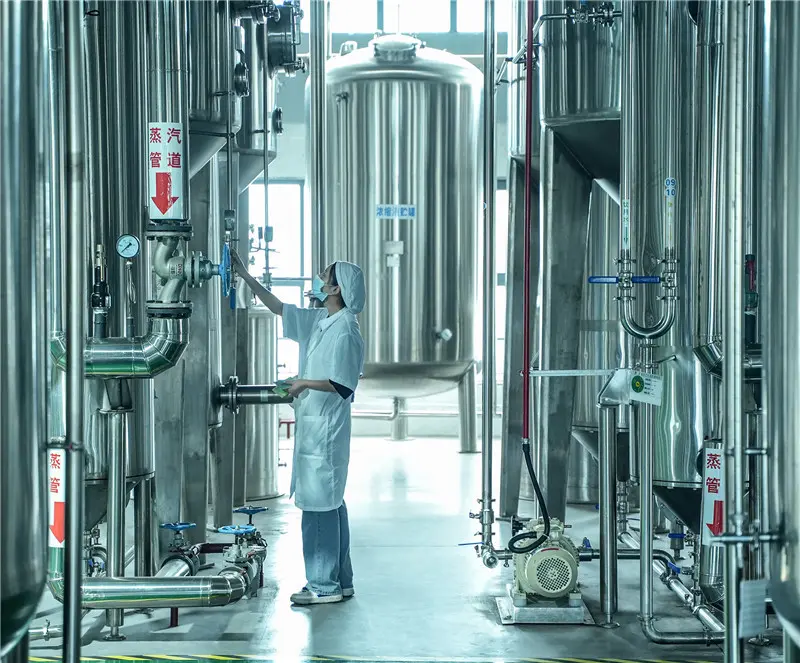
Within the global pharmaceutical, nutraceutical, and functional beverage markets, the search for authentic China Taste Manufacturers & Suppliers is no longer merely an exercise in commodity flavoring procurement. Today’s procurement executives, R&D directors, and Chief Scientific Officers face intense technical hurdles: highly concentrated botanical actives (such as bitter saponins, astringent polyphenols, pungent gingerols, and metallic alkaloids) frequently trigger extreme palatability rejection in patients and consumer cohorts.
MedGence (Yineng Pharma), backed by over 14 years of state-level natural medicine research in Changsha, Hunan, operates at the cross-section of molecular pharmacology and flavor engineering. By deploying advanced chromatographic isolation, electronic tongue (E-tongue) multi-sensor arrays, and novel microencapsulation matrix technologies, we empower global brands to bridge the gap between rigorous pharmacological potency and superior consumer compliance.
Whether modernizing historic Traditional Chinese Medicine (TCM) decoctions into soluble effervescent sticks, formulating pediatric natural suspensions, or scaling clean-label adaptogenic beverages, our synchronized CRO + CDMO infrastructure manages the entire development vector under strict international non-disclosure agreements (NDAs).
| Engineering Vector | Conventional Flavor Additives | MedGence CDMO Precision Matrix |
|---|---|---|
| Bitter Suppression | Temporary masking via high sucrose/sweeteners | Receptor antagonism & cyclodextrin inclusion |
| Bioactive Retention | High risk of active precipitation or thermal loss | >98.5% recovery rate verified via HPLC-UV |
| Dissolution Profile | Often retards in vivo stomach release rates | Targeted gastric/enteric pH-triggered release |
| Regulatory Track | Generic food additive certification only | US FDA GRAS, EP/USP monograph & ChP registered |
| Quality Reproducibility | High batch-to-batch organoleptic drift | Chromatographic fingerprinting (R > 0.990) |
A macroeconomic shift across North America, Europe, and Asia-Pacific is pushing taste manufacturing beyond superficial masking toward bio-aligned molecular taste modulation.
Global regulatory bodies (FDA, EFSA) are placing strict restrictions on high-glycemic sweeteners and artificial synthetic masking compounds. Modern taste suppliers must utilize natural taste modifiers, mogrosides, enzymatic steviol glycosides, and proteinaceous modulators without introducing lingering chemical aftertastes.
Sensory scientists are moving beyond passive dilution. By mapping the human hTAS2R bitter taste receptor family, our research team isolates natural botanical flavonoids that specifically block bitter ligand binding, enabling dramatic debittering of concentrated herbal medicines without altering physical pH.
Consumer pill fatigue has triggered exponential demand for chewables, gummies, orally disintegrating tablets (ODTs), liquid shots, and functional drink mixes. In these exposed formats, taste masking is the principal technical determinant of brand retention, pediatric compliance, and commercial viability.
Purchasing directors and quality managers from international enterprises encounter five core friction points when sourcing taste and botanical active ingredients from China.
Hydrophobic active extracts frequently aggregate in cold-fill liquids or high-humidity powder sticks. MedGence applies spray-congealing and fluidized bed agglomeration to produce instant-wetting powders that dissolve completely within 15 seconds without cloudy sediment.
Delicate volatile terpenes and natural flavor esters rapidly degrade under UHT pasteurization or long shipping container transits. Our molecular barrier coatings protect volatile aroma top-notes from oxidation, maintaining sensory shelf-stability exceeding 24 months.
Every commercial batch delivered to the European Union or United States must comply with USP <232>/<233> and EP 5.20 elemental impurities, as well as zero-detectable pesticide residue limits. All extraction processes utilize purified water and USP grade grain ethanol.
Brand protection is paramount. MedGence maintains segregated production trains, strict cleanroom batch logs, and bilateral IP isolation. Entrusted research formulations remain the 100% exclusive asset of the sponsoring client.
Combining modern industrial chromatography with pharmaceutical formulation engineering to solve the harshest sensory challenges.
Utilizing pharmaceutical-grade beta-cyclodextrin and hydroxypropyl-beta-cyclodextrin (HP-beta-CD) ring structures. Hydrophobic bitter molecules are encapsulated inside the lipophilic cavity, physically shielding taste buds while dissolving rapidly in gastric fluids.
Precision micro-coating of botanical granules using natural ethylcellulose, sodium alginate, and aqueous shellac. Prevents lingual dissolution during oral mastication, ensuring 100% neutral taste during consumption followed by instantaneous dissolution in the stomach.
Dispersing poorly soluble botanical actives in hydrophilic polymeric matrices (PVP/VA, HPMC) through state-of-the-art twin-screw extrusion. Transforms crystalline bitter compounds into amorphous solid dispersions, optimizing taste masking and drug bioavailability simultaneously.
Macroporous adsorption resins and reverse-phase preparative liquid chromatography eliminate foul-tasting tannins, volatile fatty acids, and degrading degradation products from plant extracts, leaving high-purity bioactive fractions with naturally clean flavor profiles.
| Instrumentation Platform | Analytical Function | Accuracy Metric |
|---|---|---|
| Insent E-Tongue Sensor Array | Quantitative mapping of 5 basic tastes + astringency | Sensor drift < 0.2 mV repeatability |
| Agilent 1290 UHPLC-MS/MS | Active compound quantification & degradant assay | LOD < 0.1 ng/mL sensitivity |
| CAMAG HPTLC Fingerprinting | Species botanical authentication & origin matching | Rf variance < 0.02 standard |
| GC-MS/MS Olfactometry (Sniffing) | Volatile off-note flavor compound identification | Trace volatile parts-per-billion |
| Micro-DSC & XRD Crystallography | Solid dispersion polymer amorphism verification | 100% amorphism confirmation |
Modern global brands cannot depend on subjective human panel taste tests alone during clinical formulation. MedGence integrates artificial electronic tongue instrumentation capable of producing objective, repeatable numerical data on bitterness intensity, umami depth, astringency, and lingering aftertaste profiles.
Our 300+ research scientists and technicians validate analytical standards using high-performance thin-layer chromatography (HPTLC) and ultra-high-performance liquid chromatography coupled with tandem mass spectrometry (UHPLC-MS/MS). This guarantees that every taste modification process safeguards the chemical integrity, stereochemistry, and pharmacokinetic potency of the therapeutic botanical actives.
From initial seasonal potency mapping in mountain growing regions to pilot 1,000-liter jacketed extraction trials and commercial ton-scale production, our multidisciplinary team eliminates formulation risks prior to commercial scale investment.
A verifiable operational track record partnering with premier state pharmaceutical corporations, hospital clinical systems, and multinational supplement brand owners.
How MedGence is integrating synthetic biology, artificial intelligence, and green continuous-flow separation to pioneer the next decade of taste manufacturing.
Training neural networks on structural databases of over 50,000 botanical molecules to predict taste receptor activation profiles, cutting formulation screening iterations by over 60%.
Deploying specialized recombinant enzymes to site-selectively add glucose moieties to bitter triterpenoid backbones, naturally transforming harsh compounds into sweet, soluble nutraceuticals.
Transitioning from static batch extraction to continuous microfluidic countercurrent separation, preserving ephemeral volatile aroma markers while eliminating thermal carbonization.
Developing micro-encapsulated adaptive dosage vehicles that tailor release dynamics based on individual salivary enzyme variations, delivering customized sensory experiences.
Seamless regulatory navigation for rapid customs clearance, FDA registrations, and pharmacopeial compliance across North America, Europe, and Asia.
Comprehensive US FDA 21 CFR Part 111 (Dietary Supplements) and Part 210/211 (cGMP) adherence. Full Toxicological dossiers supporting GRAS (Generally Recognized as Safe) notifications and New Dietary Ingredient Notifications (NDIN) with complete safety testing records.
Full validation against European Pharmacopoeia (Ph. Eur.) monographs. Strict adherence to EC 1881/2006 limits for mycotoxins (aflatoxins, ochratoxin A), polycyclic aromatic hydrocarbons (PAH4), dioxins, and ethylene oxide (ETO) absence.
Certified Class 100,000 cleanroom manufacturing with hospital preparation registration expertise. Deep mastery of classic formula compatibility principles paired with modern clinical trial submission under NMPA and ASEAN harmonization directives.
Our extraction, analytical, and taste CDMO infrastructure supports leading state pharmaceutical conglomerates and medical research institutes.











Order trial pilot quantities or commercial metric ton batches directly from our audited Changsha pharmaceutical extraction facility.
Authoritative responses addressing common technical inquiries from corporate sourcing, quality control, and regulatory submission directors.
Overcome harsh botanical taste hurdles, optimize organoleptic delivery profiles, and scale commercial pharmaceutical or nutraceutical supply under absolute confidentiality. Direct communication with our Changsha scientific team at [email protected].
