Explore our certified end-to-end biological testing modules, active ingredient isolation protocols, and clinical bioequivalence platforms engineered for global regulatory filings.






How state-of-the-art Chinese contract research laboratories are transforming biomedical discovery, toxicological de-risking, and botanical drug standardization under OECD and ICH guidelines.
The global life sciences, pharmaceutical formulation, and cosmetic industries are undergoing a profound epistemological transformation. Driven by stringent animal testing bans across the European Union (Regulation (EC) No 1223/2009), the FDA Modernization Act 2.0 in the United States, and evolving Chinese National Medical Products Administration (NMPA) decrees, cross-sector researchers are moving decisively away from legacy in vivo animal models toward mechanistic, reproducible, human-relevant In Vitro Test models. Within this global paradigm, selecting a qualified China in vitro test supplier is no longer just a cost-containment calculation—it has emerged as a high-stakes strategic decision for accelerating early-stage lead optimization, chemical safety substantiation, and bio-fractionated phytochemical drug discovery.
As contract research and development organizations (CROs) evolve, the scope of in vitro testing has expanded from primitive two-dimensional (2D) monolayer cell viability assays to automated high-content phenotypic screening (HCS), 3D reconstructed human organotypic models (such as RhE, EpiOcular, and reconstructed intestinal epithelium), enzymatic inhibition kinetics, and organ-on-a-chip microfluidic platforms. In this context, MedGence (Yineng Pharma) operates at the vanguard of Chinese biopharmaceutical testing infrastructure, anchoring over 14 years of rigorous empirical data across 83 classic Traditional Chinese Medicine (TCM) formulas, 22 proprietary innovative therapeutic candidates, and standardizing quality control parameters for more than 400 single-herb raw materials.
Unlike conventional contract testing shops that treat in vitro assays as isolated checkpoints, top-tier Chinese suppliers integrate multi-spectral chromatographic characterization (HPTLC, HPLC-DAD, LC-MS/MS) directly into in vitro testing protocols. This ensures that every cellular response observed in vitro is causally mapped to specific phytochemical fractions, single-molecule metabolites, or synergistic botanical complexes.
Leveraging deep industrial clusters, automated liquid-handling robotics, and indigenous natural botanical sourcing to compress preclinical testing cycles by over 50%.
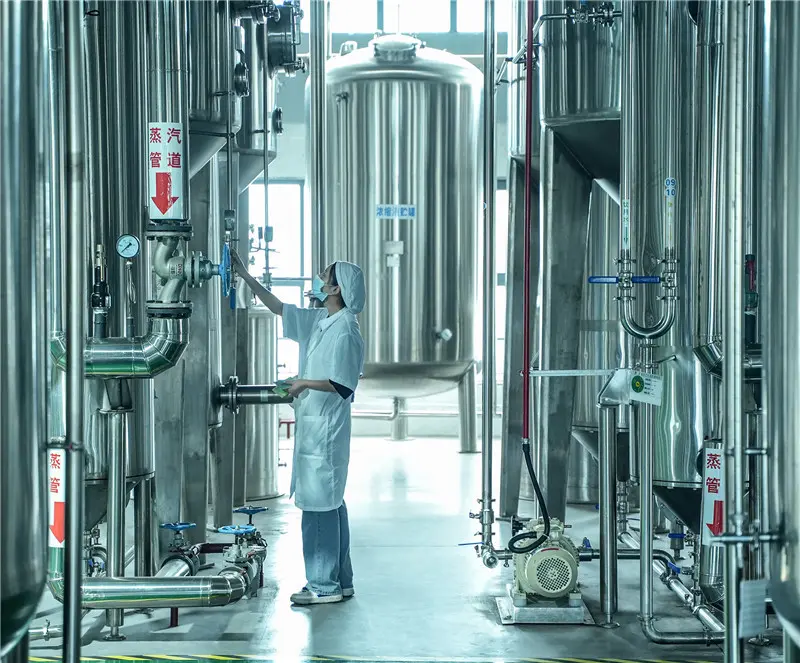
From the raw agricultural origin across Hunan, Yunnan, and Sichuan provinces to pilot-scale subcritical extraction and GLP-standard microplate reader assays, every stage is contained under a single administrative and scientific infrastructure.
While Western contract research entities typically schedule in vitro screening campaigns with lead times spanning 12 to 20 weeks, MedGence leverages robotic liquid handlers and uninterrupted cell lines to provide complete data packages in 3 to 5 weeks.
Our centralized reagent synthesis, domestic consumable supply lines, and optimized operational overhead allow international pharmaceutical and cosmetic brands to expand their screening libraries by 3x–5x within the same research budget.
A rigorous breakdown of our primary, secondary, and orthogonal in vitro testing capabilities optimized for regulatory dossiers and academic publications.
| Assay Category | Target Model / Biological System | Primary Endpoints & Biomarkers | Regulatory / Standard Protocol | Core Application Domain |
|---|---|---|---|---|
| Basal Cytotoxicity & Cell Viability | HepG2, HEK293, HaCaT, A549, NIH-3T3 fibroblasts | IC50, CC50, LDH leakage, MTT/CCK-8, ATP luminescent quantification | ISO 10993-5, OECD 129 | General safety screening, biocompatibility, compound triage |
| Phototoxicity & Photosafety | Balb/c 3T3 cell monolayer cultures with UVA irradiation (5 J/cm²) | Photo-Irritation Factor (PIF), Mean Photo Effect (MPE), neutral red uptake | OECD TG 432 | Cosmetics, topical pharmaceuticals, UV-reactive botanical extracts |
| Skin Irritation & Corrosion | Reconstructed Human Epidermis (RhE - EpiDerm / SkinEthic models) | Cellular viability via MTT reduction post-topical exposure; tissue integrity | OECD TG 439, OECD TG 431 | EU Annex replacement of animal Draize test; non-animal cosmetic claims |
| Skin Sensitization (Adverse Outcome Pathway) | KeratinoSens (ARE-Nrf2 luciferase) & h-CLAT (THP-1 CD86/CD54) | Luciferase induction factor, CD86/CD54 mean fluorescence intensity (MFI) | OECD TG 442D, OECD TG 442E | Dermatological formulations, allergen risk assessment, chemical safety |
| Metabolic & Enzyme Kinetics | Cell-free purified recombinant enzymes; hepatic microsomes | Inhibition curves (IC50, Ki, Km): Tyrosinase, Elastase, COX-2, 5-LOX, ACE, DPP-IV | ICH M12 Drug Interaction guidelines | Anti-aging efficacy, metabolic therapeutics, TCM mechanism deciphering |
| Anti-Inflammatory & Immunomodulation | LPS-stimulated RAW 264.7 macrophages; primary human PBMC | Nitric oxide (NO) inhibition, TNF-α, IL-1β, IL-6, IL-8, NF-κB translocation | Validated MedGence Standard SOP | Nutraceutical claims, immune health supplements, phytomedicines |
| Genetic Toxicity Battery | Salmonella typhimurium (TA98, TA100, TA1535, TA1537) & V79 / CHO cells | Histidine revertant colony counts (Ames); micronucleus frequency (MNvit) | OECD TG 471, OECD TG 487 | Pre-IND drug candidate filing, dietary ingredient NDI submissions |
| Intestinal Permeation & Bioavailability | Caco-2 polarized monolayer on semi-permeable Transwell inserts | Apparent permeability coefficients (Papp A-to-B, B-to-A), Efflux Ratio (P-gp) | FDA Guidance for Industry: BCS | Oral dosage formulation, botanical bio-absorption optimization |
Our bio-laboratories engineer stable reporter cell lines expressing luciferase driven by pathway-specific promoter elements (e.g., Nrf2 antioxidant response, NF-κB inflammatory signaling, and PPAR-γ metabolic transcription), capturing direct target engagement.
Simultaneously measure mitochondrial membrane potential (JC-1), nuclear condensation (Hoechst 33342), and cell-membrane permeabilization in a single multiplexed well, resolving compound cytotoxicity modes with sub-cellular resolution.
Every bioassay connects in real time to flash column chromatography, preparative HPLC, and high-resolution Q-TOF-MS. This empowers clients to fractionate crude plant liquors and identify the precise molecular leads responsible for bioactivity.
From compliance with strict international animal testing bans to substantiating aggressive commercial marketing claims.
Overcoming the historical "black box" criticism of botanical formulas. We test multi-herb complexes in cytokine release and metabolic receptor assays, producing empirical concentration-response curves required for hospital preparations and global IND filings.
Meeting European and US cruelty-free demands with full OECD-validated non-animal testing batteries. We validate anti-wrinkle (pro-collagen I synthesis), skin-brightening (cellular tyrosinase in B16F10 melanoma), and soothing claims without animal exposure.
Substantiating high-value structure/function claims for consumer brands. We evaluate glycemic regulation through α-glucosidase inhibition, intestinal antioxidant capacity using Caco-2 models, and lipid metabolism via 3T3-L1 adipocyte differentiation.
Supplying multinational industrial chemical and agrochemical firms with reliable European Chemicals Agency (ECHA) compliant toxicological portfolios, including in vitro eye irritation (BCOP - OECD 437) and in vitro chromosomal aberration packages.
Strategic deployment schedule of disruptive testing paradigms engineered to bridge the translational gap between the Petri dish and human biology.
Current Operational Standard: Commercial routine deployment of 3D reconstructed human skin, intestinal epithelial spheroids, and human hepatocyte microtissues. These multicellular 3D architectures reflect in vivo cell polarity, tight junctions (TEER > 1000 Ω·cm²), and realistic drug barrier kinetics impossible to emulate in basic 2D cell cultures.
Active Scale-Up (2025–2026): Integrating dynamic microfluidic vascular channels with interconnected Gut-Liver-Skin chips. This facilitates real-time first-pass metabolic clearance of botanical active ingredients before downstream target tissue exposure, capturing true systemic toxicity and real-time metabolite transformation.
2026 Horizon: Coupling automated robotic high-throughput multi-well fluorescence microscopy with deep learning convolutional neural networks (CNNs). This system analyzes hundreds of cytological parameters simultaneously to predict human clinical organ toxicities before committing to expensive in vivo or human clinical validation.
Ensuring cross-jurisdictional dossier acceptance across the US FDA, European EMA/ECHA, and Chinese NMPA regulatory review committees.
All in vitro testing operates under standard operating procedures harmonized with FDA 21 CFR Part 58 principles. Fully air-conditioned, positive-pressure cleanroom testing suites with automated environmental monitoring systems (temperature, relative humidity, CO2 tension) prevent drift and assure experimental stability.
Raw spectrographic data, plate reader optical densities, and high-resolution microscopy imaging files are locked under encrypted, unalterable digital storage. Complete instrument calibration logs, positive/negative control validation criteria, and blind sample indexing ensure total audit trail verification.
Every commercial partner retains 100% intellectual property ownership of assay readouts, active compound structures, and proprietary botanical fraction matrices. Air-gapped analytical workstations and compartmentalized project scientist assignments safeguard proprietary trade secrets.
Comprehensive technical guidance for procurement directors, laboratory heads, and scientific formulation managers.
Select your required research discipline below to initiate a structured feasibility review with our lead study directors.