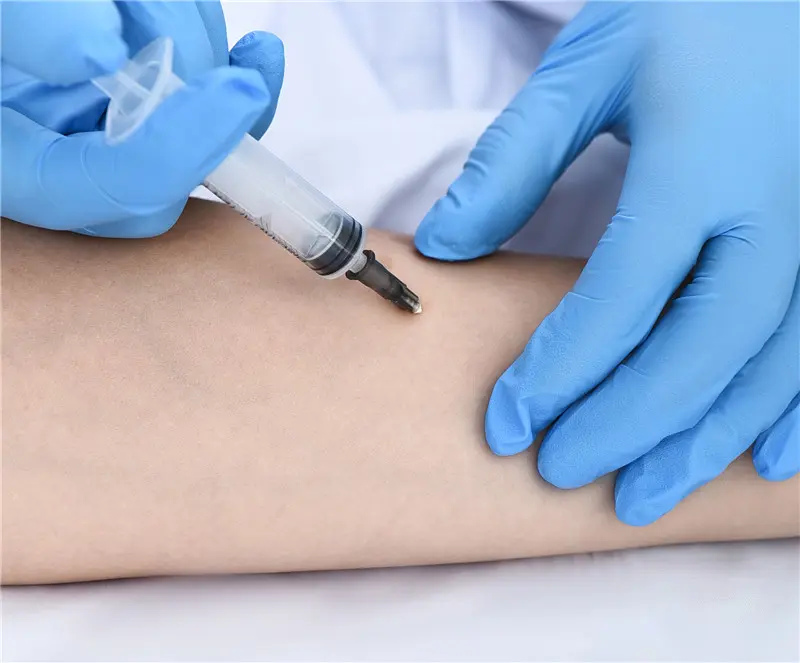
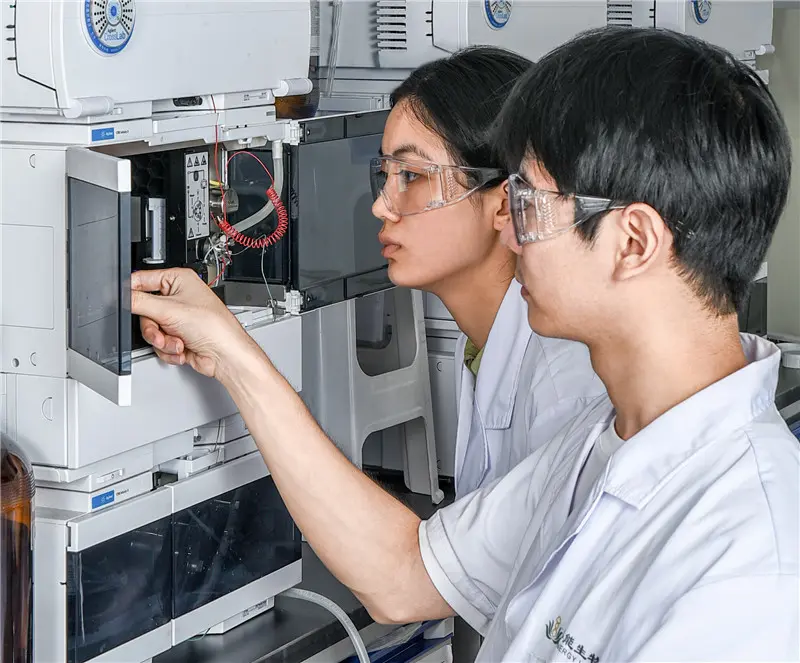
Seamless transition from high-throughput phytochemical identification to multi-center clinical validation and GMP pilot scale-up.



Backed by MedGence (Yineng Pharma), our infrastructure bridges modern pharmacokinetics with multi-center clinical trials in Mainland China.
The global human clinical trials landscape is undergoing a systemic paradigm shift. Valued at over USD $52 billion annually, the international contract research and clinical trial manufacturing market faces escalating recruitment bottlenecks, surging per-patient trial expenses in Western centers, and the growing regulatory imperative for diverse, ethnically inclusive demographic data. In this evolving global clinical ecosystem, China has emerged not merely as a cost-effective alternative, but as an indispensable primary center for high-velocity, high-quality human clinical trials adhering strictly to the International Council for Harmonisation (ICH) E6(R2/R3) Good Clinical Practice (GCP) guidelines.
China's National Medical Products Administration (NMPA) regulatory reforms over the past decade have seamlessly aligned domestic clinical submission standards with US FDA Investigational New Drug (IND) and European Medicines Agency (EMA) protocols. A pivotal element of this modernization is the rapid growth of clinical trials focused on plant-derived active compounds, botanical drug products, and evidence-backed nutraceuticals. Through integrated research organizations such as MedGence (Yineng Pharma), global biopharmaceutical sponsors are capitalizing on vast patient access, state-of-the-art trial sites across Grade 3A academic medical centers, and fully integrated preclinical-to-clinical platforms.
Historically, botanical therapeutics suffered from ambiguous standardization, batch variations, and lack of reproducible pharmacokinetic/pharmacodynamic (PK/PD) curves. Today, Chinese clinical trial suppliers are setting global benchmarks by utilizing high-performance thin-layer chromatography (HPTLC), ultra-high performance liquid chromatography-tandem mass spectrometry (UHPLC-MS/MS), and robotic genomic screening to purify and characterize candidate molecules before first-in-human (FIH) administration.
We deliver systematic trial execution, from institutional review board (IRB) clearance to multi-center data monitoring and biostatistics.
Dose escalation, bioavailability, bioequivalence (BE), and maximum tolerated dose (MTD) protocols conducted in dedicated GCP Phase I clinical wards with real-time biometric telemetry.
Target indication validation, biomarker modulation, dose-response curve establishment, and dynamic efficacy endpoints across targeted, stratifiable disease patient cohorts.
Confirmatory clinical efficacy trials deploying adaptive trial designs across national networks of Tier-3 hospitals, supporting double-blind, randomized, placebo-controlled evaluations.
Post-marketing surveillance, longitudinal pharmacovigilance, health economics and outcomes research (HEOR), and real-world clinical registry construction for expanded label claims.
Double-blind human clinical trials tailored to nutraceutical regulations (EFSA, US DSHEA, China SAMR), quantifying physiological improvement in metabolic, cognitive, and cardiovascular metrics.
ICH Q2(R1) validated analytical assays utilizing HPLC, GC-MS, HPTLC, and chromatographic fingerprinting to verify dosage uniformity and human biological sample stability.
Modern clinical studies are transitioning away from monolithic, slow-moving operations toward data-dense, technologically integrated trial environments. China’s biopharmaceutical industry has heavily incorporated AI-assisted patient matching, Decentralized Clinical Trials (DCTs), and continuous remote patient monitoring via medical-grade IoT devices. This structural upgrade directly resolves historic bottlenecks in trial execution.
Natural drug research frequently encounters patient heterogeneity, where varying host microbiomes and metabolic profiles alter drug responsiveness. Chinese clinical CROs are pioneering predictive patient enrichment algorithms that analyze baseline genetic and metabolic biomarkers, ensuring that clinical cohorts demonstrate measurable responsiveness while reducing screen failure rates by up to 40%.
One of the primary failure points in global human clinical trials is Investigational Medicinal Product (IMP) failure—inconsistencies in the clinical batch compared to preclinical material. MedGence solves this via its vertically integrated CDMO pilot plant and cooperative industrial facilities. Active ingredients are extracted, purified into concentrated liquids, powders, or pastes, and formulated into final dosage forms (capsules, tablets, oral liquids, softgels) under strict cGMP conditions, ensuring complete chemistry, manufacturing, and controls (CMC) compliance throughout all phases.
In response to global demands for rapid patient enrollment, hybrid trial models are now operational across China. By combining provincial research hospitals with local clinical networks and cloud-synchronized electronic data capture (EDC), patient retention rates routinely surpass 92%, drastically lowering attrition in chronic, longitudinal trials.
A disciplined 4-stage operational blueprint for domestic and international drug registrations.
Plant material extraction, seasonal potency evaluation, HPTLC/HPLC standard setting, raw material stability, and early tox assessments (LD50, acute, genotoxicity).
In vitro target receptor testing, organ-level and animal disease models, GLP safety profiling, pharmacokinetic screening, and regulatory filing for human trial approval.
FIH safety escalation, bioavailability validation, randomized controlled pivotal trials across multi-tier hospitals, electronic data capture, and ICH-GCP compliant biostatistics.
New Drug Application dossier consolidation, commercial batch manufacturing in GMP facilities, Post-Market surveillance (Phase IV), and patent portfolio lifecycle defense.
For supplement brands expanding across North America, Europe, and Asia, our small-group and randomized human intervention trials provide peer-reviewed data to legally support structural and functional health claims under FDA and EFSA authorities.
Botanical drugs present complex regulatory hurdles due to chemical heterogeneity. MedGence pairs chromatographic batch reproducibility with rigorous toxicology and Phase I-III trials, satisfying US FDA Botanical Guidance for Industry requirements.
Clinical trials for dermocosmetic actives require sensitive in vivo testing. We coordinate human patch testing, transepidermal water loss (TEWL) analytics, and imaging-based clinical evaluations to prove anti-aging, barrier repair, and anti-inflammatory action.
Under our contract research organization (CRO) and contract development and manufacturing organization (CDMO) protocols, intellectual property protection is structural. All formulas, analytical methods, raw material sourcing coordinates, extraction flowcharts, and clinical data remain the sponsor's exclusive property under strict non-disclosure terms, shielding innovations from cross-market leakage.
Clear answers to key operational, legal, and regulatory considerations for conducting human clinical trials in China.
Yes. Both the US FDA (under 21 CFR 312.120) and the EMA accept foreign clinical trial data provided the studies are conducted in accordance with Good Clinical Practice (ICH-GCP), including institutional ethics committee review, informed consent, and verified source data verification (SDV). Our clinical trials strictly adhere to these international benchmarks.
We perform multi-origin, seasonal potency studies using HPTLC, HPLC, and GC fingerprinting. By mapping geographic cultivars and identifying precise harvesting windows, we lock in quantitative chemical profiles for all critical marker compounds prior to clinical formulation.
Yes. Our pilot facility and commercial partner factories develop and manufacture identical active investigational medicinal products (IMPs) alongside organoleptically matched placebos (matching color, taste, scent, density, and appearance) in oral liquid, tablet, capsule, granule, or softgel forms.
Preclinical screening, in vitro efficacy, animal toxicity (acute and GLP 28/90-day repeat dose), and analytical validation generally span 6 to 12 months. Phase I first-in-human trials run for 4 to 8 months, while Phase II/III timelines depend on protocol complexity, target indication, and endpoint observation windows.
Partner with China’s premier clinical trial manufacturers and research suppliers. Contact our scientific team for customized trial design.