Explore our integrated laboratory-to-commercial manufacturing suites, supporting single-herb extracts, multi-herb synergistic formulas, and validated analytical releases.






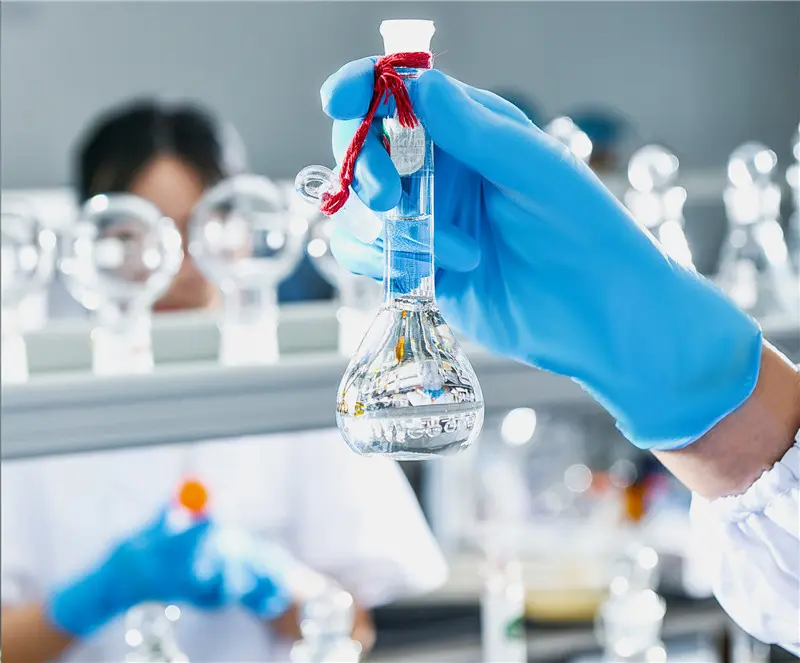
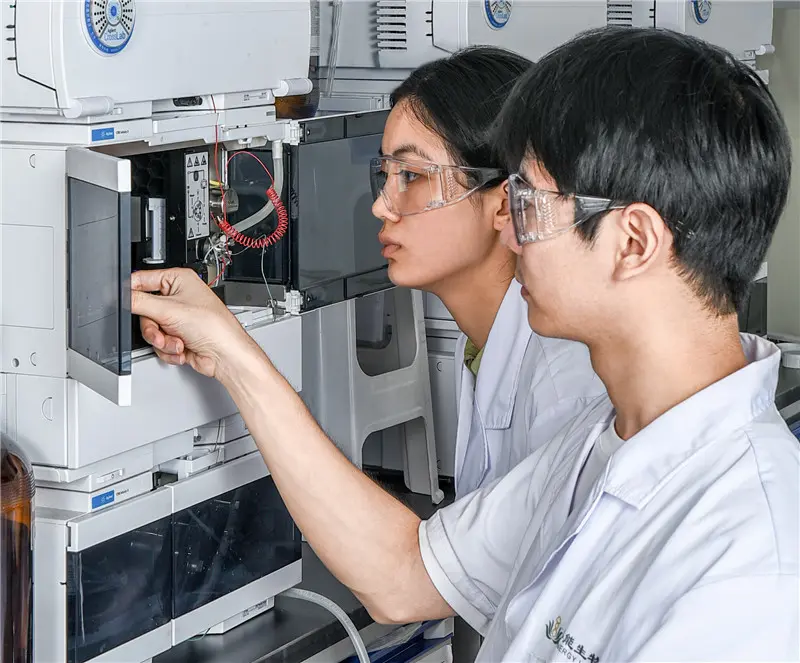
The global herbal pharmaceutical and nutraceutical tablet sector is experiencing an unprecedented technological renaissance. Historically, herbal tablets struggled with significant consumer dissatisfaction driven by excessive tablet friability, hygroscopic degradation, variable therapeutic potency, high microbial counts, and batch-to-batch organoleptic inconsistencies. Today, international pharmaceutical buyers across North America, the European Union, and the Asia-Pacific region demand rigorous physicochemical uniformity, validated dissolution kinetics, and standardized marker quantifications compliant with USP, Ph. Eur., and ChP pharmacopeias.
As an established Chinese natural medicine CRO (Contract Research Organization) and CDMO (Contract Development and Manufacturing Organization) headquartered in Changsha, Hunan, MedGence (Yineng Pharma) operates at the nexus of classical ethnobotanical wisdom and contemporary biopharmaceutical engineering. Developing commercial-scale herbal tablets requires solving intricate formulation bottlenecks: handling amorphous hygroscopic dry extracts, optimizing low-excipient direct compression, preventing binder retrogradation, and designing film coatings capable of oxygen and moisture barrier protection without compromising gastrointestinal disintegration times.
Overcoming the natural physicochemical hurdles of complex botanical matrices through particle science, low-temperature granulation, and intelligent coating systems.
Botanical extracts frequently contain native saccharides, organic acids, and polyphenol glycosides that cause extreme moisture uptake, leading to tablet softening, mold formation, and API degradation.
Formulating multi-herb solid doses with maximum botanical concentration (often >70% extract by mass) while maintaining exceptional tensile strength and low friability below 0.5%.
Achieving flawless aesthetic masking, bitter taste neutralization, and enteric protection using clean-label, titanium dioxide-free, aqueous polymethacrylate or cellulose systems.
Western botanical brands face mounting risks: unpredictable API spot prices, fragmented contract testing networks, protracted batch turnaround times (often 6 to 9 months), and brittle regional supply lines. Headquartered within Hunan's specialized biomedical corridor, MedGence delivers a completely closed-loop, vertical supply chain model. From botanical geo-authenticity verification at certified GAP (Good Agricultural Practices) origins to industrial-scale extraction, chromatographic fraction purification, formulation compaction, and validated batch packaging, our single-site operational continuity safeguards brand velocity.
Integrated from 5,000L multi-functional continuous counter-current extractors to high-speed 65-station rotary tablet presses generating over 500,000 tablets per hour under continuous automated weight rejection.
Integration of Near-Infrared (NIR) spectroscopy and real-time particle image analyzers inside granulation chambers ensuring moisture endpoints and granule size distribution (PSD) remain statistically identical across batches.
Direct raw-material integration with Chinese botanical farming bases eliminates third-party trader margins, offering 35% to 55% direct procurement cost reductions compared to European or North American toll-manufacturers.
Proprietary formulas operate under isolated cleanroom wings with encrypted Batch Production Records (BPRs) and non-disclosure architectures conforming to international trade secret guidelines.
Botanical crops are vulnerable to climate fluctuations, unseasonal rainfall, and geographic harvest discrepancies. By maintaining dynamic databases tracking active marker potency across harvest seasons and geo-origins, our agronomy and analytical teams stabilize API potency across consecutive calendar years. This scientific buffering guarantees our enterprise partners experience zero downtime and invariant tablet bioavailability.
Benchmarking MedGence's pharmaceutical-grade tablet manufacturing metrics against traditional contract manufacturing standards.
| Physicochemical Parameter | Conventional Herbal Toll-Manufacturer | MedGence Pharmaceutical CDMO Standard | Analytical Verification Method |
|---|---|---|---|
| Disintegration Time | 30 – 45 Minutes (Often Erratic) | < 15 Minutes (Immediate) / Controlled (0-8h) | USP <701> / Ph. Eur. 2.9.1 |
| Tablet Friability | 0.8% – 1.5% (High Chipping) | < 0.25% (Extreme Structural Integrity) | USP <1216> (100 Rotations) |
| Extract Loading Ratio | 30% – 45% (Excessive Filler Required) | Up to 75% Active Dry Botanical Extract | High-Density Compaction |
| Marker Content Uniformity | RSD 8.0% – 15.0% | RSD < 3.0% (Batch-to-Batch) | HPLC-DAD / LC-MS/MS |
| Hygroscopic Protection | PVA / Standard Shellac (Degrades in Zone IVb) | Advanced Moisture-Barrier Multi-Polymer | Accelerated Stability 40°C / 75% RH |
| Pesticide & Heavy Metal Residues | Selective Screening (Spot Auditing) | 100% Monograph Screen (500+ Multi-Residue) | GC-MS/MS, ICP-MS (USP <232>) |
Aligning pharmacological mechanisms and sensory formats to distinctive regional regulatory pathways and consumer demographics.
Compliant with FDA DSHEA (21 CFR Part 111). Formulation emphasis on standardized adaptogenic blends (Ashwagandha, Rhodiola, Panax Ginseng), cognitive support nootropic tablets, and botanical metabolic stabilizers formulated with clean-label non-GMO excipients.
Engineered to conform to European Medicines Agency (EMA) Herbal Monographs and Well-Established Use / Traditional Herbal Medicinal Products (THMPD) guidelines. Complete analytical fingerprinting with validated marker potency (e.g., Ginkgo flavonols, Silymarin, Hypericin).
Modernized solid-dose translations of celebrated classic prescriptions (Fangji). We have developed 83 modernized classic formulas and secured 56 hospital preparation approvals, transforming multi-herb decoctions into high-compliance, rapid-dispersing oral tablets.
Clear, technically rigorous answers addressing regulatory dossiers, stability validation, tolling specifications, and supply terms.
Natural extracts often contain highly lipophilic compounds (e.g., triterpenes, sesquiterpenes, curated polyphenols) with low aqueous solubility. Our pharmaceutical development team implements micronization via air-jet milling to reduce d90 to below 10 micrometers, spray-drying with polymeric solid dispersions (such as PVP K30 or HPMC), and self-microemulsifying drug delivery systems (SMEDDS) converted to solid carriers. These strategies dramatically increase dissolution velocity according to the Noyes-Whitney equation, maximizing in vivo oral bioavailability.
Every commercial campaign is delivered with a comprehensive Certificate of Analysis (CoA) conforming to USP/Ph. Eur. requirements. This includes validated chromatographic assays (HPLC/GC-MS/HPTLC fingerprinting), residual solvent limits (USP <467>), elemental impurities (ICH Q3D / USP <232> by ICP-MS), multi-class pesticide screening (over 500 analytes), microbiological testing (total aerobic microbial count, bile-tolerant gram-negative, yeast/mold, absence of Salmonella and E. coli), and accelerated/real-time ICH stability protocols.
Yes. We design and maintain proprietary tooling supporting round, oblong, oval, caplet, and multi-layered (bi-layer/tri-layer) formats with customized brand logo debossing. For brands targeting clean-label, vegan, and organic credentials, we eliminate magnesium stearate, talc, and artificial colors, substituting certified organic rice concentrate, bamboo silica, and plant-derived natural riboflavin/chlorophyll film coatings.
Our flexible contract model accommodates both early-stage clinical trial supplies and high-volume commercial scaling. Pilot feasibility batches for tablet compaction begin at 50,000 units. Commercial routine campaigns typically start at 300,000 to 500,000 tablets. Formulation screening and pilot samples are produced within 3 to 4 weeks, with full-scale commercial delivery completed within 6 to 8 weeks upon final active ingredient standardization.
Preclinical safety is evaluated in accredited GLP laboratory environments. We perform Acute Toxicity assays (oral LD50 evaluation in murine models), Repeat-Dose Subchronic Toxicity testing (28-day and 90-day oral toxicity), and Genetic Toxicity test batteries (Bacterial Reverse Mutation / Ames Test, In Vitro Mammalian Chromosomal Aberration, and In Vivo Micronucleus assays) necessary for novel dietary ingredient (NDI) or botanical investigational new drug (IND) dossiers.
We employ Chromatographic Fingerprint Similarity Evaluation software endorsed by the Chinese Pharmacopoeia Commission. By establishing multi-wavelength HPLC/UPLC and GC-MS fingerprint profiles of characteristic reference standards, we mathematically mandate that every incoming herbal batch achieves a similarity coefficient of ≥ 0.95. If natural variations occur, botanical extracts are systematically blended at the liquid concentrate stage before drying to strictly hit target marker concentrations.
Select a specialized research or manufacturing service to accelerate your brand's regulatory compliance and market introduction.
