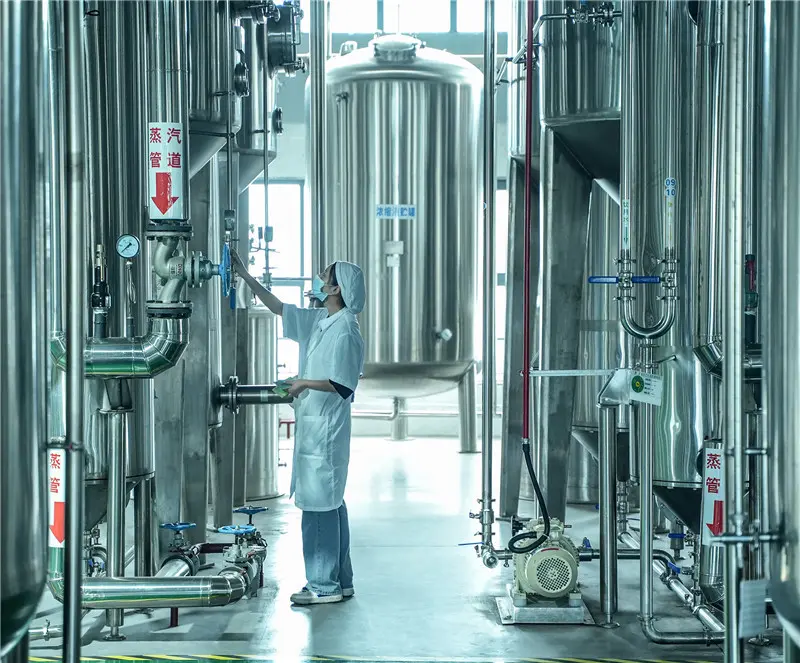
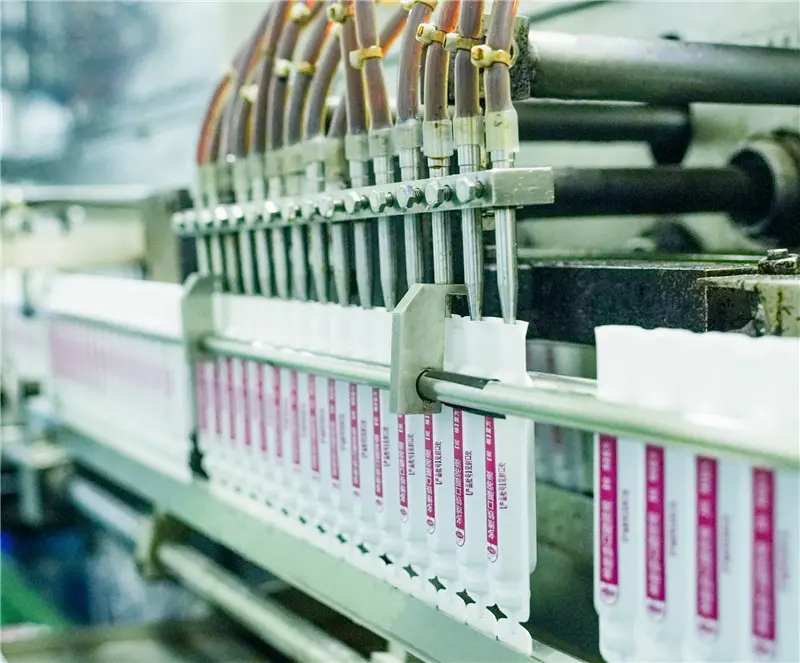
Integrating empirical phytochemical validation with certified cGMP mass-production protocols for Tier-1 multinational buyers.







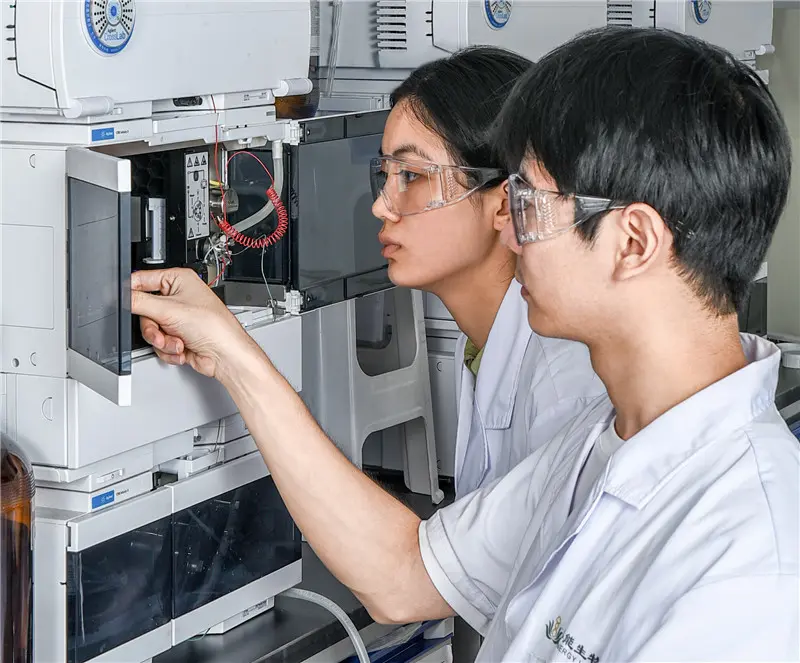
Navigating stringent pharmacopeial specifications, sustainable bioprocessing, and supply chain vulnerability across Western and Asian biopharma markets.
Global pharmaceutical and nutraceutical enterprises are transitioning away from rudimentary crude herbal powders toward precisely quantified bioactive markers (such as ginsenosides, polyphenols, astragalosides, and artemisinin derivatives). This shift demands ultra-low batch-to-batch variation (≤2.0% RSD) verified via LC-MS/MS and chromatographic fingerprinting.
Global regulatory bodies (US FDA, EMA, NMPA) enforce zero tolerance for environmental contaminants. Modern procurement specifications dictate stringent thresholds for residual pesticides (>500 compound screens), heavy metals (Pb, Cd, As, Hg), mycotoxins (Aflatoxin B1/total, Ochratoxin A), and residual volatile extraction solvents according to ICH Q3C guidelines.
Resilience and provenance have evolved into decisive procurement factors. Buyers require full agronomic and processing transparency—from GAP-certified agricultural cultivation zones, seasonal harvest timing, and initial drying methods to large-scale pilot extractions and finished packaging—mitigating economic adulteration risks.
Resolving core biophysical bottlenecks in extraction kinetics, thermal stability, solubility enhancement, and scalable industrial reproduction.
Utilizing counter-current extraction, supercritical fluid extraction (SFE-CO2), and macroporous resin column chromatography to maximize target fraction recovery while eliminating inactive ballast matter.
Overcoming botanical active hydrophobicity and poor gastrointestinal permeability via advanced liposomal nano-encapsulation, cyclodextrin inclusion, and microemulsion delivery systems.
Preventing chemical degradation and hydrolysis through low-temperature falling-film concentration, vacuum band drying, and fluidized-bed spray agglomeration for superior bulk powder flowability.
Generating compliant technical documentation, including Drug Master Files (DMF), Certificates of Suitability (CEP), EU Novel Food files, and US FDA New Dietary Ingredient (NDI) submissions.
Strategic convergence of synthetic biology, biotransformation, in silico screening, and automated quality control frameworks.
Precision bioconversion of low-potency primary botanical glycosides into rare, high-bioactivity secondary aglycones. For instance, selective deglycosylation of protopanaxadiol-type ginsenosides into bioactive Rare Ginsenoside Rg3, Rh2, and Compound K via immobilized recombinant glycosidases.
Application of molecular docking simulations and network pharmacology models against broad multi-target TCM databases. This computational workflow predicts phytochemical-receptor affinities across metabolic, neurological, and oncological targets prior to wet-lab validation.
Process Analytical Technology (PAT) incorporating real-time In-line Near-Infrared (NIR) spectroscopy and automated HPLC fraction monitors across industrial extraction vessels, ensuring absolute process repeatability and real-time release (RTRT) compliance.
Navigating fragmented regional trade compliance mandates across North America, the European Union, the Asia-Pacific basin, and South America.
Full adherence to 21 CFR Part 111 (Dietary Supplements) and Part 211 (Finished Pharmaceuticals). MedGence provides complete botanical identity testing documentation using orthogonal techniques (HPTLC + HPLC retention-time correlation) to fulfill FSMA requirements and DSHEA premarket safety notifications.
Conformity with European Pharmacopoeia (Ph. Eur.) monographs, Herbal Medicinal Products Committee (HMPC) Community herbal monographs, and Novel Food Regulation (EU) 2015/2283. Rigorous validation of Polycyclic Aromatic Hydrocarbons (PAHs), pyrrolizidine alkaloids (PA), and ethylene oxide residuals.
Expert alignment with Chinese Pharmacopoeia (ChP) 2025 edition standards for Classical TCM formulas, Australian Therapeutic Goods Administration (TGA) Listed Medicine guidelines, and Japanese PMDA Kampo raw material purity testing, ensuring smooth customs release and audit approvals.
Trusted by national biopharma groups, hospital research institutes, and university labs across hundreds of research batches.








Definitive technical and operational responses tailored to VP Procurement, Head of QC/QA, and Director of Phytochemical R&D.
Scalable delivery formats covering purified extract powders, concentrated botanical liquids, volatile fractions, and full-dosage solid preparations.