Industrialized active ingredient evaluation pipelines, bio-assay methodologies, and high-performance CDMO scale-up solutions for international pharmaceutical, nutraceutical, and cosmaceutical innovators.






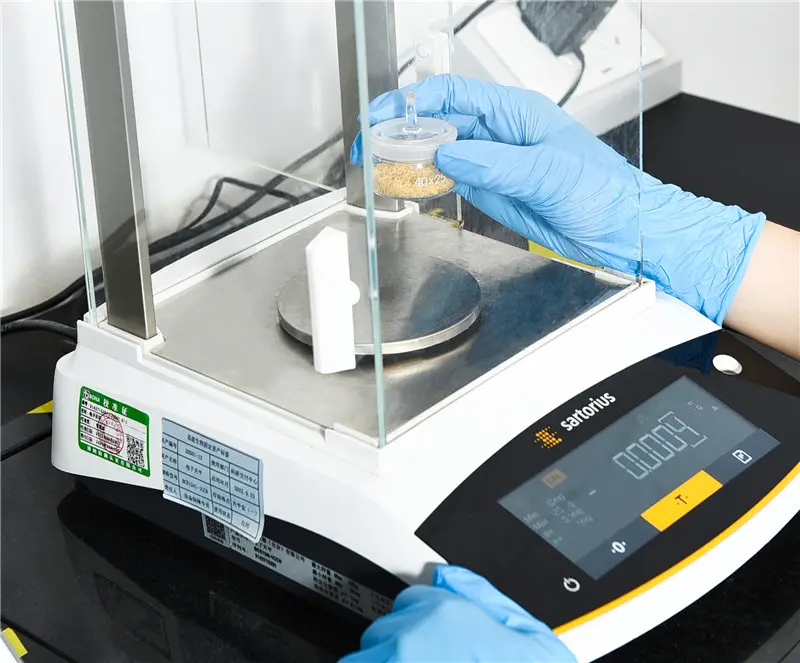
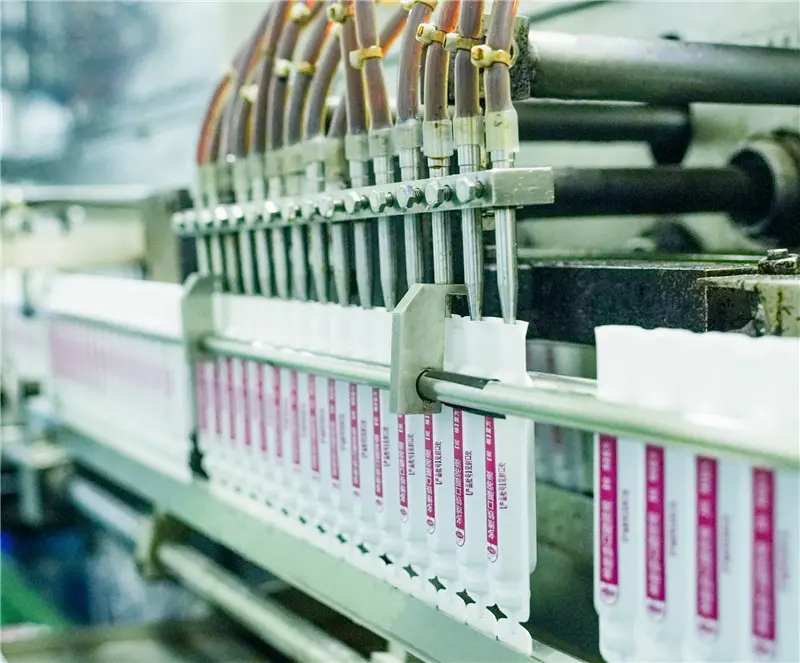
Navigating the transition from unstandardized botanical extracts to clinically validated, chemically defined bioactive molecules supported by reproducible multi-target pharmacodynamics.
In the contemporary global regulatory landscape, multinational life science brands, dietary supplement developers, and botanical drug developers face unprecedented hurdles regarding efficacy substantiation. Regulatory bodies including the US FDA (under 21 CFR Part 111 and botanical drug development guidance), the European Medicines Agency (EMA/HMPC), and China’s National Medical Products Administration (NMPA) increasingly mandate rigorous molecular identification, chromatographic fingerprint consistency, quantitative toxicological benchmarks, and statistically validated clinical proof. Finding a trustworthy China efficacy manufacturer and contract development partner is no longer merely a procurement cost-cutting measure; it is a fundamental technological imperative for companies seeking unassailable market authorization, verifiable structure-function claims, and clinical superiority.
Headquartered in Changsha, Hunan—a historical epicenter of botanical biodiversity and pharmaceutical innovation—MedGence Technical Co., Ltd. (Yineng Pharma) operates at the nexus of classical ethnopharmacological heritage and state-of-the-art chromatographic and cell-signaling infrastructure. Our integrated platform bridges the historic gap between raw agricultural supply chains and rigorous clinical dossier readiness, having delivered high-purity phytochemical active research programs for more than 100 prestigious pharmaceutical corporations, academic medical institutions, and tertiary clinical hospitals across Greater China and global export destinations.
Screening thousands of plant matrices for high-affinity bioactives including complex polyphenols, triterpenoid saponins, specialized alkaloids, and immunomodulatory polysaccharides using bio-affinity ultrafiltration and LC-MS/MS platforms.
Overcoming seasonal and geographic variability by establishing multi-wavelength HPLC, GC-MS, and HPTLC chromatographic fingerprints, guaranteeing tight batch-to-batch chemical equivalence across commercial cycles.
Bridging in vitro cell biology with robust in vivo mammal models under GLP compliance. Every efficacy endpoint is verified through validated biomarker panels, western blotting, qPCR, and histopathological scoring.
How high-tier Chinese efficacy manufacturing directly fuels competitive advantage across nutraceutical, pharmaceutical, clinical hospital, and derma-cosmetic verticals worldwide.
Standardized botanical fractions tailored for AMPK activation, GLUT4 translocation enhancement, and alpha-glucosidase inhibition, replacing crude extracts with molecularly defined active loads.
Targeting blood-brain barrier penetration, neurotrophin upregulation (BDNF/NGF), acetylcholinesterase inhibition, and neuroinflammation suppression for age-related cognitive health formulations.
High-potency botanical actives with proven suppression of inflammatory cytokines (TNF-alpha, IL-6), tyrosinase down-regulation, and stimulation of Type I collagen gene expression in human dermal fibroblasts.
Endothelium-protective botanical ingredients formulated for nitric oxide synthesis, vasodilation kinetics, lipid profile modulation, and prevention of low-density lipoprotein (LDL) oxidation.
From empirical extraction to artificial intelligence, network pharmacology, and multi-omics verification: The 2025–2030 evolutionary trajectory of botanical efficacy.
| Technological Phase | Core Scientific Methodology | Extraction & Purification Engineering | Efficacy Verification & Biomarker Criteria | Commercial Advantage & Value |
|---|---|---|---|---|
| Phase 1: Empirical Extraction | Traditional boiling, alcohol reflux, basic water decoction. | Atmospheric evaporation, crude filtration, uncontrolled solvent residue. | Dry weight yield, crude thin-layer chromatography (TLC), qualitative color testing. | Low barrier to entry, heavy batch variance, minimal global regulatory compliance. |
| Phase 2: Standardized Compounds | Single-marker quantification via HPLC-UV, GC, standard mass spectrometry. | Macroporous resin absorption, column chromatography, spray drying under temperature control. | Assay percentage of one signature compound (e.g., 5% Ginsenosides), basic in vitro antimicrobial. | Broad global dietary supplement adoption; vulnerable to economic adulteration and origin drift. |
| Phase 3: Multi-Target Fingerprinting (MedGence Benchmark) | Comprehensive chemical fingerprinting (HPTLC, HPLC-DAD-MS/MS), network pharmacology. | Supercritical CO2, membrane ultrafiltration, counter-current chromatography, continuous vacuum crystallization. | Validated cellular pathways (qPCR, ELISA), acute/chronic toxicity (LD50), randomized controlled human clinical trials. | Pharmaceutical registration approval, high-tier hospital preparations, defensible patent protection. |
| Phase 4: AI & Multi-Omics (2025–2030 Roadmap) | In silico molecular docking, AI-driven structure-activity prediction, botanical transcriptomics & metabolomics. | Enzymatic bio-transformation, green continuous ultrasonic microreactors, targeted nano-emulsification. | High-content phenotypic cell imaging, single-cell RNA sequencing, epigenetic modulation screening. | Accelerated New Drug Application (NDA) filing, patent-protected novel phytochemical NCEs, absolute target specificity. |
The modernization of botanical medicine is undergoing a seismic paradigm shift. MedGence's technological roadmap integrates artificial intelligence into the earliest phases of botanical discovery. By utilizing computational target fishing and molecular docking algorithms, our research platform evaluates the interaction of hundreds of phytocompounds with specific human receptor libraries before pilot bench work begins. This diminishes preclinical discovery cycles from years to months, allowing brand partners to swiftly pinpoint active fractions capable of clinical substantiation.
Furthermore, the integration of green extraction engineering—such as supercritical fluid extraction coupled with membrane nano-filtration—ensures that delicate botanical fractions are harvested without thermal degradation or chemical solvent contamination. The resultant concentrates maintain complete biochemical fidelity with the parent herb while optimizing bio-availability for consumer dosage formulations.
How localized GAP cultivation clusters, vertical industrial integration, and pilot-to-commercial agility provide unparalleled supply security and competitive cost arbitrage.
China produces over 80% of the world's raw botanical inputs. MedGence maintains direct partnerships with Good Agricultural Practices (GAP) farming cooperatives across authentic geographic locations (Daodi terroirs) throughout Hunan, Yunnan, Guizhou, and Sichuan provinces.
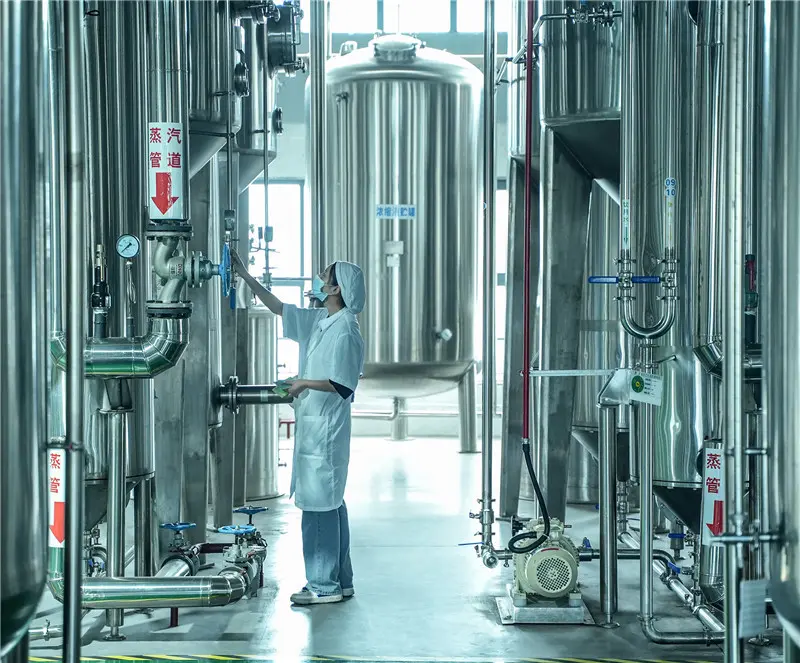
Unlike pure CRO laboratories that lack production scale or commodity extractors lacking analytical capability, MedGence runs an agile technical continuum. Validated laboratory protocols move directly into our state-of-the-art pilot facilities and cGMP-certified multi-ton partner factories.
Developing botanical active efficacy in Western jurisdictions routinely incurs exorbitant capital outlays and multi-year delays. Leveraging our Changsha R&D cluster delivers 50–70% cost savings alongside 3x faster preclinical execution.
Harmonizing Chinese botanical extraction excellence with international regulatory doctrines: US FDA DSHEA, EMA Traditional Herbal Medicinal Products, and Asian Health Authorities.
Commercializing botanical active ingredients on a global stage requires navigating intricate regional compliance frameworks. In the United States, dietary supplements governed by the Dietary Supplement Health and Education Act (DSHEA) and 21 CFR 111 require rigorous identity verification, raw ingredient qualification, and scientifically defensible structure-function claim dossiers. Any clinical endpoint claim or New Dietary Ingredient Notification (NDIN) must be supported by full toxicological profiling (including acute, sub-chronic 90-day, and in vitro genotoxicity studies). In contrast, botanical new drug candidates (under FDA CDER Botanical Drug Development Guidelines) require complex chromatographic batch-to-batch consistency that tracks multiple chemical markers alongside biological assays.
Across the European Union, the European Medicines Agency (EMA) enforces Directive 2004/24/EC for Traditional Herbal Medicinal Products (THMPD) and Regulation (EC) 1924/2006 for health claims, requiring documented historical usage, chromatographic purity certificates, and rigorous clinical safety trials. Simultaneously, in China, the National Medical Products Administration (NMPA) sets the world’s most extensive quality criteria for Chinese Materia Medica and hospital internal preparations (Zhi-Ji), demanding multi-component chromatographic fingerprinting and dual in vitro/in vivo pharmacodynamic confirmation.
MedGence solves this global divergence by engineering compliance at the source. Our analytical method establishment protocols and toxicology testing packages are explicitly aligned with ICH (International Council for Harmonisation) quality standards, OECD Good Laboratory Practices (GLP), and international pharmacopoeial monographs (USP, Ph. Eur., and ChP). By doing so, our global partners receive turnkey documentation ready for submission into regulatory dossiers worldwide.
Enterprise-grade confidentiality protocols, non-disclosure compliance, and rigorous scientific dossier documentation designed to withstand external institutional audits.
We operate strictly under an entrusted research and manufacturing model. All client formulation parameters, proprietary extraction methods, and assay data are safeguarded with strict Chinese and international non-disclosure agreements (NDAs) and partitioned server infrastructure.
Every research program culminates in a comprehensive, audit-ready data binder. From raw chromatographic raw data files to statistical animal study reports and clinical trial management dossiers, our documentation supports immediate regulatory review.
Quality control begins at the botanical origin and extends through the delivered commercial container. Every commercial batch includes certified analytical reports detailing identity, assay, solvent residues, microbiological load, and elemental impurities.
Our botanical discovery and efficacy verification methodologies have been deployed and audited by China's foremost healthcare institutions and publicly listed pharmaceutical conglomerates.
 Tongrentang Group
 CR Sanjiu
 Sunflower Pharma
 Livzon Pharma
 Dihon Pharma
 Golden Throat
 Yangtze River Pharma
 Humanwell Healthcare
 Luoxin Pharma
 Apeloa Pharma
 Shuguang Hospital
 Second Xiangya Hospital
In-depth answers addressing preclinical design, chromatographic validation, pilot scale-up parameters, and intellectual property ownership.
Standard extract suppliers operate as bulk agricultural ingredient processors, offering generic ratios (e.g., 10:1) with high batch-to-batch chemical variance and zero biological testing. In contrast, an Efficacy Manufacturer functions as an integrated CRO/CDMO platform that isolates, quantifies, and proves active molecules. We validate target receptor activation, establish fingerprint chromatograms, prove non-toxicity, and manufacture commercial batches under certified cGMP specifications with guaranteed biological potency.
Botanical phytochemistry is heavily influenced by altitude, soil composition, and seasonal climate. We conduct systematic multi-origin and multi-seasonal potency evaluations. By collecting and analyzing hundreds of harvest batches across authentic Daodi terroirs, we pinpoint the precise regional origin and optimal vegetative harvest window that yields the highest content of active components. We then lock this into contract farming agreements to ensure long-term consistency.
Yes. Leveraging our network of 30+ top-tier Chinese tertiary teaching hospitals and clinical research centers, we design and coordinate human clinical trials compliant with Good Clinical Practice (GCP). This spans small-cohort randomized, double-blind, placebo-controlled substantiation trials for dietary supplements up to full Phase I through Phase IV studies required for botanical New Drug Applications (NDAs).
Our contract manufacturing capabilities cover both active intermediate raw materials (concentrated aqueous/ethanolic liquids, spray-dried powders, vacuum-dried pastes, supercritical CO2 volatile oils) and commercial finished dosage forms (hard-shell capsules, softgels, micro-tablets, effervescent tablets, oral liquid ampoules, and vacuum-sealed soluble granules).
All contract research and manufacturing engagements are protected under internationally enforceable bilingual Non-Disclosure Agreements (NDAs). Clients retain 100% intellectual property ownership over all proprietary formulas, process refinements, and study data. Our enterprise operates on an entrusted service model, strictly prohibiting internal consumer-facing brand conflict or unauthorized technology disclosure.
Our central Changsha analytical testing suites feature High-Performance Thin-Layer Chromatography (HPTLC), High-Performance Liquid Chromatography with Diode Array Detection (HPLC-DAD), Ultra-High Performance Liquid Chromatography coupled with Triple Quadrupole Mass Spectrometry (UHPLC-QQQ-MS/MS), Gas Chromatography with Flame Ionization and Mass Spectrometry (GC-FID/MS), Inductively Coupled Plasma Mass Spectrometry (ICP-MS), and Fourier Transform Infrared Spectroscopy (FTIR).
Select a specialized research module or turnkey CDMO production stream below to initiate custom protocols with our chief pharmaceutical scientists.

Connect with our senior scientific team in Changsha to discuss target molecule indications, analytical method transfer, preclinical study schedules, or pilot-scale CDMO manufacturing quotes.
