Industrial-scale active extraction, potency profiling across micro-climates, and accredited toxicology assessment pipelines developed for agrochemical pioneers.
As synthetic chemistries face regulatory de-registrations under stringent Maximum Residue Limits (MRL) and insect resistance escalates, plant-derived biopesticides represent the vanguard of sustainable agriculture.
Unlike synthetic organophosphates or neonicotinoids, botanical actives—such as matrine, azadirachtin, pyrethrins, osthole, and veratridine—naturally degrade when exposed to UV light and microbial environments. This prevents toxic persistence in groundwater and agricultural runoff.
Our research facility pioneers complexation and nano-carrier technologies that protect photolabile bio-molecules in field conditions, effectively extending protective efficacy from hours to weeks without synthetic residues.
Synthetic mono-molecules consistently trigger genetic selection pressure in pests, generating resistance within 3 to 5 growing seasons. In contrast, complex botanical extracts contain broad secondary metabolite profiles.
By attacking simultaneous physiological systems—such as neurotoxic sodium channels, octopaminergic receptors, and chitin synthesis inhibition—botanical formulations render pest cross-resistance structurally unfeasible.
International agricultural supply chains face stringent border rejections under the European Green Deal and USDA National Organic Program (NOP). Global buyers demand pest control that allows harvest immediately after application.
Our plant-derived botanical technical concentrates provide pre-harvest intervals (PHI) of zero to 24 hours, allowing export-oriented fruit, tea, and vegetable producers to clear HPLC residue screening unconditionally.
Industrial formulators procuring botanical pesticides face severe bottlenecks in active consistency, seasonal supply disruptions, and analytical verification. Here is how MedGence standardizes the supply chain.
The Challenge: Botanical extracts often suffer from active potency variance ranging from 20% to 65% across distinct geographic origins and harvest seasons.
Our Solution: Geographically indexed botanical screening that locks in target harvest windows and regional ecotypes, paired with multi-batch standardization protocols.
The Challenge: High-tannin and polyphenol plant matrices frequently cause flocculation, phase separation, or nozzle crystallization during field spray tank mixing.
Our Solution: Proprietary multi-stage purification protocols that eliminate non-active phytosterols, waxes, and heavy resin gums, ensuring crystal-clear emulsifiable concentrates.
The Challenge: Many traditional extract manufacturers cannot supply the GLP-level analytical dossiers, impurity profiles, or 5-batch analyses required by global regulators.
Our Solution: Comprehensive OECD-GLP validation services, providing full 5-batch CIPAC-compliant assays, physical-chemical properties, and standardized safety dossiers.
The Challenge: Global agrochemical enterprises fear proprietary formulation leaks or unapproved bio-compound replication when outsourcing production to Asia.
Our Solution: Rigid contract research (CRO) and contract manufacturing (CDMO) under ironclad non-disclosure, with dedicated pilot suites and firewalled formulations.
MedGence delivers an integrated bridge between pharmaceutical-grade extraction discipline and agrochemical formulation science, ensuring unparalleled active integrity.
Bio-prospecting hundreds of botanical species to identify high-density secondary metabolites, including terpenoids, flavonoids, alkaloids, and phenolic acids possessing documented insecticidal, fungicidal, or nematicidal efficacy.
Systematic quantification of target bioactive concentrations based on terroir, soil mineralogy, altitude, and seasonal harvest dates. We identify the geographical sweet spot to ensure peak active yields.
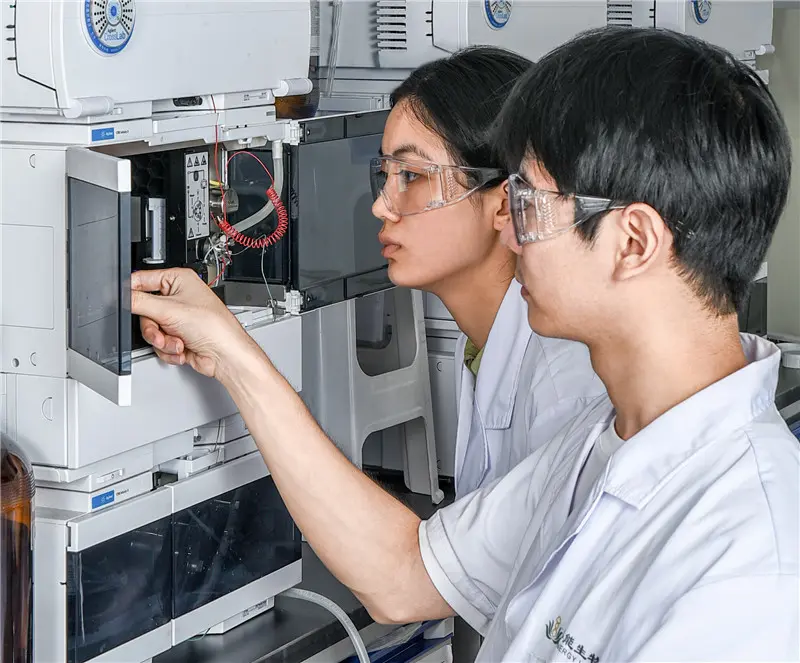
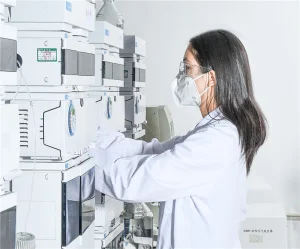
Development and validation of robust identification protocols using HPLC-DAD, GC-MS, and High-Performance Thin-Layer Chromatography (HPTLC), establishing unambiguous multi-compound chromatograms for commercial QC.
Engineering pilot parameters for supercritical CO2, subcritical solvent extraction, counter-current extraction, and macroporous resin adsorption. We optimize commercial yield while preserving thermally fragile actives.
Formulating technical grade actives into ultra-stable commercial delivery formats: Emulsifiable Concentrates (EC), Soluble Concentrates (SL), Suspension Concentrates (SC), Water Dispersible Granules (WDG), and Microencapsulated Suspensions (CS).
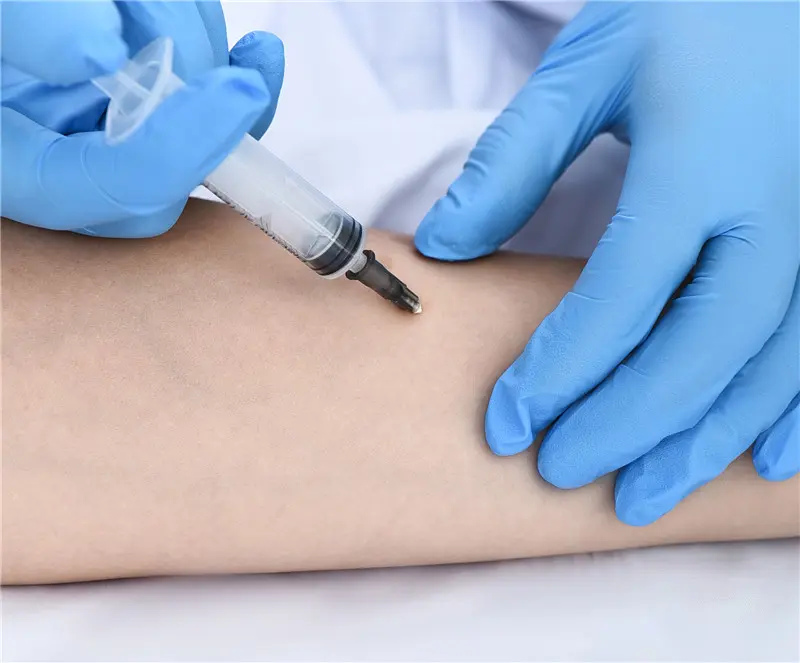
Rigorous toxicological profiling including Acute Oral LD50, Dermal LD50, Eye/Dermal Irritation, Ames Mutagenicity assays, and early-stage ecotoxicity studies on beneficial pollinators (Apis mellifera) and aquatic organisms (Daphnia magna).
High-throughput screening against plant pathogenic fungi (e.g., Botrytis cinerea, Fusarium oxysporum) and target cell-line receptor bindings to map minimum inhibitory concentrations (MIC) and EC50 values prior to expensive field trials.
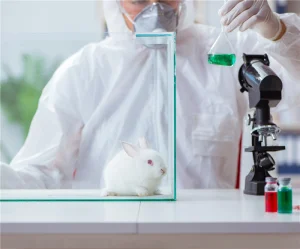
Evaluating the safety margins of complex botanicals in controlled animal models, providing concrete systemic safety documentation that satisfies the most conservative pesticide evaluation committees.
Coordinating rigorous multi-regional efficacy trials evaluating insect knockdown rates, persistence, rainfastness, and ovicidal performance under real-world greenhouse and open-field environmental stresses.
Engineering complex natural co-solvent and essential oil matrices (e.g., thymol, eugenol, camphor) that chemically soften insect cuticles or inhibit detoxification enzymes (Cytochrome P450), dramatically amplifying active potency.
Seamless technological transfer from 50L bench extractors to multi-ton stainless steel reactors. We supply active technical materials in high-purity crystalline powders, oleoresins, or concentrated liquid pastes.
Custom toll-manufacturing of finished botanical pesticide solutions, delivered ready for commercial distribution in custom-branded HDPE drums, IBC totes, or automated retail container packaging lines.
Bridging laboratory phytochemical discoveries with large-scale industrial farming operations, greenhouse protected agriculture, and regenerative soil initiatives.
High-value berry, viticulture, tea, and greenhouse crops face severe zero-tolerance chemical mandates from premium supermarket chains in the EU, North America, and Japan.
Our solutions incorporate proprietary 0.5%–1.5% Matrine SL and 1% Azadirachtin EC, which eliminate aphids, thrips, spider mites, and whiteflies while preserving global organic compliance certification.
Modern commercial agronomy does not abandon chemistry entirely; it manages it through intelligent IPM rotation strategies to preserve chemical longevity.
Our botanical active fractions function flawlessly in tank-mix combinations with conventional synthetic fungicides and insecticides, producing marked synergy that allows formulators to reduce synthetic active doses by 40% to 60% without loss of control.
Root-knot nematodes (Meloidogyne spp.) cause catastrophic yield reductions in Solanaceous and Cucurbit crops, yet traditional chemical fumigants like methyl bromide and metam sodium are severely restricted.
We deploy bioactive saponin complexes and modified alkaloid botanicals that selectively disrupt nematode juvenile cuticles and egg hatch rates, protecting rhizosphere health without killing beneficial soil bacteria.
Agrochemical compliance requires ironclad documentation. We construct end-to-end regulatory technical packages to satisfy statutory requirements worldwide.
Navigating both EPA 25(b) Minimum Risk Pesticide exemptions and formal Section 3 Conventional / Biochemical Pesticide registrations.
We supply validated compound identity, batch purity specifications, CAS verification, and full physical/chemical data guidelines compliant with EPA Series 830 standards.
The world's most demanding biopesticide framework demands clear evidence that botanicals do not constitute endocrine disruptors or persistent environmental toxins.
We support dossier submissions under Article 22 "Low-Risk Active Substances", providing OECD GLP eco-tox assays, non-target arthropod profiling, and fate-in-soil degradation assays.
Complete alignment with China's Institute for the Control of Agrochemicals, Ministry of Agriculture (ICAMA) standards for export certification.
We provide full FAO/WHO joint specification documentation, facilitating seamless registrations across Latin America (SENASA, MAPA), Southeast Asia, and Africa.
How MedGence is integrating advanced computational biology, liposomal delivery architectures, and sustainable green synthesis into next-generation agricultural biologicals.
Utilizing high-performance computational modeling and molecular docking algorithms to simulate receptor interactions between plant metabolites and targeted insect digestive/nervous systems.
This accelerates the screening of over 10,000 botanical candidates into targeted, validated hits in days rather than years, radically lowering biopesticide R&D cycles.
Developing shell-core micro-capsules utilizing natural biopolymers (chitosan, ethylcellulose, zein protein) that shield sensitive botanical actives from UV photo-oxidation.
These smart capsules release the active ingredient precisely in response to insect gut alkaline pH or enzymatic activation on the leaf surface, extending field protection by up to 300%.
Pioneering microbial biotransformation and deep eutectic solvent (DES) technologies to hydrolyze complex bound glycosides into free active aglycones during extraction.
This zero-petrochemical approach yields 20% to 35% higher active potency while lowering carbon emission footprints across our commercial manufacturing suites.
Everything international agrochemical buyers and R&D managers need to evaluate botanical biopesticide feasibility, supply reliability, and quality control.
China possesses the world's most extensive, diverse botanical cultivation infrastructure and native plant biodiversity, rooted in over two millennia of Traditional Herbal Pharmacopeia experience. Partnering with MedGence (Yineng Pharma) in Changsha, Hunan provides your enterprise direct access to traceable raw plant biomass, cutting-edge chemical extraction pilot plants, and an engineering team of 300+ researchers.
This geographic and scientific integration reduces procurement costs by 35%–55% compared to Western synthetic CDMOs, while accelerating analytical verification, sample turnarounds, and custom pilot extraction schedules.
Batch inconsistency is the primary risk when procuring plant-derived inputs. We resolve this by strictly deploying multi-dimensional quality specifications: our testing protocol includes HPTLC identity verification, high-performance liquid chromatography (HPLC) quantitative quantification of specific active fractions, and chromatographic fingerprinting to verify the entire spectrum of secondary metabolites.
Furthermore, our agronomic team monitors raw material sources across standardized regional harvest cooperatives, eliminating wild-harvest variance and standardizing moisture, active percentage, and microbial limits before raw biomass enters our extraction tanks.
Yes. When formulated correctly, modern botanical biopesticides meet or exceed synthetic benchmarks. By combining standardized high-purity actives (such as matrine, veratridine, or celastrol) with natural penetration agents (e.g., modified plant terpenes that strip pest cuticular waxes), knockdown time can be engineered within minutes.
Crucially, because botanical extracts act through multiple biochemical pathways simultaneously, pest populations do not build rapid genetic resistance, ensuring steady multi-season efficacy across crops where traditional chemicals have suffered complete efficacy failure.
Intellectual Property security is the bedrock of MedGence's business model. As an entrusted Contract Research and Manufacturing Organization, we operate under comprehensive, legally enforceable Non-Disclosure Agreements (NDAs) subject to global arbitration standards.
Your recipes, chromatographic run parameters, purification methods, and clinical/field performance data are segregated within dedicated project management servers. We do not manufacture competing proprietary house brands; our manufacturing capacity exists exclusively to empower your market leadership.
We supply materials across every tier of the product development lifecycle: raw botanical screening concentrates, crude extract cakes, vacuum-dried technical grade powders (95%+ purity), liquid oleoresins, and aromatic steam-distilled volatile fractions.
For formulators seeking turnkey private-label solutions, we manufacture finished commercial formats including Emulsifiable Concentrates (EC), Water-Soluble Concentrates (SL), Microemulsions (ME), and specialized Microencapsulated Suspensions (CS) in packaging sizes from 250ml retail bottles up to 1,000L IBC bulk containers.
We provide full-spectrum registration support, including 5-batch CIPAC validation studies, Certificate of Analysis (CoA), active impurity profiles down to 0.1%, physical and chemical characteristics (flash point, storage stability, foaming persistence, particle size distributions), and GLP-standard mammalian acute toxicology screening packages (LD50 oral/dermal, irritation, sensitisation).
Explore our full suite of contract research and manufacturing capabilities for international botanical pesticide formulators, distributors, and agrochemical brands.