Integrate certified botanical research, analytical validation, and commercialization capabilities designed for international dietary supplement and phytopharmaceutical brands.

A comprehensive examination of clinical shifts, pharmacological mechanisms, regulatory compliance, and cross-border commercial demand.
The global surge in Type 2 Diabetes Mellitus (T2DM) and pre-diabetic metabolic syndrome has created intense demand for synergistic botanical formulations. While single-target pharmaceutical therapies often encounter plateaued responses and secondary side effects, standardized herbal compounds simultaneously regulate AMPK activation, improve peripheral insulin sensitivity, modulate glucose transporter type 4 (GLUT4) translocation, and inhibit intestinal α-glucosidase.
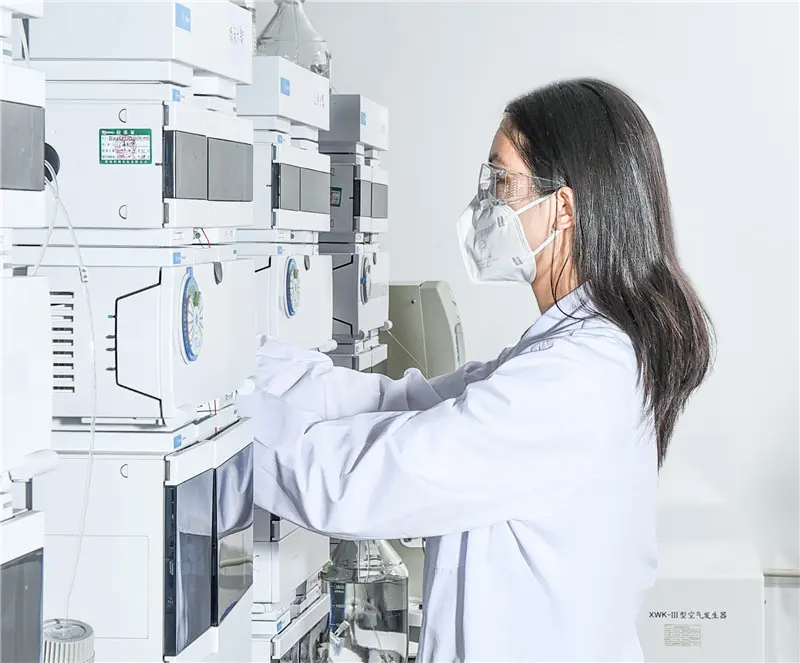
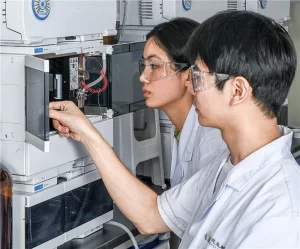
Modern nutraceutical importers and phytopharmaceutical sponsors face strict regulatory frameworks under the US FDA (DSHEA/cGMP 21 CFR Part 111), EFSA, and TGA. Raw herbal compounds are no longer sufficient; global buyers require chromatographic fingerprinting (HPLC, HPTLC, GC-MS), defined trace alkaloid and saponin assays, verified non-genotoxicity dossiers, and undetectable limits for heavy metals, pesticides, and residual solvents.
Extracting heat-sensitive phytochemicals such as berberine, corosolic acid, charantin, and astragalosides without molecular degradation requires specialized industrial engineering. Leading botanical formulators must overcome low oral bioavailability through advanced solid dispersion, micronization, natural lipid-based carrier encapsulation, and enteric-coated oral delivery architectures.
Combining millennia of codified pharmacological treatises with cutting-edge extraction technologies and unparalleled raw-material integration.
China holds over 80% of the world’s wild-harvested and strictly cultivated medicinal plant supply chains. Through GAP (Good Agricultural Practices) cooperative bases across Hunan, Sichuan, Yunnan, and Guizhou, herbs like Astragalus membranaceus, Coptis chinensis, and Morus alba are tracked from soil geochemistry to seasonal harvest windows, ensuring peak target marker concentrations before primary processing.
Modernized Chinese manufacturing infrastructure features continuous multi-stage counter-current extraction, membrane separation, dynamic macroporous resin adsorption, and low-temperature vacuum freeze-drying. These multi-ton processing complexes deliver unmatched batch-to-batch chemical homogeneity with significant production yield economics compared to Western pilot lines.
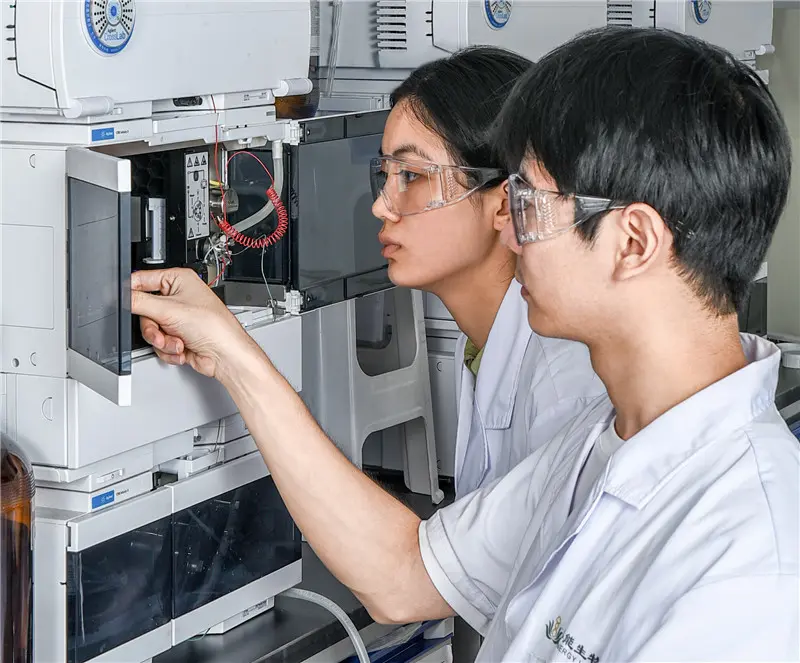
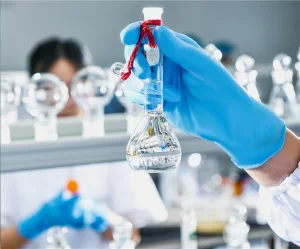
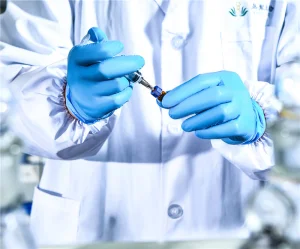
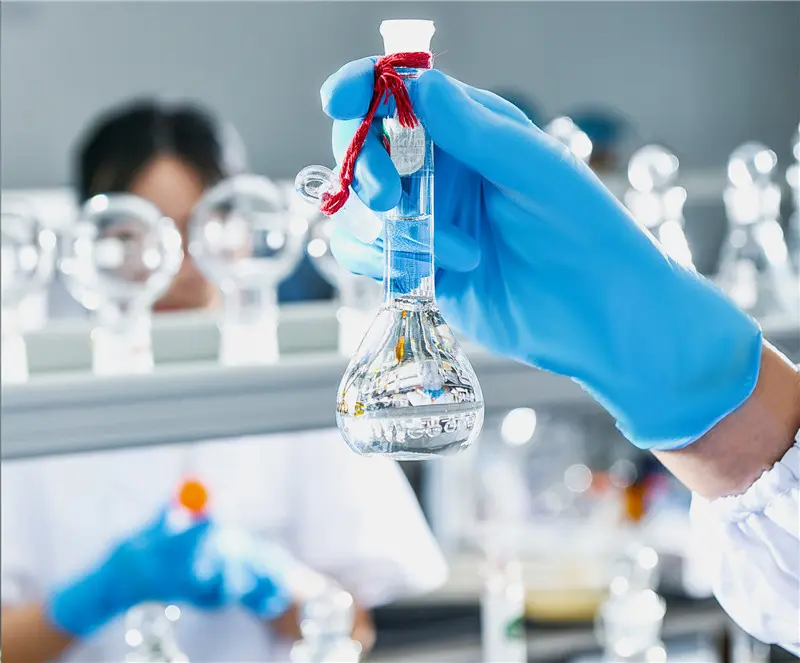
MedGence (Yineng Pharma) bridges upstream molecular screening with downstream commercial production. Supported by over 300+ research scientists, we execute chromatographic profiling, cell model validation, in vivo toxicity (LD50), and human clinical trials within a single audited quality management system, drastically reducing international client lead times.
Fourteen years of proprietary research delivering defensible chemical profiles, regulatory approvals, and trusted enterprise supply.
Custom formulation architectures aligned with regional health authorities and modern consumer consumption habits.
Engineered for functional health and pharmacy brands in North America and Western Europe. High-density, microencapsulated powders standardized to active polyphenols, berberine alkaloids, and gymnemic acids, packaged into two-piece vegetarian capsules, enteric tablets, or sustained-release softgels with verified stability profiles over 36 months.
Addressing the fast-growing Asian and Latin American markets for ready-to-mix dietary sachet powders, meal replacements, and functional teas. Our proprietary bitterness-masking and instant cold-water solubilization technologies allow antidiabetic botanical actives to integrate seamlessly without altering consumer palatability.
Collaborating with biopharma developers requiring full Investigational New Drug (IND) and Botanical Drug Development documentation. We provide verified chemical consistency across multi-ton harvests, GLP toxicity packages (Ames, Micronucleus, LD50, 90-day subchronic), and human Phase I–IV clinical study execution.
In-depth responses covering technical specifications, QA testing, supply security, and intellectual property frameworks.
Directly access research capabilities, potency assessments, analytical development, and scalable contract manufacturing.