Explore our core preclinical, phytochemical screening, and clinical development capabilities formulated to bridge high-throughput discovery with international regulatory submission.






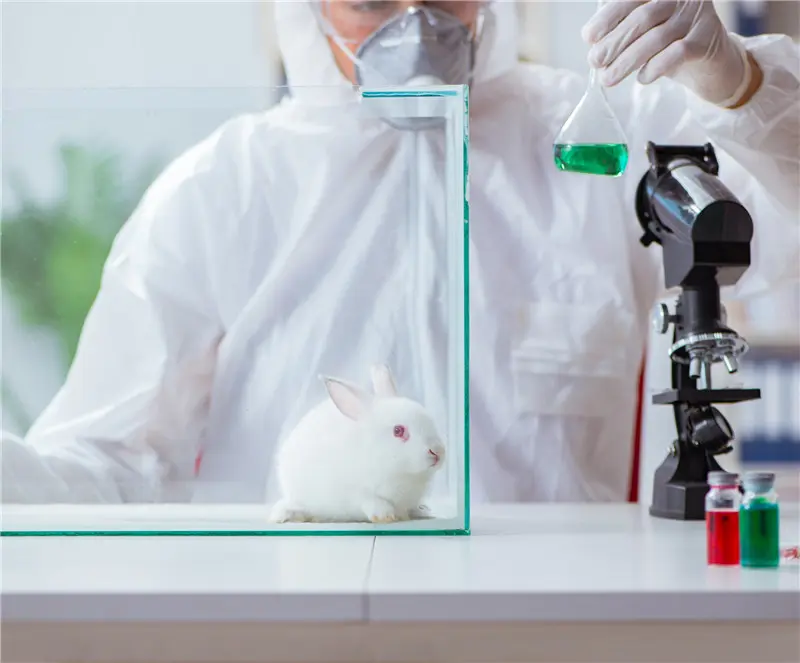

Preclinical in vivo evaluation serves as the definitive gatekeeper between early in vitro discoveries and regulatory clearances across the US FDA, EMA, NMPA, and PMDA.
While cellular screening and computational models provide preliminary insights, whole-organism complexity—encompassing hepatic first-pass metabolism, endocrine feedback loops, and systemic neurovascular interactions—demands living physiology. Validated rodent and non-rodent cohorts establish the necessary safety-to-efficacy index.
Global pharmaceutical developers in the US and Europe face rising operational expenditure, backlogged non-rodent model availability, and vivarium staffing constraints. Contract research demands exceed capacity, delaying IND-enabling studies by an average of 6 to 9 months.
Natural drug complexes and botanical active fractions present non-linear pharmacodynamics. Unlike single chemical entities, multi-constituent extracts require multi-target animal models to evaluate synergy, metabolomic clearance, and potential herb-drug interactions.
China has emerged as a global hub for preclinical contract research, combining cutting-edge high-barrier vivariums, rapid study mobilization, and rigorous compliance aligned with international pharmacopeias.
Streamlined protocol reviews and vertically integrated SPF (Specific Pathogen Free) breeding colonies reduce initiation lead times from months to 10–14 calendar days.
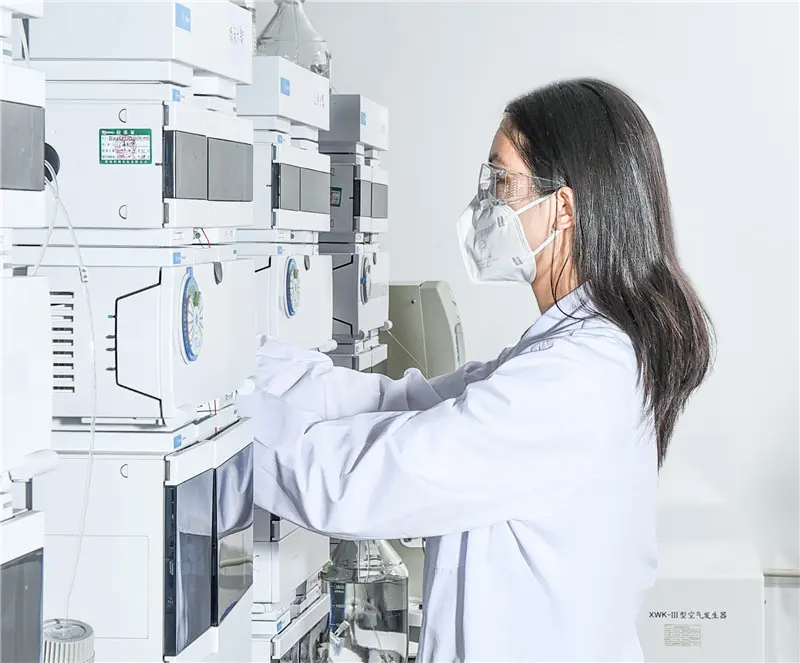
In-house HPTLC, HPLC, LC-MS/MS, and high-throughput histopathology laboratories operate alongside vivarium barriers, eliminating cold-chain degradation during bioanalysis.
Sponsors achieve a 40% to 60% total expenditure reduction across large-cohort rodent studies, enabling broader dosing tiers and deeper longitudinal tracking.
Strict IP firewalls, dedicated server encryption, and customized blind-coding frameworks guarantee the complete protection of proprietary formulations and process parameters.
Over 14+ years of specialized contract research and development directly backing leading international drug manufacturers, research universities, and clinical TCM hospitals.
Our standard operating procedures align with OECD Guidelines for the Testing of Chemicals, US FDA 21 CFR Part 58, and ICH S-series safety guidance documents.
| Evaluation Category | Test System / Animal Model | Reference Guidelines | Primary Clinical & Analytical Endpoints | Key Applications |
|---|---|---|---|---|
| Acute Toxicity (LD50) | SPF Sprague-Dawley Rats / ICR Mice | OECD 420, 423, 425 | Mortality curve, median lethal dose, behavioral signs, gross necropsy | Botanical extracts, novel chemicals, high-dose nutraceuticals |
| Repeated-Dose Toxicity | Rats (28-day / 90-day / 180-day) | OECD 407, 408, ICH S4 | Hematology, clinical serum biochemistry, organ weight indices, histopathology | Dietary supplements, IND-enabling safety, functional ingredients |
| In Vivo Genotoxicity | Mammalian Erythrocyte Micronucleus | OECD 474, 475 | PCE/NCE ratios, micronucleated polychromatic erythrocyte frequencies | Pharmaceutical registration, global cosmetic safety files |
| Metabolic Disease Efficacy | HFD-induced Obese / STZ Diabetic Mice | Customized Target Disease Protocols | OGTT, insulin resistance index, HbA1c, hepatic lipid profile, adiponectin | Natural antidiabetic formulations, weight-management actives |
| Gastrointestinal & Colitis | DSS-induced / TNBS-induced Murine Colitis | Validated Disease Inductions | Disease Activity Index (DAI), colon length, inflammatory cytokines (TNF-α, IL-6) | Microbiome therapeutics, gut barrier mucosal repair compounds |
| Neurobehavioral Phenotyping | APP/PS1 Transgenic, Scopolamine Amnesia | Morris Water Maze, Open Field | Spatial acquisition latency, hippocampal neurogenesis, acetylcholine levels | Nootropics, cognitive enhancers, neurodegenerative botanicals |
From botanical raw material validation to final drug product licensure, our integrated in vivo testing matrix serves four distinct industrial verticals.
Modernization of classic herbal prescriptions through systematic component screening, bioequivalence evaluation, and IND-enabling non-clinical dossiers supporting Phase I–IV progression.
Scientific substantiation of structure-function claims (immune enhancement, hepatoprotection, endurance enhancement) satisfying US FDA NDIN and EFSA scientific opinions.
Alternative-to-animal and targeted in vivo dermal irritation, transdermal permeation kinetics, photo-aging mitigation, and anti-inflammatory cutaneous repair verification.
Rapid clinical conversion for clinical hospital-formulated compounds, securing local medical products administration approvals backed by verified non-clinical toxicology.
The convergence of non-animal alternatives (NAMs), digital telemetry, and multi-omics profiling is transforming preclinical CRO benchmarks worldwide.
Rather than outright elimination, modern discovery utilizes high-throughput organ-on-chip microfluidics for preliminary ADME filtration, reserving targeted animal studies for systemic confirmatory milestones. This hybrid workflow drastically reduces animal use while improving predictive accuracy.
Integration of computer vision and non-invasive sensor tags allows 24/7 continuous behavioral tracking in home-cage environments. Subtle neurological or cardiovascular deviations are automatically flagged without causing handling stress to the animals.
Preclinical evaluation now routinely extends beyond traditional pathology to 16S rRNA gut microbial sequencing and serum metabolomics, illuminating how botanical polyphenols and polysaccharides modulate the host metabolic axis in vivo.
A standardized 5-step vendor qualification framework for multinational sourcing directors, procurement managers, and preclinical department heads.
Ensure the facility operates under AAALAC International accreditation and possesses provincial Laboratory Animal Use Permits. Review air-exchange frequencies (15–20 ACH), positive/negative pressure cascades, and microbiological monitoring sheets.
Verify compliant LIMS (Laboratory Information Management System) architecture. Ensure all analytical devices (LC-MS, automated hematology analyzers) adhere to US FDA 21 CFR Part 11 requirements for audit trails, automated archiving, and unalterable electronic signatures.
Confirm the vendor offers on-site chemical extraction, characterization, and batch-release testing. Disjointed hand-offs between third-party ingredient processors and testing vivariums introduce chemical degradation and stability ambiguities.
Our translational animal study and CDMO manufacturing programs power development pipelines for industry leaders across Asia and international markets.





Essential regulatory, technical, and logistical insights for procurement specialists and lead toxicologists evaluating an animal study supplier in China.
Integrate full preclinical and finished product contract manufacturing solutions directly into your global supply chain with certified batch reproducibility.

Consult with our lead pharmacologists and toxicologists to establish protocol scope, statistical power requirements, and regulatory milestones for your next experimental cohort.
