Explore validated method transfer and bioanalytical workflows engineered for botanical matrix extraction, regulatory compliance, and multi-component profiling.
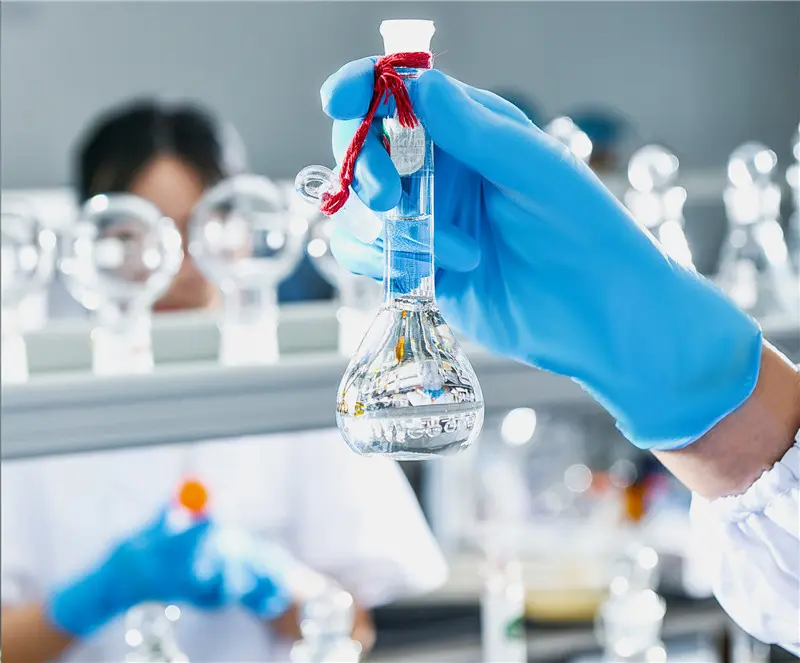
Phytochemical and botanical matrices present distinct challenges: isomerism, trace active constituents, matrix-induced spectral overlapping, and natural batch-to-batch variation. Standard analytical manufacturers in China must resolve structural disambiguation through precision chromatographic instrumentation.
Multi-wavelength HPLC-DAD, UPLC-QTOF-MS/MS, and GC-MS fingerprints providing chemical profiles that benchmark variations across plant geography, seasonal harvests, and processing techniques.
Stringent assessment across Specificity, Linearity, Range, Precision (Repeatability and Intermediate Precision), Detection Limit (LOD), Quantitation Limit (LOQ), and Robustness against column aging.
Analytical quantification of process-induced degradation, residual solvents (USP <467>), heavy metals (ICP-MS), pesticide multi-residues (GC-MS/MS, LC-MS/MS), and fungal mycotoxins.
Combining primary origin-tracing botanical supplies with high-throughput laboratory infrastructure significantly shortens the feedback loop between isolation, testing, and production scale-up.
China represents over 11,000 recognized medicinal plant species. Operating at direct geographic coordinates minimizes sample oxidation, authenticates genuine geo-authentic herbs (Daodi), and stabilizes standard extracts at commercial scale.
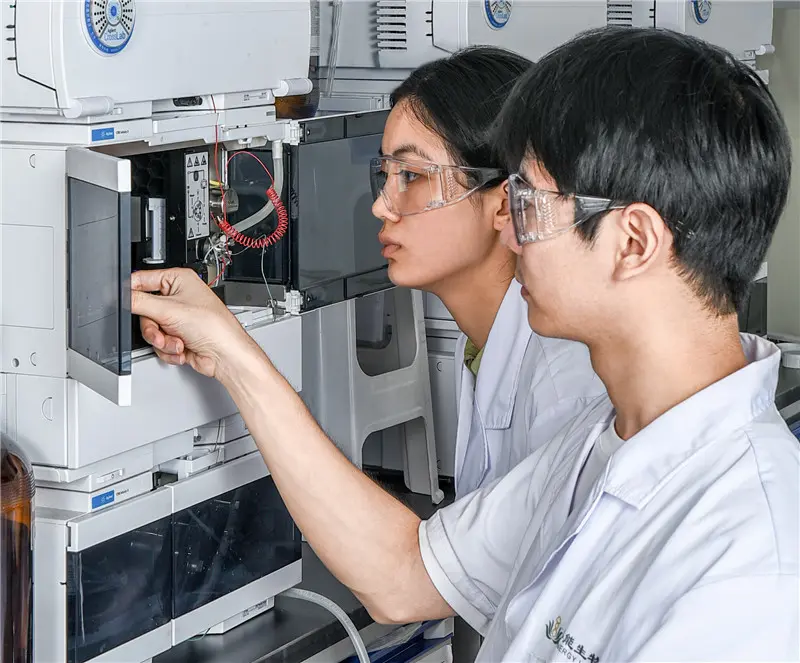
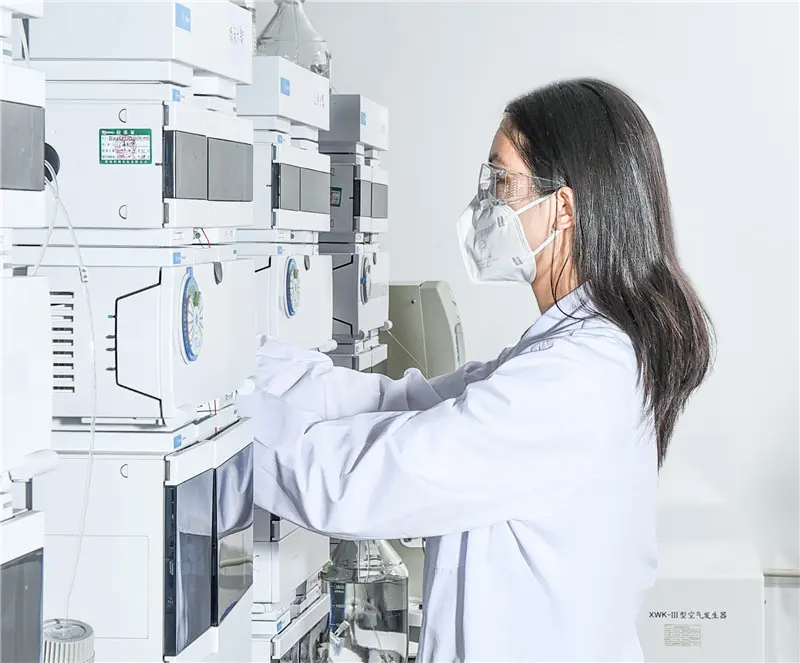
Equipped with Agilent, Waters, and Shimadzu systems, internal laboratories complete chromatographic screening, mobile phase optimization, and stationary phase screening within 10–14 operational days.
Validated analytical methods seamlessly transition from small analytical development labs into 500L–5000L extraction reactors, avoiding batch failures caused by split-vendor misunderstandings.
Quantifiable infrastructure supporting institutional partners, pharmaceutical enterprises, and global healthcare formulators.
Cross-border supply chains require analytical evidence structured to satisfy rigorous pharmaceutical, nutraceutical, and cosmetic regulatory filings.
Full 21 CFR Part 111 cGMP validation packages, USP <561> articles on botanical extracts, dietary supplement safety notifications, and chromatographic assay transfer to support structure/function claims.
Herbal Medicinal Products Committee (HMPC) documentation, Ph. Eur. monograph compliance, analytical separation of pyrrolizidine alkaloids, PA/mineral oil hydrocarbon (MOSH/MOAH) monitoring.
TCM hospital preparation filings, NMPA Class 1/2 botanical drug IND/NDA modules, Australian TGA Listed Medicine raw standard verification, and PMDA Kampo standard equivalence test packages.
The botanical testing landscape is rapidly moving past simple single-marker assays toward high-dimensional multi-component tracking.
In-silico target prediction identifies active botanical ligands before physical extraction begins, shortening exploratory analytical cycles and targeting chromatographic method creation precisely at high-affinity compounds.
Quadrupole Time-of-Flight (Q-TOF) mass spectrometry combined with automated spectral libraries makes it possible to uncover subtle adulterants, identify unknown degradation pathways, and verify sample authenticity in minutes.
Supercritical Fluid Chromatography (SFC) using recycled CO2 replaces conventional organic solvents in both analytical testing and pilot-scale separation, lowering environmental impact without sacrificing column resolution.
Technical guidance for chief scientific officers, procurement teams, and regulatory affairs directors.
Connect with our technical team to establish validated methodologies, screen bioactives, and advance clinical-grade formulations.