Explore our validated analytical pipelines, toxicity assays, and OEM manufacturing services compliant with international regulatory dossiers.
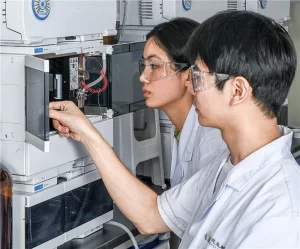
ODM Study and evaluation of the potency of the botanical active ingredient(s) from different seasons and different origins. Manufacturer, Suppliers
View Details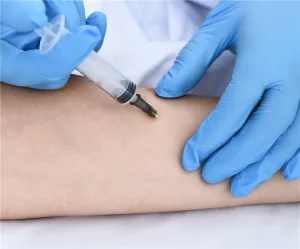
ODM Clinic study (Phase1 - Phase 4) Manufacturer, Suppliers
View Details
OEM Animal study Supplier, Suppliers
View Details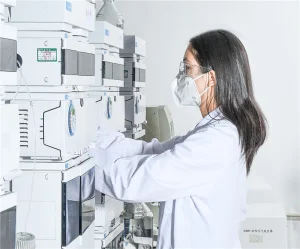
China Establishment of analysis methods of active ingredient(s) Supplier, Suppliers
View Details
China Screening of the active ingredient(s) of plants Manufacturer, Manufacturers
View Details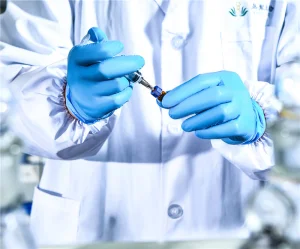
OEM In Vitro Test /Research Service Manufacturers, Suppliers
View Details
China Acute Toxicity LD50 Study & Preclinical Safety Assessment Manufacturer, Suppliers
View Details
Natural Formulation Research & Commercial CDMO Processing Supplier, Suppliers
View DetailsProviding definitive Median Lethal Dose toxicological data under GLP compliance, transforming raw pharmacological potency into internationally accepted risk-classification profiles.
We deploy modern Acute Toxic Class (OECD 423) and Up-and-Down (OECD 425) methodologies, drastically reducing experimental animal usage while deriving precise statistical confidence intervals for GHS hazard tier classifications.
Our toxicological investigations go beyond basic survival curves. Full necropsy, gross organ inspection, and microscopic histopathological examination evaluate reversible vs. irreversible damage to hepatorenal systems.
Correlating high-dose acute exposure with peak serum concentration (Cmax) and area under the curve (AUC), establishing clinical margins of safety essential for Investigational New Drug (IND) applications.
How China's centralized biomedical clusters, high-purity isolation facilities, and cost efficiencies accelerate global R&D pipelines.
Unlike isolated testing labs, Chinese suppliers like MedGence integrate compound screening, analytical standardization (HPLC/HPTLC/GC), LD50 profiling, and pilot manufacturing within one closed-loop facility.
Leveraging state-of-the-art animal research vivariums and established in-house colony protocols, study initiation times are reduced from months to under 10 business days, expediting commercial go-to-market decisions.
Global sponsors benefit from a 40–60% reduction in toxicology budget expenditure compared to Western equivalents, without compromising GLP standards, regulatory scrutiny, or analytical precision.
How the 3Rs principle, AI computational predictive modeling, and phytomedicine fingerprinting are transforming modern toxicology.
Global adoption of the Replacement, Reduction, and Refinement framework. Traditional classical LD50 is replaced by modern sequential step protocols, minimizing animal subject stress while maximizing data granularity.
Machine learning platforms pre-screen chemical structure matrices to predict reactive metabolites, genotoxic substructures, and preliminary lethal dose windows prior to wet-lab biological intervention.
Botanical matrices contain complex multi-component synergies. Coupling acute toxicity outcomes with HPLC-MS and GC-MS fingerprint standardizations ensures batch-specific toxicity is traceably attributed to concrete chemical profiles.
Harmonization under the OECD Mutual Acceptance of Data (MAD) framework enables toxicity studies performed in Chinese accredited laboratories to be directly utilized across North American, European, and Asian drug dossiers.
From novel dietary compounds to agrochemical registrations, our LD50 toxicological protocols deliver concrete safety boundaries.
| Target Sector | Primary Study Scope | Typical Test Route | Key Regulatory Objective |
|---|---|---|---|
| Botanical Drugs (IND / NDA) | Acute oral systemic toxicity, target organ determination, MTD determination | Oral Gavage (PO), Intraperitoneal (IP) | Establish starting human clinical dose, Phase I safety dossier support |
| Dietary Supplements / NDI | Acute tolerance, GHS hazard category classification, acute toxicity index | Oral (PO in single limit dose 2000-5000 mg/kg) | Substantiate GRAS notices, EFSA Novel Food authorization, safety dossiers |
| Functional Cosmetics & Topical | Acute dermal toxicity (LD50), dermal irritation/corrosion, phototoxicity | Dermal Topical Application | Cosmetic Ingredient Safety Assessment (INCI registration, EU Annex compliance) |
| Specialty Fine Chemicals & APIs | Systemic acute toxicity classification, SDS hazard statements | Oral, Dermal, Inhalation | Global REACH registration, transport classification, workplace exposure limits |
Evaluating research integrity, intellectual property protection, and operational continuity when choosing an outsourced toxicology CRO.
Global pharmaceutical sponsors require ironclad confidentiality frameworks. We conduct research under strict NDA boundaries, guaranteeing that active compound formulas, extraction processes, and proprietary data remain non-disclosed intellectual property.
Data integrity is paramount for international submission. Our testing facilities maintain digitized audit trails, automated environmental vivarium logs, and GLP-validated analytical reporting capable of withstanding strict regulatory reviews.
Once safety and LD50 profiles are validated, transitioning to commercial batch manufacturing often causes delays. MedGence's pilot plant and managed industrial facilities seamlessly transition formulations to bulk CDMO delivery.
In-depth responses regarding acute toxicity protocols, test timelines, sample requirements, and global regulatory submissions.
Advance your project seamlessly from validated acute toxicity data into full-scale CDMO dosage formulation and supply.
ODM Study and evaluation of the potency of the botanical active ingredient(s) from different seasons and different origins. Manufacturer, Suppliers
View Details
ODM Clinic study (Phase1 - Phase 4) Manufacturer, Suppliers
View Details
OEM Animal study Supplier, Suppliers
View Details
China Establishment of analysis methods of active ingredient(s) Supplier, Suppliers
View Details
China Screening of the active ingredient(s) of plants Manufacturer, Manufacturers
View Details
OEM In Vitro Test /Research Service Manufacturers, Suppliers
View Details
Contract Manufacturing (OEM) for Botanical Active Ingredients Manufacturer, Suppliers
View Details
Contract Manufacturing (OEM/CDMO) for Finished Products Supplier, Suppliers
View Details